Can Condo and Townhouse Owners Get Solar Panels? Here's
Solar panels for condo and townhouse owners are possible in CT, MA and RI. See how HOA approval, shared roofs and community solar work, and what to ask first.
Dan Katzman
Teamsun
Yes, in many cases. Solar panels for condo and townhouse owners are possible in Connecticut, Massachusetts and Rhode Island when you own your roof section and your HOA approves, when the association installs one building-wide system, or when you subscribe to community solar instead. Who legally owns the roof, and what your governing documents say, decides which path applies to you.
Key Takeaways
- Roof ownership decides everything: Townhouse owners often own their roof section. Condo owners usually do not, because the roof is typically a common element run by the association.
- HOA approval is a process, not a wall: Expect a written request, an architectural or board review, and a vote. Bring a layout, equipment specs, a licensed installer and proof of insurance.
- Connecticut changed its law on January 1, 2026: Public Act 25-73 protects rooftop solar on single-family detached units in common interest communities. Attached townhouses and most condos are not covered the same way.
- Community solar is the fallback: If the roof is shared, shaded or too old, a subscription can offset your bill with no panels on your building.
- The federal homeowner credit has ended for 2026 purchases: Plan your numbers around state programs, net metering and financing, not a 30% tax credit.
Solar for Condo and Townhouse Owners at a Glance
| Your situation | Who controls the roof | Most realistic solar path | First thing to do |
|---|---|---|---|
| Detached unit in an HOA community | You, subject to HOA rules | Individual rooftop system | Submit an HOA application; in Connecticut, check the 2026 solar law |
| Attached townhouse, you own your roof section | You, but the shared roofline and party walls matter | Individual rooftop system with HOA approval | Read the declaration for exterior-change and roof clauses |
| Attached townhouse, association maintains the roof | Association | Association-approved system or community solar | Ask the board who owns and replaces the roof |
| Condo unit under a shared roof | Association (common element) | Building-wide system or community solar | Ask for the bylaws and the roof replacement schedule |
| Roof is old, shaded or north-facing | Varies | Community solar | Check which subscriptions are open in your utility territory |
| Top-floor unit with a private balcony only | Association | Community solar; a balcony kit only with written permission | Get the association's rules on balcony and exterior changes in writing |
Why Do Condo and Townhouse Owners Think Solar Is Blocked?
Most assume it is blocked because they do not control their roof, and an HOA can restrict exterior changes. Both are real hurdles, but neither is a ban. Many shared-roof properties can still go solar through HOA approval, an association-owned system, or community solar.
The assumption has a basis. Single-family homeowners decide on their own roof. Condo and townhouse owners live under a declaration, bylaws and an architectural review process that can slow or stop exterior changes. A shared roofline also means one unit's work can affect a neighbor's roof warranty or leak risk.
The myth is that this makes solar impossible. Here is what we see in practice: the answer is rarely a flat no. It is usually "not on your own, not yet, and not without paperwork." Owners who ask the right questions in the right order often find a workable route.
Condo versus townhouse: the real difference
A townhouse is often sold with the land and roof section under it. You may own the roof outright, even if the HOA controls its appearance. A condo unit usually means you own the inside of your unit, while the building envelope, including the roof, is a common element owned jointly by all unit owners.
Those labels are not universal. Some townhouse communities are legally condominiums, and some condo buildings assign limited rights over a roof area to one unit. Your recorded documents settle it, not the marketing name.
Who Owns the Roof, and Why Does It Matter?
The roof's legal owner decides who can approve panels, who pays for them, who is liable for leaks and who benefits from the power. If you own it, you apply to the HOA. If the association owns it, the board must approve and usually must act as the project owner.
The Massachusetts Department of Energy Resources publishes a solar guide for condominiums that makes the same point: if the association lacks a suitable roof, or a project champion cannot get the needed approvals, community shared solar is the next option to consider.
Where to find the answer in your documents
- Deed and unit description: Does it include the roof above your unit, or only the interior space?
- Declaration or master deed: Look for "common elements," "limited common elements" and "exterior alterations."
- Bylaws and rules: Find who maintains and replaces the roof, and whether owners may modify it.
- Insurance summary: Ask what the master policy covers on the roof and what an owner's policy must add.
Pass mark: you can point to a sentence that says the roof above your unit is yours (or yours to use exclusively). Walk-away signal: the roof is a common element and nothing grants you exclusive use. In that case, an individual install is off the table until the association agrees to host it.
The roof's age matters as much as who owns it
A roof that needs replacing soon is a problem for any solar plan. Panels last decades, so the shingles beneath them should too. In a condo, the association decides when the roof is replaced, so your solar timing is tied to their capital plan.
Ask for the roof's installation year and the reserve study. If replacement is due within a few years, ask the board whether panels can go on as part of that project. Our guide on adding solar without replacing the whole roof explains how to judge roof condition before you commit.
How Does HOA Approval Typically Work?
You submit a written application to the board or architectural committee, with a site plan, equipment details and installer credentials. The committee reviews it against the community's rules, and the board approves, requests changes or denies. Timelines and standards vary by community, so check your own documents.

We cannot tell you your HOA's rules, because they are written community by community. What we can describe is the shape of the process and the packet that gets applications approved.
What to bring to the board
- A roof layout: Panel positions drawn on your roof section, showing setbacks from edges and shared walls.
- Equipment specs: Panel, inverter and racking models, including frame color. Low-profile, all-black panels address most appearance concerns. See our piece on solar panels that match your roof color.
- Installer credentials: Contractor licensing and proof of liability and workers' compensation coverage.
- Roof penetration and waterproofing details: How mounts are flashed and who repairs a leak if one appears.
- A maintenance and removal plan: Who pays to remove and reinstall panels if the roof is replaced.
Questions to ask the board
- Does the declaration allow owner-installed solar, and under what conditions?
- Who owns and maintains the roof section I would use?
- Is there a published standard for panel color, placement and visibility from the street?
- Will the association require insurance, an indemnity agreement or a recorded easement?
- What is the review timeline, and when does the board meet?
- Is the roof scheduled for replacement within the next ten years?
A good answer is a written policy or a clear process with a named contact. A worrying answer is "we have never done this" with no timeline. That does not end the project, but ask for a decision date in writing.
What does Connecticut's 2026 solar law change?
Under a Connecticut law that took effect January 1, 2026, condo complexes can no longer enforce bylaw provisions that prohibit or unreasonably restrict owners of single-family detached units from putting solar panels on their roofs. It also creates an approval process for condo unit owners. Attached units are treated differently.
Public Act 25-73 followed years of legislative debate. The Connecticut General Assembly's 2024 committee report on the condominium solar bill shows lawmakers weighing owners who want rooftop solar against neighbors and the associations that govern shared property. The final law is narrower than many owners assume, so read the current statute text or ask an attorney before relying on it for an attached unit.
Massachusetts and Rhode Island owners should not assume a similar protection applies to them. We are not stating either state's HOA solar rules here; confirm with your association's attorney or your state energy office.
What if the HOA says no?
First, ask for the denial in writing, with the specific provision it relies on. Then check whether the objection can be solved: a different panel color, a less visible roof slope, a smaller array, or an indemnity for roof leaks. Many denials come from missing information, not firm opposition.
If the board will not move, you have two honest options. Consult an attorney about whether the denial is lawful under your state's rules and your documents, or switch to community solar, which needs no exterior approval at all.
What Are the Solar Options for Shared-Roof Properties?
There are four: an individual rooftop system on a roof you own, an association-owned system covering common electricity or all units, a community solar subscription, and a shared ground mount or carport on common land. The right one depends on roof control, sun exposure and your board's appetite.
| Option | Panels on your building? | Needs HOA approval? | Best for | Main catch |
|---|---|---|---|---|
| Individual rooftop system | Yes, on your roof section | Usually yes | Townhouse or detached-unit owners who own their roof | Shared roofline, leak liability and appearance rules |
| Association-owned system | Yes, on the common roof | Board and often owner vote | Condo buildings with a good roof and common electric meter | Needs a champion and a capital or financing plan |
| Community solar subscription | No | No | Shaded, old-roof or no-roof-access owners | Availability depends on your utility and state program |
| Shared ground mount or carport | No, on common land | Yes | Communities with open land or large parking areas | Zoning, permitting and cost-sharing complexity |
Individual rooftop systems
This is the classic path and the best economics when it works, because you control production, financing and your own utility interconnection. It fits townhouse and detached-unit owners who own their roof. Check the shade picture first: shared rooflines often sit close to taller neighbors or trees.
Partial shade is manageable with good layout and module-level electronics, as we explain in our guide to solar panels for homes with trees and shade.
Association-owned systems
In a condo building, the association can install a system on the common roof. Depending on the design, the power can serve common-area meters such as hallways, lighting and pumps, or be allocated to unit owners. The structure affects tax treatment and utility rules, so get an engineer and an attorney involved early.
This path needs someone willing to run the project for years of meetings. We cannot promise your board will take it on. We can say that one well-prepared proposal, with a roof assessment and a clear financing plan, gives a board something concrete to vote on.
Financing and incentives for shared-roof owners
The federal 30% residential credit ended for expenditures made after December 31, 2025, so homeowners who buy a system in 2026 generally do not receive it. Companies that own leased or PPA systems may still claim a separate business credit, subject to deadlines and rules. Confirm current terms with a tax professional.
Your numbers now rest on state programs, net metering and your electric rate. In Massachusetts, the SMART program pays solar owners per kilowatt-hour produced; our guide to how solar owners get paid under SMART 3.0 covers it. For Connecticut financing, the CT Green Bank offers programs to home, building and multifamily owners, so start with its current menu.
Community Solar When a Rooftop Install Is Not Feasible
Community solar lets you buy a share of a nearby solar project and receive credits or savings on your electric bill, with no panels on your roof. Massachusetts describes it as an option for renters, condo owners and homes without suitable roof space or sun exposure.
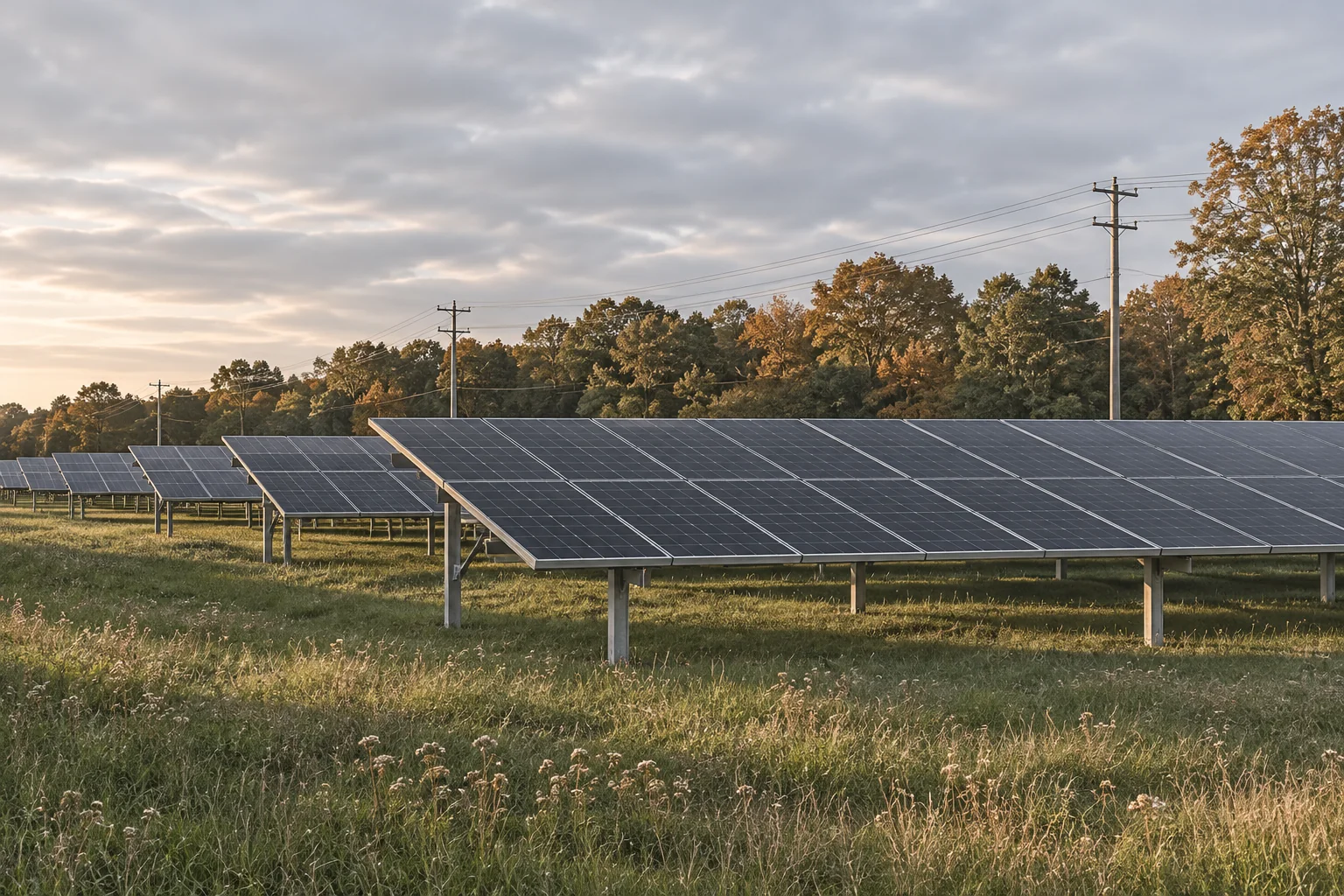
The Commonwealth's Community Shared Solar page states that community solar allows those who cannot install solar on their property to access solar energy, and calls it ideal for renters, condo owners and homes without roof space or sun exposure. The state's FAQ for Massachusetts solar customers adds that these customers can include people whose roofs or property cannot host a system.
How a community solar subscription works
- A developer builds a solar project on a rooftop, field or parking structure in your utility territory.
- You subscribe to a share of its output.
- The project's production earns bill credits or a discount tied to your account.
- You pay the developer for your share, ideally keeping some net savings each month.
What to check before you subscribe
- Who the subscription is with: Confirm the developer's legal name and track record.
- Savings structure: Pass mark is a stated discount or credit rate in writing. Walk away from vague "up to" savings.
- Contract term and exit: Look for cancellation terms, move-out rights and any fee.
- Escalators: Ask whether your price rises each year.
- Project status: Confirm the project is built or has a documented interconnection date.
Availability changes by state and utility. We are not listing open projects here. For Massachusetts, begin with the state's community solar pages above. For Connecticut and Rhode Island, ask your utility and your state energy office what programs are currently open to your address.
The honest limit: community solar saves you money on the bill, but it does not give you backup power, ownership of equipment or a boost to a home's resale story the way owned panels can. If outages worry you, an owned system with a battery remains the stronger route, and that requires a roof you can use.
Step-by-Step: What to Do Before You Call an Installer
Do five things in order: confirm roof ownership, collect your governing documents, check your sun and shade, ask the board about solar policy, and screen installers. This takes a few weeks of mostly reading and emailing, and it prevents wasted site visits.
- Confirm who owns your roof. Use the deed, declaration and bylaws. Pass mark: written exclusive rights to the roof section. Fail: common element with no exclusive use, so move to the association or community solar options.
- Request the HOA documents. Ask for the declaration, bylaws, rules and any architectural guidelines. Check for solar, exterior alteration and roof maintenance sections.
- Check roof age and sun. A roof within a few years of replacement should be replaced first or coordinated with the solar install. Satellite imagery gives a rough picture; a site visit confirms it.
- Ask the board about solar. Use the question list above. Get answers in writing and a decision timeline.
- Screen installers. Verify the contractor's license and ask who actually does the install. In Connecticut, the Department of Consumer Protection's solar panel buyer's guide tells buyers they can verify electrician, home improvement contractor and engineer licenses, and its license lookup instructions walk through the search.
For the proposal itself, compare any contractor's written terms against the industry's own standard of conduct. The Solar Energy Industries Association publishes a Solar Business Code to promote transparency and good faith in the U.S. solar industry, which is a useful yardstick for what to expect in a sales process.
Which Path Should You Choose?
Choose an individual rooftop system if you own your roof section and the HOA approves. Choose an association-owned system if you live in a condo with a decent common roof. Choose community solar if the roof is shared, shaded, old or the board says no.
Here is how we would decide, in order:
- You own the roof, it has 10 or more years left, and sun is good: Pursue rooftop solar and file the HOA application first.
- You own the roof, but it needs replacement soon: Plan the roof and solar together so panels are not removed later. Our piece on solar plus roofing coordination is a good starting point for that conversation.
- Condo with a common roof: Ask the board whether it will study an association-owned system. If it will not within a reasonable window, move to community solar.
- Heavy shade or no usable roof: Go straight to community solar and skip the approvals.
- You rent your unit to tenants: The economics shift again, so review how solar works for rental properties.
Our view: do not spend months fighting for a rooftop install that your roof or your board will not support. If the first two checks fail, a community solar subscription can start saving you money sooner than a contested approval can. Owners with a clear roof and an approving board, though, will usually do better with their own panels over the long run.
One question remains open for many owners: whether your state or town will ever extend roof-access protections to attached units. Laws are moving, and a rule that does not help you today may change.
How Teamsun Helps Shared-Roof Owners in CT, MA and RI
Teamsun is a privately owned, local installer serving homeowners and small businesses across Connecticut, Massachusetts and Rhode Island. We design, install and service solar and battery systems with our own in-house W-2 crews, not subcontractors, and our average install timeline is 47 days.
That matters for shared-roof work because the install touches roof, structure and electrical, and it helps when one crew owns all of it. The same team can assess your roof, flag shingle age, plan around shade and neighboring rooflines, and coordinate with a roofer if your roof needs work first. Browse what we install on our services page.
We can also help you prepare the HOA packet: roof layout, equipment specs and installation details that a board can review. We cannot approve your project for the association, and we will not guess at your community's rules. We will tell you honestly if your situation points to community solar instead.
If you want to walk through your roof situation, you can talk to a designer or call 203-903-4091. When you are ready for numbers, request a free quote and we will tell you whether a rooftop system fits your condo or townhouse, or whether another path makes more sense.
Frequently Asked Questions
Can an HOA stop me from installing solar panels?
Sometimes. An HOA can require approval and set appearance standards, and in many cases it can deny a request for a roof it controls. State law may limit that power. Connecticut now protects rooftop solar on single-family detached units, but attached units and condos are treated differently.
Can I install solar on a condo roof?
Only with the association's approval, because the roof is usually a common element. The most realistic route is an association-owned system on the building roof. If the board declines, community solar gives you solar savings without touching the roof.
Can a townhouse owner install solar panels?
Often yes, if you own your roof section and the HOA approves the design. Check your deed for roof ownership, then apply with a layout and equipment specs. Shared rooflines and shade from adjoining units can limit how many panels fit.
Is community solar worth it for a condo owner?
It can be, if the subscription gives a written, fixed discount or bill credit and the contract lets you cancel or move. It will not provide backup power or give you equipment you own. Compare the stated savings rate and exit terms before signing.
Do I need a new roof before going solar in a townhouse?
Not always. If the roof has many years left in good condition, panels can go on as is. If it is near the end of its life, replace it first or coordinate both jobs, so you avoid paying to remove and reinstall panels later.
How do I find a solar installer in Massachusetts or Rhode Island?
Verify the installer's license in your state, ask who performs the installation, and request written equipment specs, production estimates and warranty terms. Get at least two quotes and compare them line by line. Teamsun serves Connecticut, Massachusetts and Rhode Island with in-house crews.
Recommended Resources
Written by
Dan Katzman
Teamsun
Teamsun writes practical solar guidance to help property owners compare equipment, project scope, costs, and long-term service before making a decision.
Keep going.
Solar Panels and Homeowners Insurance: What to Check
Solar panels and homeowners insurance: what to confirm with your carrier before install, after power-on, and when filing a storm claim in CT, MA and RI.
Dan Katzman
Teamsun
What Happens During a Solar Site Visit? A Homeowner's
What happens during a solar site visit: roof check, electrical panel review, shade and questions to ask before the crew leaves. A CT, MA, RI walkthrough.
Dan Katzman
Teamsun
Solar Panels Tripping Circuit Breaker? Causes & Fixes
Solar panels tripping circuit breaker? Learn the common electrical causes, what is normal, and when to call a technician in CT, MA and RI.
Dan Katzman
Teamsun