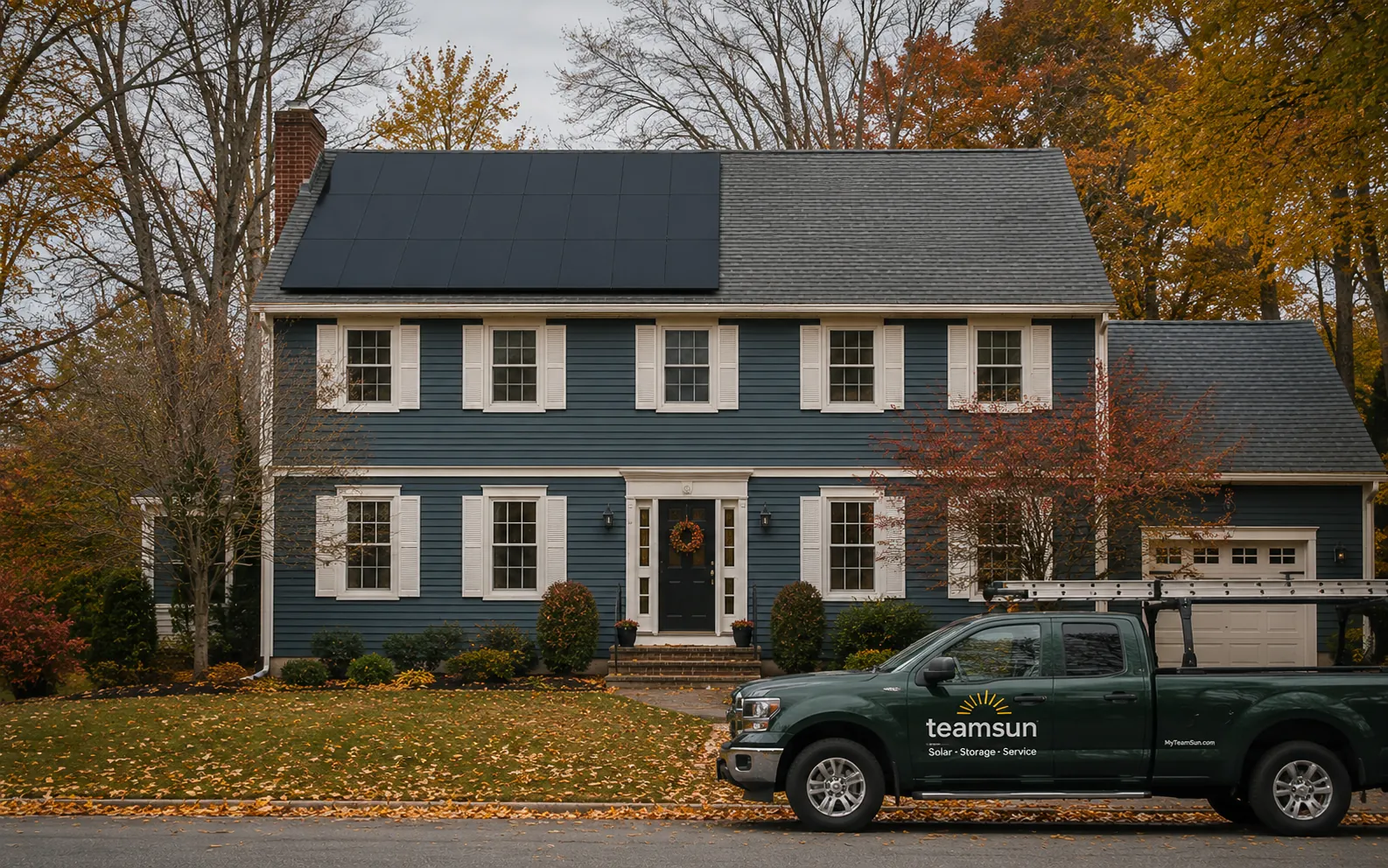
A combined solar-and-roof project coordinates the building’s roofing work with the installation or reinstallation of solar equipment. The aim is to establish a suitable roof, define attachment and waterproofing responsibilities, and avoid treating two connected projects as unrelated contracts.
The right sequence depends on whether solar is already installed, the roof’s condition, and the work each contractor is responsible for. A roof inspection and a solar assessment answer related but different questions.
If you do not have solar yet
Have the roof’s condition assessed before committing to the solar layout. Consider planned roof work, visible damage, known leaks, and documentation from earlier repairs. Roof age is useful background, but it does not establish condition by itself.
Ask whether the proposed array will make later access more difficult and how roof work would be handled after installation. DOE identifies roof characteristics and usable space as important inputs to solar potential; a complete project also needs the appropriate condition and structural assessments. DOE rooftop potential
If replacement is appropriate, coordinate the intended mounting system and roof details before either trade begins. A new roof should not be described as automatically suitable for every solar attachment or layout.
If panels are already installed
Removing and reinstalling solar is a distinct scope of work. The project must account for the existing equipment, authorization, electrical isolation by qualified personnel, storage, roof access, reinstallation, and verification afterward.
Before scheduling, confirm who owns the system. A lease or PPA may require approval or use of a designated provider. Ask how the project will preserve warranties and document any equipment damage discovered during removal.
Create an equipment inventory and a pre-work condition record. That helps distinguish an existing defect from damage that occurs during the project. The roof contractor and solar contractor should agree on when each can safely access the work area.
Put responsibilities in writing
A coordinated proposal should identify:
- The roofing materials and complete roofing scope.
- Who removes, stores, reinstalls, and recommissions solar equipment.
- Who designs or approves attachments and structural details.
- How waterproofing, flashing, and discovered deterioration are handled.
- Which permits, inspections, and utility notifications are required.
- Who responds if a leak or production problem appears afterward.
One point of contact can simplify coordination, but it does not merge every product and workmanship warranty into one unlimited promise. Read the actual coverage and claims process.
Compare the complete project cost
Evaluate the roof and solar scopes together, while keeping their prices identifiable. An inexpensive roofing quote may exclude solar handling; a solar quote may assume the roof is already suitable. Request a written change process for concealed roof damage or equipment that cannot be reused.
Also ask how temporary production loss is treated during the work. Do not assume the system will remain online, that a specific outage duration is guaranteed, or that missed generation is automatically reimbursed.
What the roof and the solar system each need to do
The roof must manage water and protect the building as a complete assembly. Solar mounting must secure the equipment and transfer loads through an appropriate attachment design. The two systems meet at mounting locations and other details, so a successful project needs both functions considered together.
A solar module is not a substitute for the roof beneath it. Conventional rooftop panels do not make an aging roofing assembly waterproof, and the space under an array should not be treated as exempt from future inspection or maintenance. Likewise, a newly installed roof does not automatically establish that every proposed solar mounting method is suitable.
Ask the project team to describe the roof assembly, attachment approach, and responsibilities at their interfaces. The homeowner does not need to select fasteners or calculate structural loads. The useful decision is whether qualified parties have coordinated the design and whether the contract assigns responsibility for the completed result.
How to decide whether replacement should come first
Begin with condition rather than a single age threshold. Known leaks, repeated repairs, damaged materials, and planned renovations can make roofing work relevant before solar. A roof that appears sound from the driveway may still need a closer qualified assessment, while age alone does not prove that complete replacement is necessary immediately.
The assessment should distinguish the roof areas affected by the array from the rest of the building. A proposed solar layout may occupy only part of the roof, but access, drainage, and future repair work can involve a broader area. Ask whether a partial roofing scope creates awkward interfaces or leaves a near-term project that would disrupt the new installation.
Compare the timing options explicitly. Installing solar now and replacing the roof later can require removal, storage, and reinstallation. Replacing an otherwise serviceable roof earlier has its own cost. A useful recommendation explains the evidence and trade-off rather than automatically bundling a new roof into every solar proposal.
Roof materials and attachment details
Roofing materials differ in profile, installation method, maintenance needs, and compatibility with mounting systems. Asphalt shingles, metal roofing, and low-slope assemblies should not be treated as interchangeable surfaces. The selected attachment and waterproofing details must suit the actual roof and equipment requirements.
For a homeowner, the key questions concern the approved method and responsible parties: who verifies the roof construction, who selects the mounting detail, and who confirms that it is compatible with the roofing warranty? Avoid reducing the decision to whether a mount “makes holes.” Different systems manage attachment and water in different ways, and the complete detail matters.
Do not request an improvised attachment solution solely to preserve the appearance of a proposed layout. Structural suitability, water management, required clearances, and service access can change the arrangement. The final design should explain those changes and update the production estimate if the usable array area is affected.
Plan a detach and reset as its own project
For existing solar, removal and reinstallation require more than temporarily moving panels out of the way. The scope needs to identify the equipment, safe electrical work, handling, storage, mounting condition, reinstallation, testing, and any approvals associated with the final configuration.
A pre-work inventory helps establish what was present and what condition was observed. It should distinguish an existing fault from damage discovered or caused during the roof project. Ask how damaged or unsuitable components will be documented, who approves replacements, and how their cost will be handled.
Storage also needs a defined plan. The contract should identify who is responsible for the equipment while it is off the roof and what happens if weather, concealed damage, or another delay extends that period. Do not assume the roofing company has accepted responsibility for solar equipment simply because it is managing the overall schedule.
Coordinate the sequence between trades
The sequence normally begins with assessment and design, then moves through the required approvals and coordinated work. For an existing array, solar removal must be completed safely before roofing activities depend on that area being clear. Roofing completion must then be suitable for the approved solar mounting work before reinstallation proceeds.
Have one agreed schedule that identifies handover points between the teams. The homeowner should know who confirms that the roof is ready, who protects unfinished work, and who is responsible for calling the next trade. A schedule with two independent start dates but no handover criteria can create delays and confusion.
Explain access constraints early. Driveway use, delivery space, landscaping, pets, occupied rooms, and electrical interruptions can all affect the household. A coordinated project should communicate those practical effects without asking the homeowner to perform technical tasks or enter work areas to keep the schedule moving.
Understand how roof and solar warranties interact
A product warranty, a roofing workmanship warranty, solar installation workmanship, and equipment warranties can cover different issues. One company may coordinate the project while the underlying remedies remain separate. Ask for the actual documents and a clear claim route rather than relying on the phrase “everything is covered.”
A useful hypothetical test is a leak discovered near an array after a storm. Which party receives the first call? Who investigates whether the source is roofing, flashing, an attachment, or an unrelated building condition? Who authorizes access and temporary equipment removal if needed? The contract should make investigation and responsibility more understandable, even though it cannot predetermine every future cause.
Another test is low solar production after reinstallation. Ask who verifies the restored electrical and monitoring configuration and how a suspected equipment problem is handled. A roof that passes its inspection does not by itself establish that the solar system has been correctly recommissioned.
Compare costs without hiding duplicated work
Keep the roofing price, solar handling, new solar equipment, and optional upgrades identifiable. A combined total can be useful for budgeting, but the underlying scopes should remain visible. Otherwise, it is difficult to compare the proposal with separate bids or understand a change order.
Ask whether removal and reinstallation include replacement mounting components where required, electrical work, monitoring restoration, permits, inspections, and final testing. Also ask which concealed roof conditions are excluded from the initial price and what evidence will accompany a proposed additional charge.
If new solar is being installed with the roof, compare the complete design and annual energy assumptions. A financing package should not blur roof cost and solar cost when discussing incentives or savings. Each claimed benefit must apply to the eligible work and customer under current rules; combining the projects does not automatically make every expense eligible for the same treatment.
When an equipment upgrade is worth evaluating
Removing an existing array can be an opportunity to assess equipment condition and future plans. It may be practical to consider an inverter change, a different layout, or additional capacity while related work is underway. That opportunity should trigger a comparison, not an automatic conclusion that the older installation has no remaining value.
Compare the cost and outcome of retaining serviceable equipment with partial or broader replacement. Include the effect on production, monitoring, warranties, utility approval, and existing compensation arrangements. If a new layout changes capacity or electrical characteristics, the project may need a different approval path from a straightforward reinstallation.
A battery project adds another design decision. Some storage work can be coordinated with the same electrical planning, but its backup capability and economic value should be assessed separately. Roof replacement does not establish how much storage the home needs or whether the existing solar equipment supports the proposed battery.
Verify the completed project from both perspectives
For the roof, request the agreed completion records, product and workmanship documents, and information about future maintenance or access. For the solar system, request the installed equipment record, relevant inspection or utility documents, monitoring access, and commissioning evidence.
Compare the final layout with the approved design. If equipment changed during the project, the documents should reflect the actual installation. A handover based on an earlier proposal can create avoidable uncertainty during later service or a home sale.
Frequently asked questions
Can I live in the house during the project?
The answer depends on the scope and site conditions. Ask about work areas, access restrictions, noise, electrical interruptions, and any condition that could affect occupancy. Do not assume that a general solar-roofing description establishes the schedule or arrangements for a particular home.
Will solar panels protect my roof from aging?
They may shade portions of the roof, but that does not establish a warranty extension or eliminate the roof’s maintenance needs. Evaluate the roofing system on its own condition and applicable guidance. Do not use an assumed protective effect to justify installing over a roof that needs work.
Who should I call if I notice a problem afterward?
Use the documented service route and describe the observation, date, and affected area. Keep safely obtained photographs and relevant monitoring information. Avoid climbing onto the roof to decide which contractor is responsible before contacting them.
Can the roofer remove the panels?
Do not assume that roofing capability includes the electrical and solar-specific work required. The project needs appropriately qualified personnel and a clearly assigned scope.
Should old panels be replaced while the roof is open?
Compare retaining serviceable equipment with an upgrade using documented condition, compatibility, cost, and utility implications. Roof replacement alone does not prove that every solar component needs replacement.
How do I know reinstallation is complete?
Ask for the required inspection records, commissioning results, restored monitoring, equipment updates, and any utility confirmation associated with the work.
Request a solar and roofing consultation with Teamsun. Bring the roof history, ownership documents, and existing solar details so the scope can address both the building and the electrical system.