Commercial Solar vs Rooftop Lease: Which Pays More?
Commercial solar vs rooftop lease for CT, MA and RI businesses: compare cash flow, who keeps the ITC, and who controls the roof and the system.
Dan Katzman
Teamsun
For most taxable businesses in Connecticut, Massachusetts and Rhode Island, owning a 25kW to 500kW commercial solar system pays more over its life than leasing roof space to a developer. Ownership puts the bill savings, the tax benefits and the asset in your hands. A roof lease pays steady rent, asks for no capital, and hands nearly everything else to the developer.
We are Teamsun, a privately owned installer serving CT, MA and RI. We build owned commercial systems (rooftop and ground mount) with our own in-house W-2 crews, not subcontractors, and we also write PPA and prepaid lease deals. So we see both sides of this choice, and this comparison is about which one fits your building.
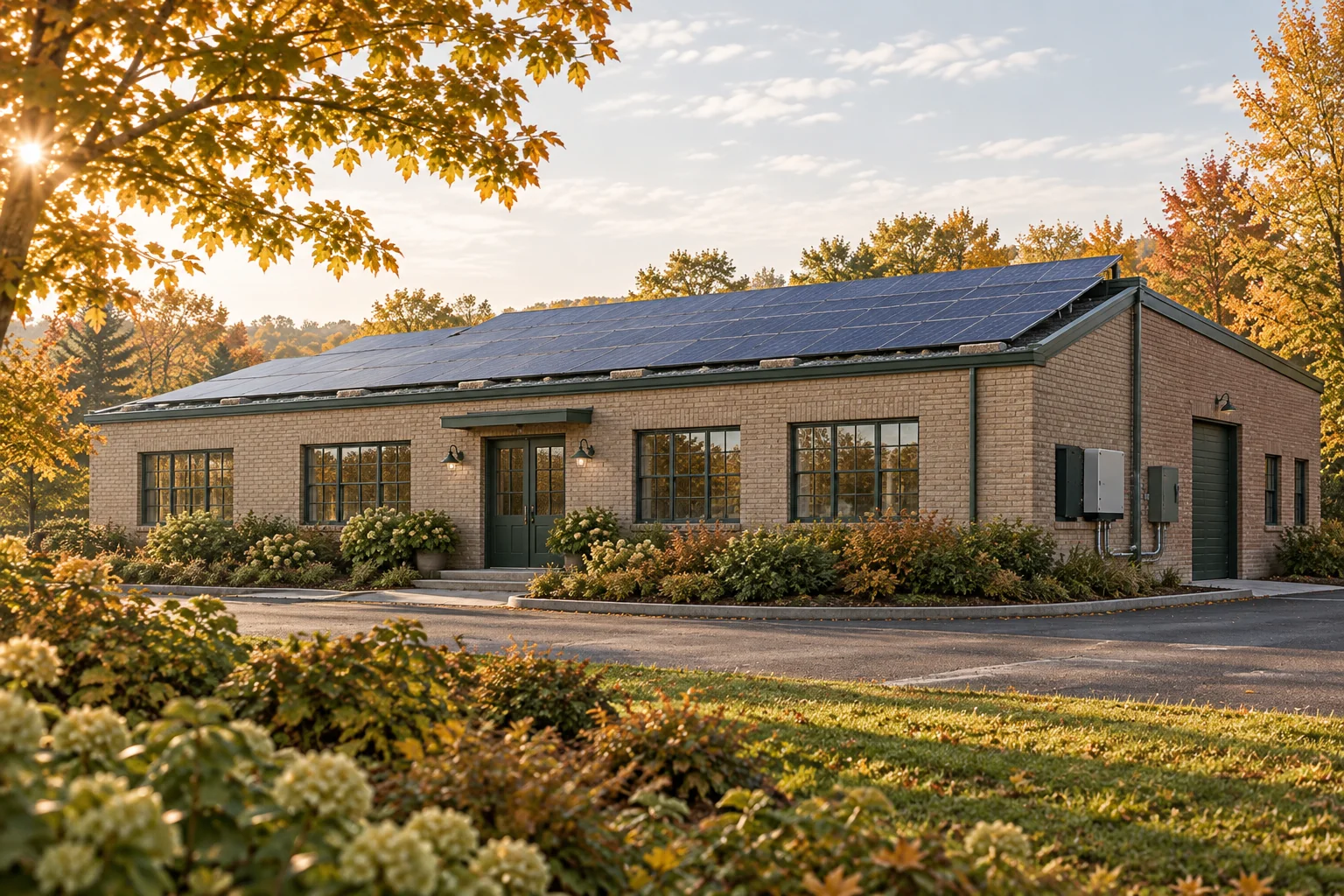
One definition first. "Rooftop lease" here means you rent your roof to a third-party developer who builds, owns, insures and operates the system. You collect rent. "Owned system" means you buy it, with cash or a loan, and the savings and incentives are yours.
Which Pays More: Owning a Commercial Solar System or Leasing Your Roof?
Owning pays more in total dollars when your business can use the federal tax credit and depreciation, your roof is sound, and you plan to hold the building for years. Leasing pays less in total but costs nothing upfront, and it can win when you lack tax appetite, capital or roof life.
The gap exists because a developer who leases your roof has to earn a return on its own capital, tax credit and operating costs. That return comes out of the same sunlight your roof would have turned into bill savings. An MIT study of solar roof monetization in US industrial real estate compares these two business models and shows how tax credits and accelerated depreciation shape each one.
Ownership is not automatically better. It asks you to fund the project, manage the roof, and have enough tax liability to use the benefits. Keep those three conditions in mind as you read the sections below.
Owned System vs Rooftop Lease at a Glance
This table puts the two paths side by side for a typical small-to-mid-size commercial building. Specific numbers depend on your roof, rates and tax position, so we show the structure rather than invented figures.
| Factor | Owned system (25kW to 500kW) | Rooftop lease to a developer |
|---|---|---|
| Upfront cost | Cash, or a loan with payments | None; developer funds the build |
| Cash flow source | Lower utility bills, plus any production incentives | Fixed rent paid to you, usually modest |
| Federal tax credit | You claim it if you have the tax liability | Developer claims it |
| Depreciation | You deduct it | Developer deducts it |
| Electricity from the system | Offsets your own consumption | Often sold to others or the grid; not your savings |
| Roof access and work | You decide timing; one contractor handles panels and roof | Developer's access rights; roof work needs coordination |
| Maintenance and insurance | You own it (service plan optional) | Developer's duty under the lease |
| End of term | System keeps producing for decades | Removal, renewal or buyout, as the lease says |
| Best fit | Taxable owner-occupants holding long term | Owners with no capital, no tax appetite or a very large roof |
How Does Cash Flow Compare Over 25 Years?
An owned system starts with a cash outlay or loan payment, then saves money on electric bills from the first month for the life of the panels. A roof lease starts with no outlay and pays rent for the lease term, but the rent is usually smaller than the bill savings an owner earns.
Here is how the timeline usually shapes up for an owner. In the early years, the tax credit and depreciation cut your net cost sharply, which is why taxable businesses often reach payback in a handful of years. Our commercial solar ROI payback guide walks through what sets that number.
The owner's timeline
- Year 0: You pay for the system or start loan payments. Tax benefits are claimed for the year the system is placed in service.
- Years 1 to payback: Bill savings, plus any state production payments, pay down your net cost.
- After payback: Savings are close to pure gain, reduced slowly by panel aging and by one inverter replacement, which you should budget for. See our explainer on solar panel degradation for how output slips each year.
The roof lessor's timeline
You receive rent on a schedule set in the lease and spend little. The developer carries the build cost, repairs and insurance. A National Renewable Energy Laboratory study of commercial retailers describes third-party ownership contracts that run 15 to 25 years, which is a long time to have your roof committed.
That long commitment matters at sale or refinance. A buyer or lender will read the lease before closing, and a long term can complicate both.
Who Keeps the Federal ITC and State Incentives?
Whoever owns the system keeps the federal investment tax credit and the depreciation deductions. If you buy the system, they are yours. If you lease your roof, the developer owns the system and takes both. As a lessor you generally receive rent only.
The federal rules have changed recently, so timing matters. For commercial solar, the credit runs under Section 48E. As of this writing, the begin-construction date of July 4, 2026 has passed, and solar projects that start construction now must be placed in service by December 31, 2027 to qualify.
The base credit is 30%, with possible adders for items like domestic content and energy communities. Confirm eligibility for your project with a tax advisor before you commit.
Depreciation is the second big federal lever. Qualifying solar has been treated as 5-year MACRS property, and current law allows 100% bonus depreciation for qualifying property placed in service after January 19, 2025, unless you elect out. Our MACRS depreciation guide for business owners covers how that interacts with the credit.
State incentives in CT, MA and RI
State programs also follow the owner. Massachusetts runs the SMART program, which pays a fixed per-kWh amount for generation over 10 years, with rates that vary by utility territory and system size. Connecticut and Rhode Island have their own commercial tariffs and programs, and details shift by year and size tier. Our state-by-state incentive comparison breaks them down.
One caution: a developer sometimes enrolls the system in a state program itself, so the payments go to the developer and not to you. If you lease the roof, read who is named on the interconnection and incentive paperwork.
Who Controls the Asset, the Service and the Roof Work?
With an owned system, you control the asset: when the roof gets replaced, who services the panels, and what happens if you sell. With a roof lease, the developer controls the system and holds access rights to your roof for the full term, which limits your freedom.
Roof replacement and repairs
Roof work is where leases hurt most. If the roof needs repair mid-term, panels have to come off and go back on. Under a lease, the lease decides who pays, who schedules the work and how long your rent is paused.
Under ownership, you plan it yourself, and the same crew that installed the array can remove and reinstall it. Ideally the roof gets done before panels go on; see when to replace a roof before solar.
Tenants and triple-net leases
If you own a building with tenants, there is a split incentive. In a triple-net lease the landlord owns the roof and the tenant pays the power bill. So the party who pays for an owned system is not the party who saves money. A roof lease to a developer sidesteps that by paying you rent, while an owned system needs a plan, such as a lease clause that shares savings.
Service and workmanship
Who shows up when an inverter faults? On an owned system, you pick the installer. We use in-house W-2 crews, so the people who installed your array are the people who service it, and we service systems installed by other companies too.
Under a roof lease, the developer picks its own contractors, and you may have no say. If you are ever left stranded by a failed company, our guide on what to do when your solar installer goes out of business shows what to do.
Which Commercial Solar Options Fit a 25kW to 500kW Building?
Four paths fit most small and mid-size buildings: buy with cash, buy with a loan, sign a PPA where a third party owns the system and sells you the power, or use a prepaid lease. Roof rental to a developer is a fifth path, but it only produces rent.
The middle options matter because they split the difference. The Massachusetts state government's solar FAQ describes third-party ownership as a third party installing, owning, operating and maintaining a system on a customer's property. In Connecticut, a state handout on solar for facilities describes the CT Green Bank PPA, where the Green Bank owns, maintains and insures the system for 20 years and you pay for the power it produces.
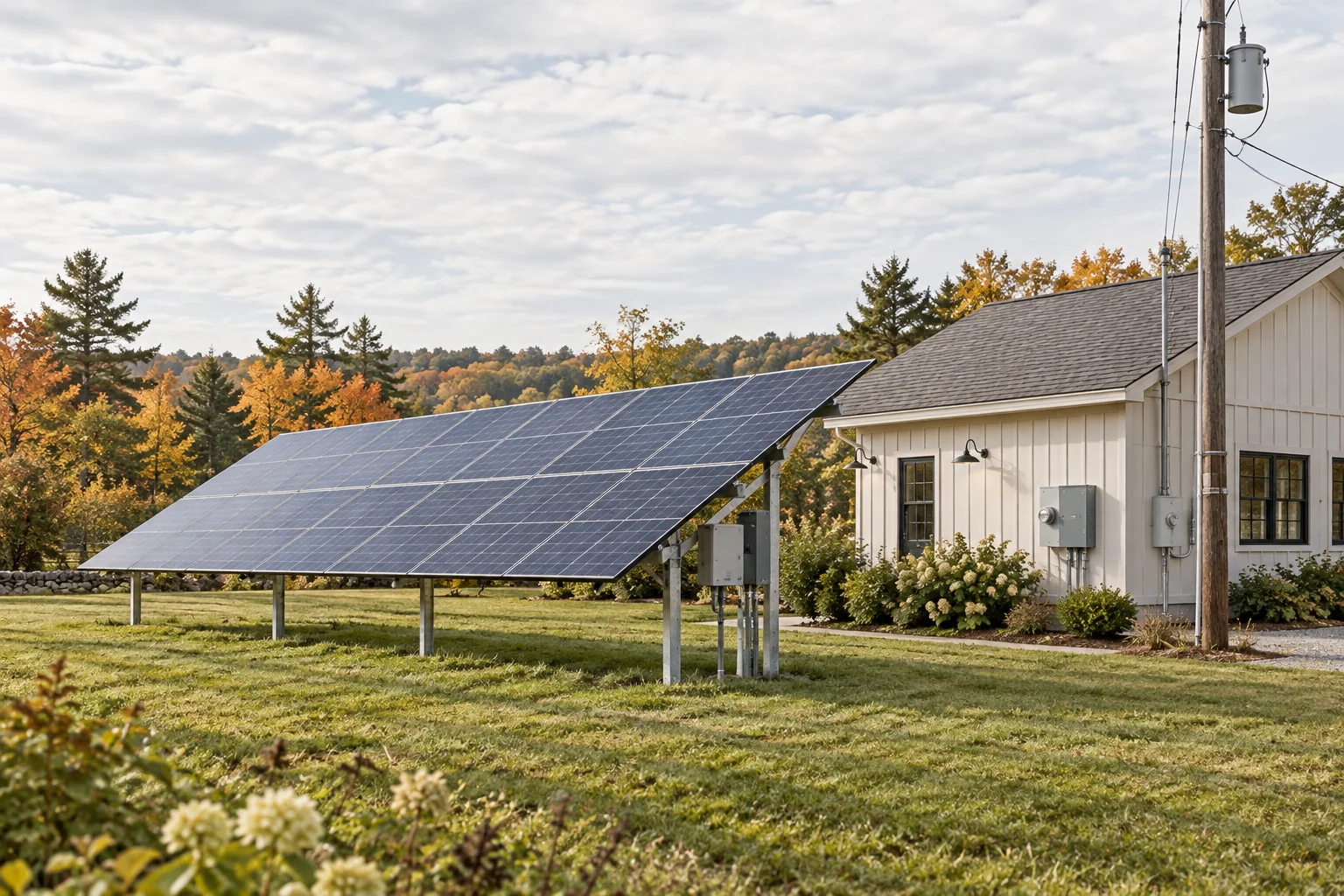
A PPA keeps the savings idea of solar without the capital cost, but the third party still takes the tax credit, so your discount comes from a power rate, not ownership. Our PPA underwriting starts at a 620 FICO, and our commercial solar financing guide compares cash, loans, PPAs and leases for 25kW to 500kW systems.
Rooftop or ground mount?
If your roof is old, shaded or too small, a ground mount on a back lot can be a better asset. We install both. Systems from 25kW to 500kW fit most small and mid-size properties, and the choice comes down to roof condition, available land and your utility interconnection.
When Does a Rooftop Lease Make More Sense?
A rooftop lease makes more sense when your business has little tax liability, cannot or will not spend capital, and has a roof in good shape with many years of life left. It also fits owners who want passive income and no operating role.
Before you sign anything, check these points in the lease:
- Term and renewals: How many years, and who can extend?
- Roof condition: Who pays for a repair that requires removing panels?
- Removal and restoration: Who removes the system at the end, and is there a bond?
- Sale or refinance: Can you transfer the lease, and does a lender consent?
- Access and insurance: When can the developer enter, and who carries liability?
- Rent escalators: Does rent rise over the term, or stay flat?
For warehouses and large flat roofs, our guide on commercial solar for warehouse rooftop owners covers more of these clauses.
How to Decide: A Checklist for CT, MA and RI Owners
Start with three facts: your roof's remaining life, your tax position, and how long you will own the building. If all three are strong, price an owned system first. If any one is weak, compare it against a PPA, prepaid lease or roof rent.
- Get the roof assessed. Age, material and structure decide whether panels go on now or after roof work.
- Ask your accountant about tax appetite. The credit and depreciation only help if you can use them.
- Pull 12 months of electric bills. Savings from an owned system depend on your rate and your usage.
- Collect at least two proposals: one for ownership and one for a lease or PPA, then compare them on the same terms. Use our guide on how to read a commercial solar proposal.
- Check the installer. Confirm its state license and ask whether crews are employees or subcontractors.
For the ownership side, request a free quote for your building and we will size a system, show the incentive stack and lay the numbers beside a lease or PPA. You can also talk to a designer about roof or ground-mount layout, explore our services, or call 203-903-4091. Our average install runs 47 days.
Recommended Resources
Written by
Dan Katzman
Teamsun
Teamsun writes practical solar guidance to help property owners compare equipment, project scope, costs, and long-term service before making a decision.
Keep going.
Commercial Solar Depreciation (MACRS)
Commercial solar depreciation under MACRS explained: how 5-year recovery stacks with the federal tax credit, and what to ask your accountant before filing.
Dan Katzman
Teamsun
Commercial Solar for Small Business Roofs: 2027 Guide
Commercial solar for small business roofs: roof suitability, permitting, interconnection, and financing options for 25kW-500kW rooftop systems in CT, MA, RI.
Dan Katzman
Teamsun
Commercial Solar Ground Mount Permitting Checklist for New
A commercial solar ground mount permitting checklist covering zoning, utility interconnection, and CT/MA town-specific permit steps for business owners.
Dan Katzman
Teamsun