Mistakes When Switching Solar Companies: 8 to Avoid
Unhappy with your installer? Avoid 8 costly mistakes when switching solar companies, from warranty gaps to skipped audits, in CT, MA and RI.
Dan Katzman
Teamsun
The costliest mistakes when switching solar companies are all paperwork and accountability problems, not roof problems: letting a warranty lapse, skipping a system audit, and never confirming who will actually service your panels. If you own a system in Connecticut, Massachusetts or Rhode Island and your installer has stopped answering, you can fix that. You just need to check eight things before you sign with anyone new.
We are Teamsun, a privately owned installer serving homeowners and small businesses across Connecticut, Massachusetts and Rhode Island. We service, upgrade and retrofit systems installed by any brand, and our own crews are W-2 employees, not subcontractors. That gives us a close view of what goes wrong when owners change providers. Here are the eight mistakes we see most.
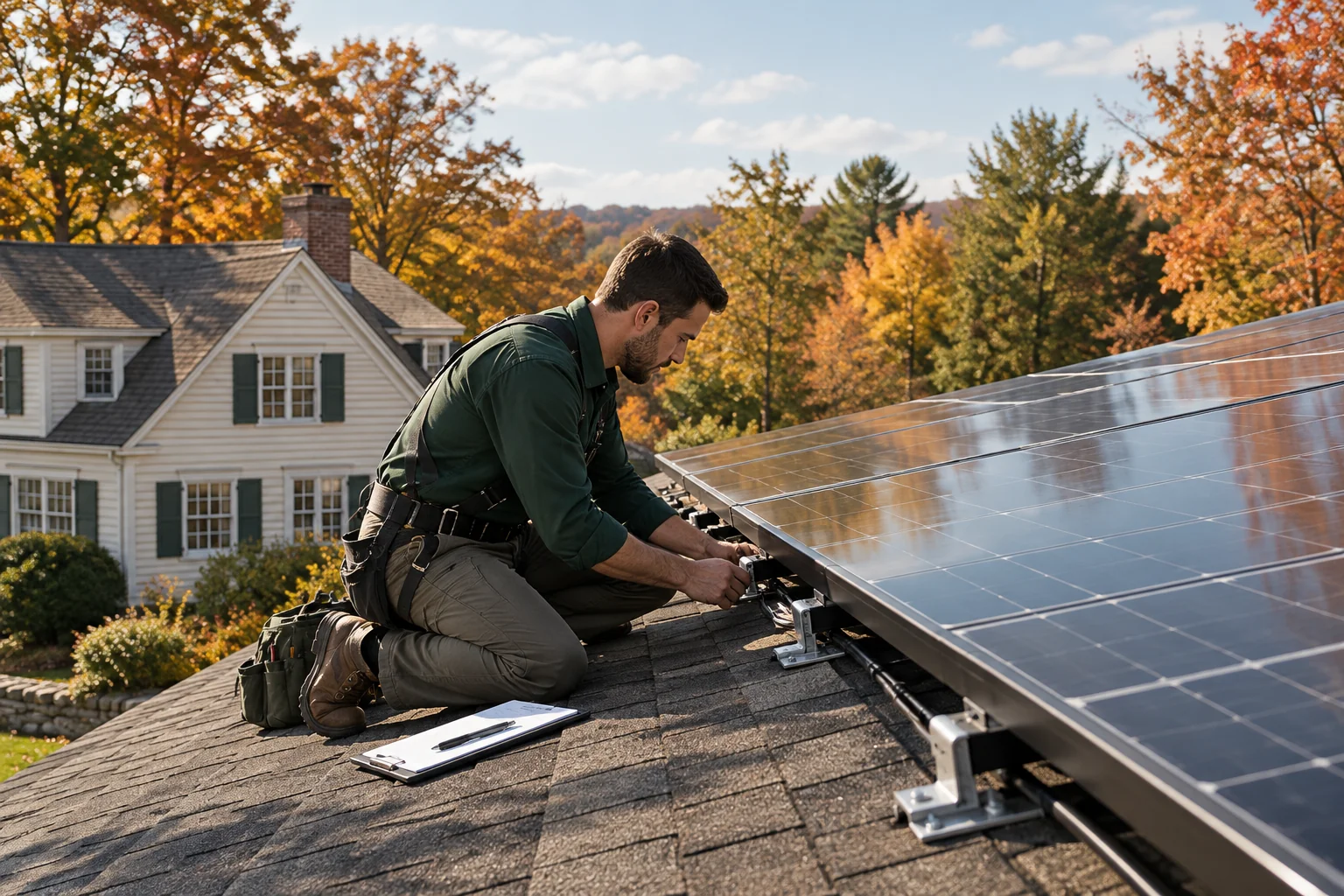
1. Letting Your Warranty Lapse Without Checking Transfer Terms
Most solar systems carry three kinds of coverage: a product warranty from each manufacturer, a performance guarantee on panel output, and a workmanship warranty from the installer. Owners often assume all three move with the system. They do not. The workmanship warranty usually belongs to the company that did the install, and its terms decide what happens when someone else touches the roof.

Before you hire a new company for service or an upgrade, pull your original contract and every warranty document. Read the workmanship section for two things: how long it lasts, and whether work by another contractor voids it. If the language is vague, get a written answer from the installer rather than relying on a phone call.
Manufacturer coverage is a separate track. Municipal guidance for Massachusetts solar owners tells them to contact equipment manufacturers directly to transfer warranties when ownership changes. That advice applies to you too: register your panels, inverter and any battery under your name, so coverage does not depend on an installer that may not exist in five years.
If you are still inside the workmanship period, ask your new company a blunt question: "Will you work on this system without affecting my existing coverage?" A good answer is specific. If you want a deeper breakdown of the three coverage types, our post on solar panel warranty terms covers each one.
2. Skipping a System Audit Before You Sign Anything
An audit tells you what you actually own before you commit to repairs, a battery or an upgrade. Without one, a new company is quoting blind, and you cannot tell whether a proposed fix is needed or just a sales opportunity. Skipping it is the mistake that makes every other mistake on this list harder to catch.
A useful audit covers the physical and the electrical sides:
- Panels and racking: cracked glass, loose clips, corrosion, flashing and roof penetrations.
- Wiring and connectors: loose or damaged conductors, conduit condition, and any exposed runs.
- Inverter: error codes, age, and whether it is still supported by its maker.
- Monitoring: whether the data is reporting and whether production matches expectations.
- Main electrical panel: space and capacity if you plan to add a battery or an EV charger.
Ask for the findings in writing. The Rhode Island Office of Energy Resources notes in its Residential Guide to Going Solar that owners should know where the external disconnect is, how to shut the system off in an emergency, and how to read the inverter display. If your current installer never showed you that, the audit is a good moment to learn it.
Pair the audit with your monitoring history. If output has slid for a year or more, you want that on the table. Our guide on when to upgrade an older solar system explains which findings point to repair and which point to replacement.
3. Not Confirming Who Actually Services the System
Many owners switch companies because the first one was hard to reach, then repeat the problem by not asking who shows up. The question is simple: are the people who will work on your roof employees of the company, or subcontractors hired job by job? Neither is automatically bad, but the answer decides who is accountable.
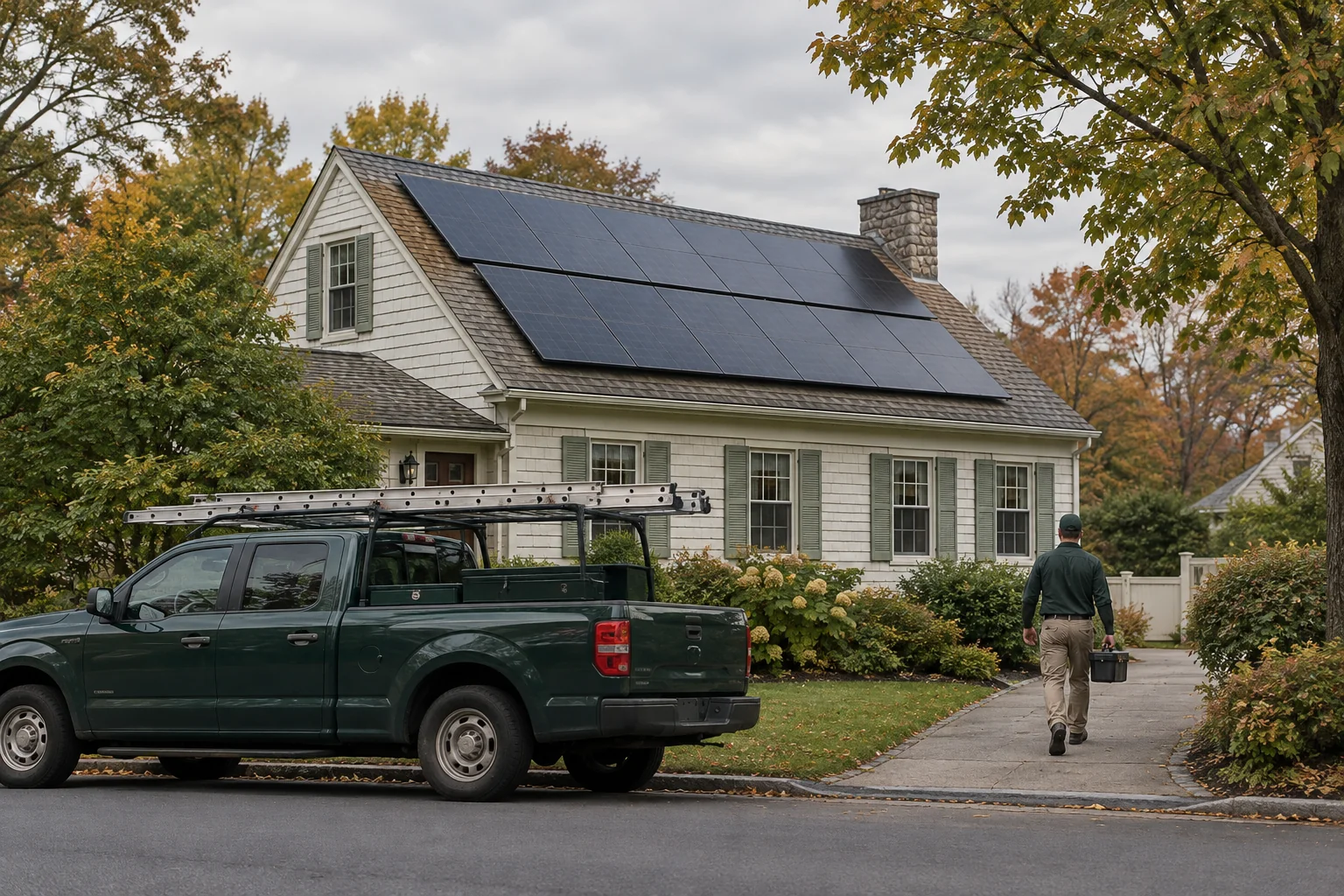
If crews are subcontracted, ask who honours the workmanship warranty when a sub makes a mistake or goes out of business. Ask whether the company has a service line staffed by real people, and what the typical response time is for a fault. Get the named maintenance contact in writing.
The Massachusetts Attorney General's office has said that an installer should give customers the name of a maintenance company, whether the customer owns or leases the system. If the company you are considering cannot name who services your system after install, treat that as a warning sign.
Our own crews are W-2 employees, so the people who quote your job and the people who work on your roof answer to the same company. We think that matters most after the install, when you need someone to come back. Our post on in-house crews versus subcontractors goes into detail.
4. Assuming a New Company Will Not Touch Another Brand's System
The reverse problem is just as common. Plenty of installers will only service systems they sold. Owners call three companies, hear "we don't work on other people's installs" three times, and give up, leaving a fault unresolved. That is why it is worth asking directly and early whether a company services any brand.
When you call, ask these questions:
- Do you service panels, inverters and batteries from other installers?
- Do you work on older systems, and is there an age limit?
- Do you stock parts for the inverter brand I have, or do you order them per job?
- Will you assess the system first, and what does that visit cost?
We service and repair any brand, and our retrofit work includes systems of any age. If you want to see what that visit looks like, our services page lists repair, upgrade and battery work for existing systems. A genuine yes comes with details about the equipment, not just a friendly tone.
5. Retrofitting a Battery Without Checking Compatibility
Adding a battery to an existing system is often the reason owners go looking for a new company, and it is where a rushed decision costs the most. Not every battery fits every system. The inverter type, how the battery is coupled, your main panel and your utility's interconnection rules all shape what works.
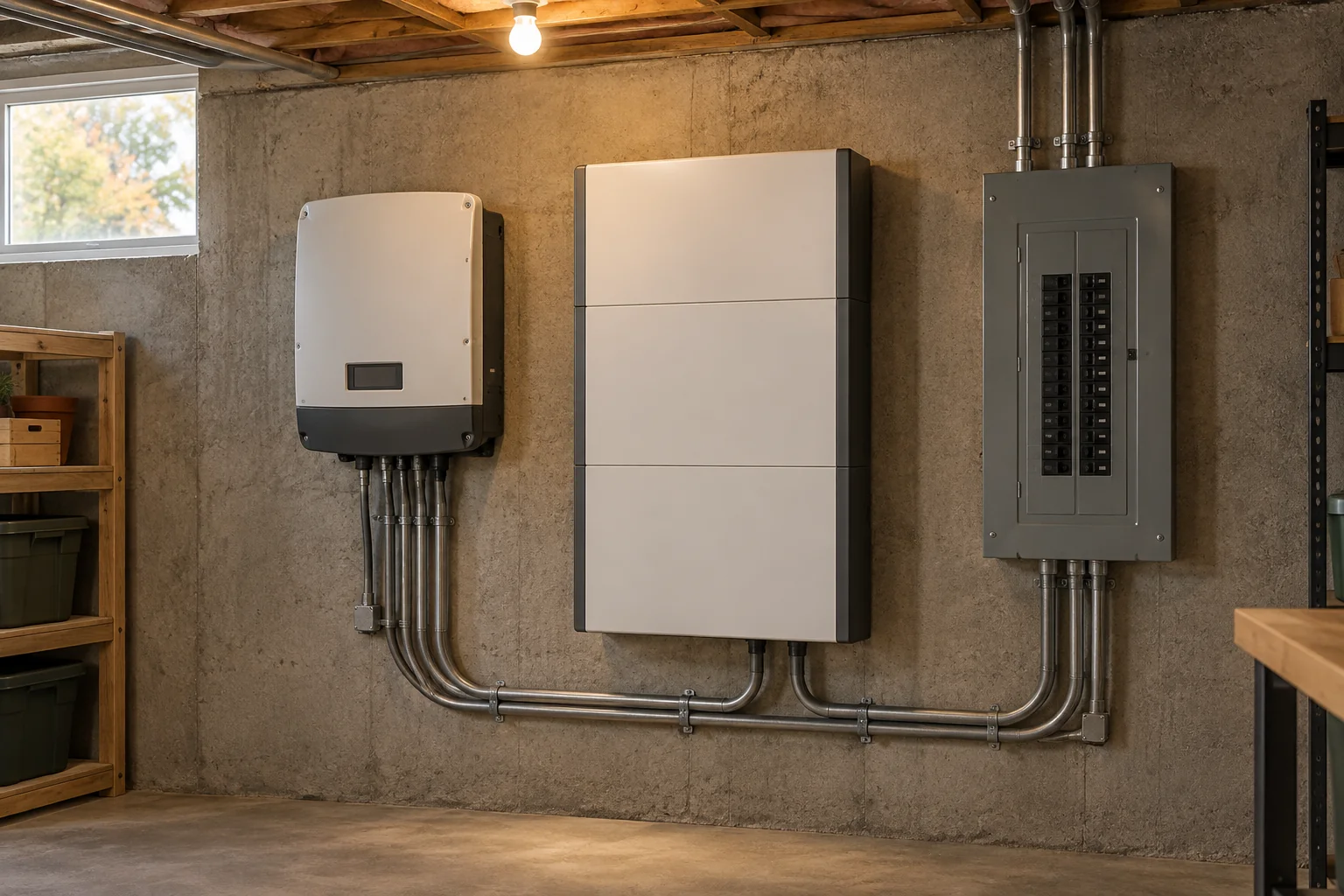
Check these before you sign a retrofit quote:
- Inverter type: string inverter, microinverters or a hybrid unit change which battery options make sense.
- AC or DC coupling: your existing equipment affects how the battery connects and how efficiently it charges.
- Panel capacity: an older main panel may need an upgrade first.
- Utility approval: a battery usually needs its own interconnection paperwork, which adds time.
- Warranty interaction: confirm in writing that the retrofit does not change your existing inverter or panel coverage.
We install FranklinWH, Tesla Powerwall and Enphase IQ batteries onto existing systems of any brand. Which one fits depends on your equipment and what you need to back up, and a good installer will explain why, not push a favourite. Our walkthrough on how a solar battery retrofit works covers the steps from audit to power-on.
6. Ignoring Contract, Financing and Ownership Details
Who owns the system changes everything about switching. If you bought with cash or a loan, you own it and can hire anyone. If you have a lease or a power purchase agreement, the financing company owns it, and your contract may limit who can service or modify the equipment. Many owners discover this only after a contractor has already touched the system.
The Maine Attorney General's solar guidance lists what contracts should spell out, including operation and maintenance responsibilities, and the cost of equipment removal at the end of the contract. Read your own agreement for the same items. Maine is outside our core area, but the checklist applies to any residential solar contract.
Also check for recurring fees. Connecticut's Attorney General reported in March 2026 that his office and the Department of Consumer Protection had received approximately 65 consumer complaints about one solar company, including failure to uphold warranties and a $10 monthly fee for access to system data. A fee like that can hide in a contract you signed years ago.
If you are not sure which structure you have, compare it against our explainer on financing options, or ask a designer to read your agreement with you. The terms of PPAs and leases differ, so it pays to know yours before anyone sends a crew.
7. Overlooking Roof Age and the Timing of Upgrades
Swapping companies for an upgrade without looking at the roof under the panels is an expensive gamble. If the shingles will need replacing within a few years, any panel work you pay for now may have to be undone. Panels come off for the roofers and go back on, and that detach-and-reset is a real line item.
Connecticut's Attorney General has urged residential solar buyers to pay attention to whether their current roof will need replacement during the projected life of the solar panels. That warning is aimed at new buyers, but existing owners face the same question when adding capacity or a battery.
The practical move is to have the audit include a roof assessment, then sequence the work: roof first if it is near its end, then solar changes, in one coordinated plan. The cost and scheduling logic is the same one we describe for new installs, and the solar and roofing work can be bundled when both are needed.
8. Falling for Pressure Tactics or Skipping Vetting
An unhappy owner is an easy target. Door knockers, phone calls offering a "free system upgrade" and urgent deadlines all play on the frustration you already feel. Connecticut's Department of Consumer Protection tells buyers in its Solar Panel Buyer's Guide to be wary of offers that sound too good to be true or salespeople using pressure tactics, and to verify electrician and home improvement contractor licences.
Run the same basic vetting you would for a first install:
- Verify the state licence or registration for the company and its electrician.
- Ask for a written scope that lists exact equipment, work and warranty terms.
- Look for membership in industry codes. The Solar Energy Industries Association publishes a Solar Business Code aimed at transparency and good faith among members.
- Never sign on the first visit, and never pay a large deposit for an unspecified "assessment."
Finally, think about the company's staying power. If your current installer has already closed, you are not alone, and we cover that situation in what to do when your solar installer goes out of business.
How Do You Switch Solar Companies Without Losing Coverage?
Gather your original contract and warranties, book an independent system audit, confirm in writing how a new company's work affects existing coverage, and verify who will do the service. Only then sign a scope for repairs, upgrades or a battery retrofit. Doing these steps in order protects your warranties and avoids paying twice.
In practice that looks like this:
- Collect documents: contract, permit, interconnection approval, equipment serial numbers and warranty paperwork.
- Get the audit: a written report on panels, wiring, inverter, monitoring and electrical panel capacity.
- Ask about warranties: request a written statement from your current installer and the manufacturers.
- Confirm the crew: employees or subcontractors, and who answers when something fails.
- Compare scopes, not just prices: equipment models, work included, permits, timeline.
- Re-register equipment: put the manufacturer coverage in your name once work is done.
If you are ready to start, request a free quote for an audit, repair or retrofit on your existing system, whoever installed it. You can also talk to a designer about your equipment first, or call 203-903-4091 to ask a service question directly.
Recommended Resources
Written by
Dan Katzman
Teamsun
Teamsun writes practical solar guidance to help property owners compare equipment, project scope, costs, and long-term service before making a decision.
Keep going.
Solar Inverter Noise: Normal Sounds vs Failing Parts
Solar inverter noise explained: which hums, clicks and fan sounds are normal, which signal a failing part, and when to book a repair visit.
Dan Katzman
Teamsun
Need a New Roof? When to Do It Before Solar
Learn when to replace your roof before solar installation, how to check roof age and condition, and how Teamsun bundles solar plus roofing with one crew.
Dan Katzman
Teamsun
Prepaid Solar Lease: How It Works and When It Beats a Loan
A prepaid solar lease swaps monthly bills for one upfront payment. See how it works, how it compares with a loan or PPA, and what to check in the contract.
Dan Katzman
Teamsun