What Happens During a Solar Site Visit? A Homeowner's
What happens during a solar site visit: roof check, electrical panel review, shade and questions to ask before the crew leaves. A CT, MA, RI walkthrough.
Dan Katzman
Teamsun
During a solar site visit, a crew member inspects your roof (age, material, pitch and framing), checks for shade, opens your main electrical panel to confirm space and capacity, takes labeled photos and measurements, and walks you through layout options and next steps. For most Connecticut, Massachusetts and Rhode Island homes, expect a visit of roughly an hour or two.
Key Takeaways
- Two inspections drive everything: The roof and the electrical panel decide system size, layout and whether you need extra work like a roof replacement or panel upgrade.
- Prepare in 15 minutes: Pull 12 months of electric bills, find your roof age, and clear access to the panel and attic before the crew arrives.
- Stay for the panel check: Ask to see the open panel with the installer. A quote built without one is a guess.
- Ask before they leave: Get answers on roof condition, panel upgrade, shade losses, permit handling and who will be on your roof on install day.
- Who shows up matters: At Teamsun, our own W-2 crews do the assessment, so the person at your panel is on the team that installs your system.
Solar Site Visit at a Glance
| Stage | What the crew checks | What you should have ready |
|---|---|---|
| Goals conversation | Bills, usage, battery or EV plans, budget | 12 months of utility bills |
| Roof inspection | Age, material, pitch, direction, obstructions, framing | Roof age, past leak or repair notes |
| Shade review | Trees, nearby buildings, winter sun path | Plans to trim or remove trees |
| Electrical review | Main breaker, panel space, meter, service wiring | Clear path to the panel and meter |
| Photos and measurements | Labeled photos, roof dimensions, equipment locations | Attic access, ladder room |
| Options and next steps | Layout, battery, EV charger, financing, proposal timing | Your questions, written down |
Why Do First-Time Solar Shoppers Feel Unprepared?
Most first-time shoppers have never watched anyone assess a house for solar, so they cannot tell a thorough visit from a rushed one. The visit also mixes two jobs, a technical inspection and a sales conversation, which makes it hard to know what to ask and when.
That uncertainty is normal. You are about to let a stranger onto your roof and into your basement, and the proposal that follows will cost tens of thousands of dollars. You want to know what they are looking at and why.
The U.S. Department of Energy's step-by-step guide for consumers going solar makes a similar point: knowing your own circumstances, such as the age of your roof, makes you a more informed buyer. The site visit is where those circumstances get checked against reality.
Here is the frame we want you to walk in with. The visit is an assessment of your house. It is not a commitment, and a good installer will tell you what your house cannot do as readily as what it can.
What Should You Do Before the Installer Arrives?
Gather 12 months of electric bills, note your roof's age and any past leaks, and clear access to your electrical panel, meter and attic. Write down your goals, such as lower bills, backup power or an EV charger, so the installer sizes the system for your actual plans.
A short prep list saves you a second visit:
- Utility bills: Twelve months shows seasonal swings. Winter oil or electric heating loads matter in New England.
- Roof history: Install date, shingle type, any leak or repair. If you do not know, say so; the crew will check.
- Panel access: Move boxes, shelves or a freezer that block the panel door. Know where the meter is.
- Attic access: Clear the hatch or pull-down stairs. Rafter size and spacing matter for mounting.
- Future plans: A home addition, a new roof, a heat pump or an EV in the next few years all change the right system size.
- Homeowner paperwork: If you have an HOA or historic district, mention it. It can add review steps.
Plan to be home. You do not need to follow the crew around, but you should be there for the panel review and the final conversation.
What Happens During a Solar Site Visit, Step by Step?
The visit usually runs in this order: a short conversation about your goals, an exterior and roof inspection, a shade check, an electrical panel and service review, photos and measurements, then a talk about layout options and next steps. Each stage feeds the design and permit paperwork that follows.
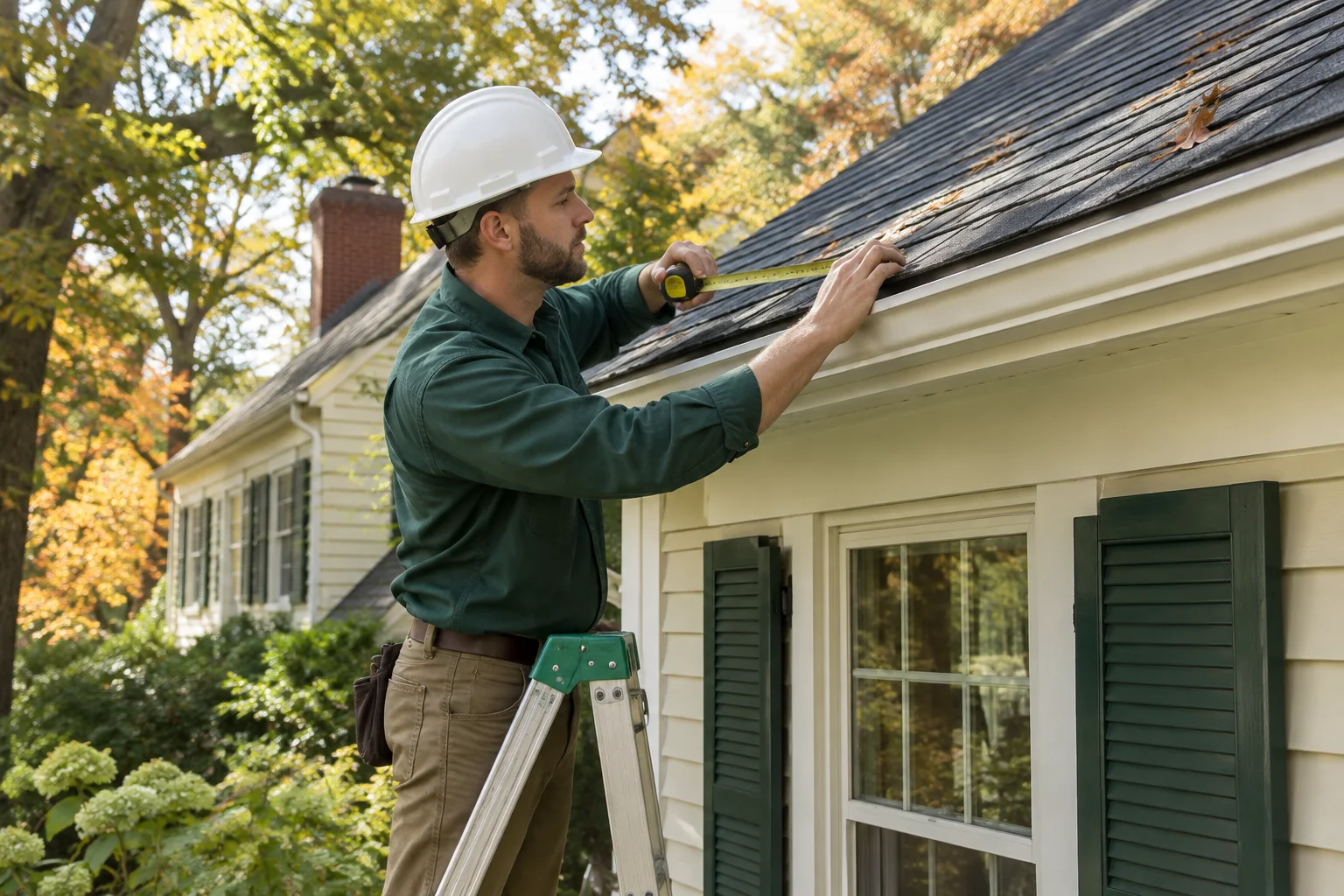
Teamsun's visit follows that sequence. We open with your goals because a home that wants only bill savings is sized differently from one that wants battery backup for outages. Then we move to the house itself.
Step 1: Exterior and Roof Inspection
The crew walks the exterior, then inspects the roof from the ground, a ladder or the roof itself where it is safe. They record material, age, pitch, direction each roof face points, and anything that blocks panel placement: vents, chimneys, skylights, dormers and valleys.
Condition is the big question. Curling shingles, granule loss, soft decking or failing flashing are signs that the roof may not outlast a solar array. Panels last decades, so putting them on a roof with a few years left means paying to remove and reinstall them later.
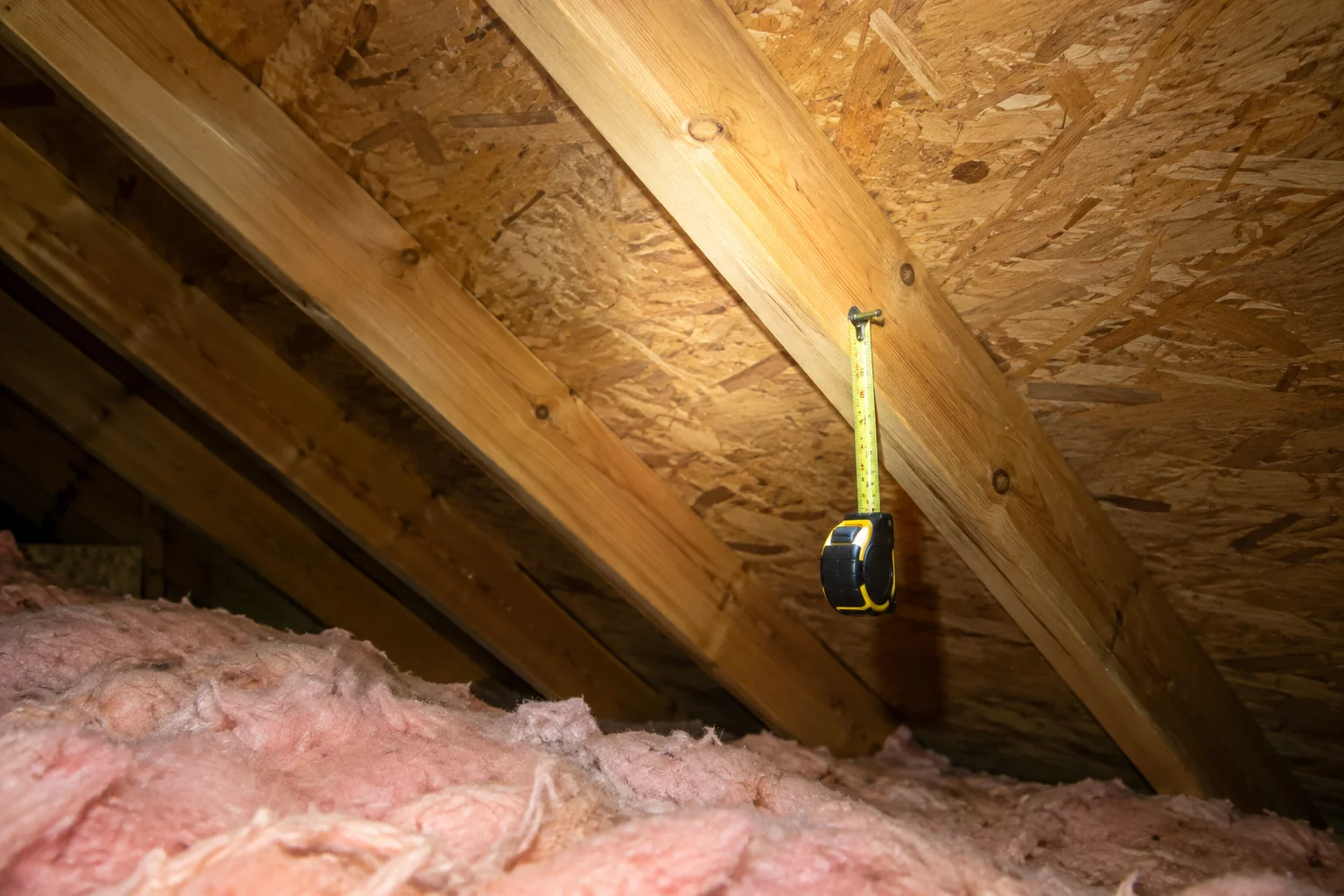
Inside the attic, the crew looks at rafter size and spacing, decking underside and any signs of moisture. This is how they confirm the roof can carry the racking and where the mounts will attach. In New England, snow load is part of that conversation too.
If the roof is borderline, you will hear it at this point. Our guides on signs your roof needs replacing before solar goes on are worth a read before the visit, and our 5 signs checklist is the quick version.
Step 2: Shade and Solar Access Review
The crew checks what shades each roof face through the day and through the seasons. Trees, neighboring homes, chimneys and even a utility pole count. They pay particular attention to the low winter sun, because New England shadows run long from November to February.
Shade does not always rule out solar. A few shaded hours on one roof face can often be handled with panel placement or module-level electronics. Heavy shade across the best roof face is different, and a good installer will say so and may suggest tree trimming, a different roof face or a ground mount.
For Rhode Island homeowners, solar access also has a financial side. One published summary of the state's small-scale grant lists 80% or more solar access as an eligibility condition, so a shade measurement can affect incentive eligibility, not only production.
Step 3: Electrical Panel and Service Review
This is the part most homeowners never see. The crew opens your main panel and records the main breaker rating, the busbar rating, open breaker slots, panel brand and age, meter location, and the size and condition of the service wiring coming into the house.
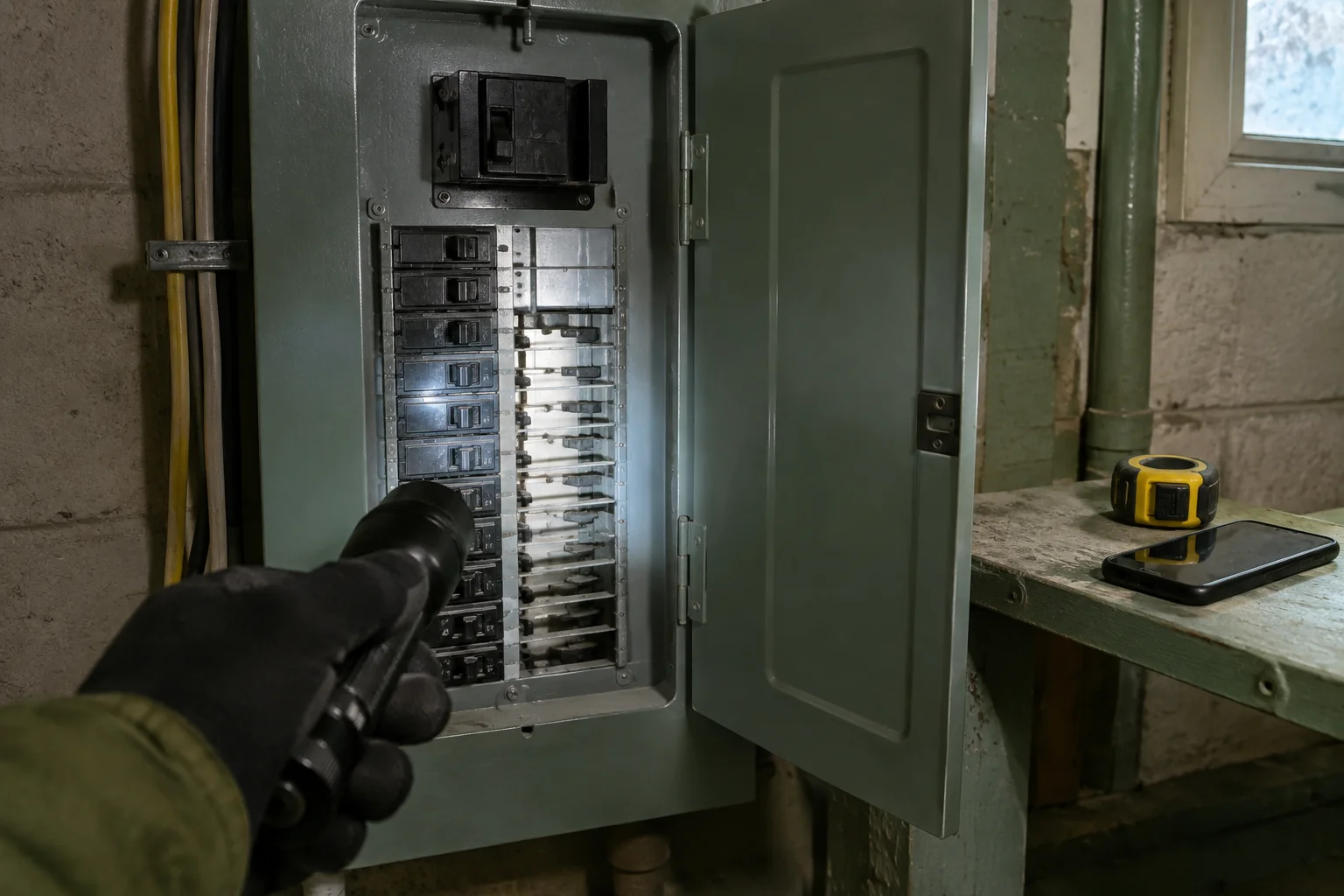
Why it matters: a solar system connects through a breaker in your panel, and electrical code limits how much generation a panel can safely accept. A small or crowded panel may need a main panel upgrade, a breaker swap or a different connection method before the system can go in.
Here is a hypothetical example. Suppose a 1960s Cape with a 100-amp panel, no open slots, and plans for a heat pump and an EV charger later. The roof is fine, but the panel is the bottleneck. A good visit surfaces that on day one so the upgrade appears in the proposal, not as a surprise after the contract.
The crew also asks where a battery or EV charger would go, since those need wall space and a short run to the panel. If you have a standby generator, tell them. It changes how a battery or the solar system is wired in, and our guide on solar panels and home generators explains the options.
Panel decision rule
- Good sign: The crew opens the panel in front of you, names what they see and tells you plainly whether an upgrade is needed.
- Walk-away sign: Nobody opens the panel, yet the quote shows a firm price. Either the price will change later or the estimate was made without looking.
- If an upgrade is needed: Ask for it as a separate line in the proposal so you can compare bids fairly.
Step 4: Photos, Measurements and Data Handoff
The crew photographs the roof faces, attic, panel interior, meter, service entrance and any obstruction, and measures roof dimensions. Good crews label every photo and check their measurements against aerial imagery. Those notes become the project record for design, permitting and installation.
This matters more than it sounds. Permit offices often want a site layout, a single-line electrical diagram and equipment spec sheets, and requirements vary by local jurisdiction, as the National Laboratory's guide to residential rooftop PV permitting and inspections notes. Sloppy site notes lead to rejected permits and redesigns.
Some towns even use photos to speed inspection. In Tewksbury, Massachusetts, the solar permit checklist says the building inspector may waive an on-site inspection if photographs demonstrate the job was done correctly. Clear photography helps at both ends of the project.
Step 5: Walkthrough of Options and Next Steps
Before leaving, the crew talks through what they found: where panels can go, how many fit, whether the roof or panel needs work first, and whether a battery or EV charger fits your goals. They should also explain financing choices and when your proposal will arrive.
Financing is worth raising at this stage. Cash, loan, prepaid lease and PPA each change who owns the system and who claims incentives. Our solar loan vs PPA vs lease comparison lays out the trade-offs, and we underwrite PPAs at a 620 FICO minimum for homeowners with less-than-perfect credit.
Do not expect a signed contract on the spot to be the goal. A fair visit ends with findings, a rough direction and a date for a written proposal.
Why Does It Matter That Our In-House W-2 Crews Handle the Visit?
When employees who install systems also assess your home, the findings reach the install team directly. Nothing is lost between a salesperson's notes and a subcontractor's schedule. You also know who to call if something looks different on install day, because the person you met is on our payroll.
Many national installers use a sales rep for the visit and a separate subcontracted crew for the build. That is a legitimate business model, but it adds a handoff. We skip it. Our in-house W-2 crews assess, install and service, which is why you can ask the person at your panel exactly how they plan to wire it.
It also supports speed. Our average install runs 47 days, and clean site notes are part of why. Our guide on how long solar installation takes from contract breaks down the timeline in detail, and in-house crew vs subcontractors covers the accountability question.
What Questions Should You Ask Before the Crew Leaves?
Ask about roof condition, whether the electrical panel needs an upgrade, how much shade will cost you in production, who pulls permits and handles the utility application, and who will be on your roof during installation. Write down the answers so you can compare them against other bids.
Each question below includes what a good answer sounds like and what should worry you:
- Will the roof last as long as the panels? Good: a specific estimate of remaining life and what you should do now. Walk away if: the answer is "it should be fine" with no inspection.
- Does my panel need an upgrade? Good: they name the panel rating and say yes or no, with the cost as its own line. Walk away if: they have not opened it.
- How much will shade reduce production? Good: a number in the proposal built from measured shade. Walk away if: the estimate ignores the tree you pointed at.
- Where will the panels, inverter and any battery go? Good: a clear sketch or markup. Walk away if: "we will figure it out on install day."
- Who handles permits and the utility application? Good: the installer does, start to finish. Walk away if: it falls on you.
- Who will be on my roof? Good: the company's own employees. Walk away if: nobody can say.
- When do I get a written proposal, and what will it list? Good: a date, equipment models and cost per watt. Walk away if: only a monthly payment is quoted.
For the longer list, use our 15 questions to ask a solar installer before you sign. It covers warranties, production guarantees and contract terms that come up after the visit.
What Happens After the Site Visit: Design, Permits and Utility Approval?
After the visit, the installer designs the system from the site notes and sends a proposal. Once you sign, the installer files a town building permit and a utility interconnection application. Installation follows approval, and you cannot switch the system on until the utility grants permission to operate.
Two tracks run side by side: the work on your home, and the paperwork with your town and your utility. The Department of Energy's consumer guide covers the same arc, from choosing an installer through inspection and connection.
Permit timing varies by town. As one Connecticut example, the Town of Bloomfield's solar permitting checklist says it makes best efforts to review solar PV applications within 30 days, and calls that typical rather than guaranteed. Ask your installer what your own town usually takes.
Your tax paperwork starts here too. Keep the signed contract, equipment list and final invoice, and see our solar tax credit and rebate paperwork guide for what to file. That also speaks to the "solar tax credit 2026" question many homeowners ask: the visit does not change eligibility, but clean documents make claiming it easier.
Connecticut, Massachusetts and Rhode Island: What Changes by State and Town?
Permits are local, so rules differ by town, and interconnection depends on your utility. Connecticut licenses solar trades, Massachusetts towns each have their own building inspector, and Rhode Island has a state grant for homeowner-owned, net-metered systems. Your installer should know the specifics for your address.
In Connecticut, you can check a contractor's credentials yourself. The state's license lookup instructions explain how to verify a license, permit or registration, and the state describes the data there as a primary source of verification. Its page on solar trades licenses and scope of work sets out what each license covers. Do this before the visit.
In Rhode Island, one 2026 summary lists a Renewable Energy Fund small-scale grant of $1.65 per watt, up to $14,500, for homeowner-owned, net-metered systems approved before installation. Confirm the current terms with your installer, since program rates change. The site visit's shade and system-size numbers feed directly into that application.
In Massachusetts, the building inspector's process differs from town to town, which is why local site photos and a clean layout help. Across all three states, snow load and winter sun angle show up in the roof and shade review. Our solar, battery and EV charger services cover homes and small businesses across the region.
What Are the Red Flags During a Solar Site Visit?
The biggest red flags are a visit that skips the roof or the panel, a price quoted on the spot or by phone, pressure to sign the same day, and vague answers about who will install. Any of these means the estimate may change after you sign.
- No roof or attic look: If the assessment was done from a satellite photo alone, ask for an in-person check before you sign.
- Panel never opened: Ask them to come back and do it. If they decline, treat the quote as provisional.
- Same-day pressure: A real proposal can wait a few days. Take the time.
- Shade waved away: Ask for the production estimate with and without the tree.
- Nobody names the install crew: This points to a subcontracted build. Ask who is on your roof and who warranties the work.
What if a check fails? A failed roof check means fix the roof first, or bundle it, and our guide to when to do a new roof before solar walks through timing. A failed panel check means price the upgrade.
Heavy shade means trim trees, switch roof faces or consider a ground mount. One thing is still open: how far a given town's inspector will go on photo-only inspections varies, and only your installer's local experience answers that.
Frequently Asked Questions
Do I need to be home for a solar site visit?
Yes, plan to be home, at least for the panel review and the closing conversation. The crew needs you to unlock access to the basement, garage or attic, and you will want to hear their findings firsthand and ask questions while they are standing at the equipment.
How long does a solar site visit take?
Most visits on a typical single-family home take around an hour or two, though larger roofs, multiple roof faces, battery plans or attic complications can stretch it. Ask your installer for the expected time when you book so you can plan the day.
Will the installer actually go on my roof?
Often yes, when the pitch and weather allow it safely. Crews may inspect from a ladder, from the ground with zoom photos, or by drone where the roof is steep or wet. Whatever the method, they should still confirm condition and framing in person.
Is there a cost for a solar site visit?
Policies differ by company, so ask when you book. Teamsun's visit is part of getting a proposal; contact us for current details. Be cautious of any firm quote that arrives without an in-person assessment of your roof and panel.
What if I already have solar and want a battery or repair?
The visit is similar, but the crew also inspects your existing inverter, wiring and equipment. We service and retrofit systems of any brand and age, so an older system installed by another company is welcome. Our battery retrofit guide explains the process.
What about removing and reinstalling panels for a new roof?
If you already have panels and need roof work, the crew checks the array, wiring and roof together during the visit and plans a shutdown, detach, reroof and remount sequence. Ask for the timing and the labor line in writing, and confirm the system will be re-commissioned afterward.
Book Your Solar Site Visit With the Crew That Will Build It
You now know what happens during a solar site visit, so you can judge whether the one you get is thorough. If you want a visit where the person at your panel is on the team that installs your system, request a free quote and we will schedule your assessment.
Prefer to talk it through first? Talk to a designer about your roof, panel and goals, or call 203-903-4091. Bring your utility bills and your questions, and we will bring the tape measure.
Recommended Resources
Written by
Dan Katzman
Teamsun
Teamsun writes practical solar guidance to help property owners compare equipment, project scope, costs, and long-term service before making a decision.
Keep going.
Can Solar Panels Be Installed During a New England Winter?
Solar panel installation during winter is possible in CT, MA and RI. See how crews handle snow and ice, and how a winter start affects your time to power-on.
Dan Katzman
Teamsun
Commercial Solar for Warehouse Rooftop Owners
Commercial solar for warehouse rooftop owners: roof load limits, interconnection timelines, and financing for 25kW-500kW systems before you sign a contract.
Dan Katzman
Teamsun
Solar Installer vs Dealer Network: What's the Difference?
Solar installer vs solar dealer network: learn how national brands subcontract installs, why that affects warranty service, and how to spot the difference.
Dan Katzman
Teamsun