5 Signs Your Roof Needs Replacing Before Solar Goes On
Five clear signs your roof needs replacing before solar goes on, from shingle age to flashing, plus a decision rule for Connecticut homeowners.
Dan Katzman
Teamsun
Replace your roof before solar if the shingles are around 15 years old or more, the flashing is failing, the roof leaks, the shingles are curling or shedding granules, or the decking sags. Any one of these signs means the roof may not outlast the panels. Here is how to check each one on a Connecticut home.
Key Takeaways
- Age rule: an asphalt roof near 15 years old is a strong candidate for replacement before panels go on.
- Remaining life: if the roof has under 10 to 12 years left, re-roof first; with 15+ years left, install and plan to re-roof when panels come off.
- Water damage: leaks, stained ceilings and soft decking should be fixed before any penetration is made.
- Coordination: a solar+roofing bundle puts one schedule and one accountable crew on both jobs.
Quick Facts: Roof Signs at a Glance
| Sign | Where to look | Replace first? |
|---|---|---|
| 1. Shingles about 15+ years old | Permit records, past invoices | Usually yes |
| 2. Corroded or lifted flashing | Chimney, vents, valleys, walls | Repair if isolated; replace if widespread |
| 3. Leaks or stains | Attic underside, ceilings | Yes, fix cause first |
| 4. Curling, cracks, granule loss | Shingle surface, gutters | Yes if widespread |
| 5. Sagging or soft decking | Roofline, attic rafters | Yes, structural |
Why Does the Roof Matter Before Solar?
Solar panels sit on your roof for 25 years or more, so the roof underneath must last as long. If it fails early, the array must be removed and reinstalled so the roof can be repaired, which adds cost and downtime.
The Department of Energy notes that an average of 2.3 million single-family detached homes a year will need a roof replacement over the next decade, which is why it calls re-roofing a good moment to add solar. A federal commercial rooftop solar FAQ says installers assess the roof and, if it will need replacing during the system's life, owners are encouraged to replace it first.
Our crews work across Connecticut, Massachusetts and Rhode Island, where freeze-thaw cycles and heavy snow punish weak roofs. That makes the checks below worth doing honestly.
1. Shingles Are 15+ Years Old
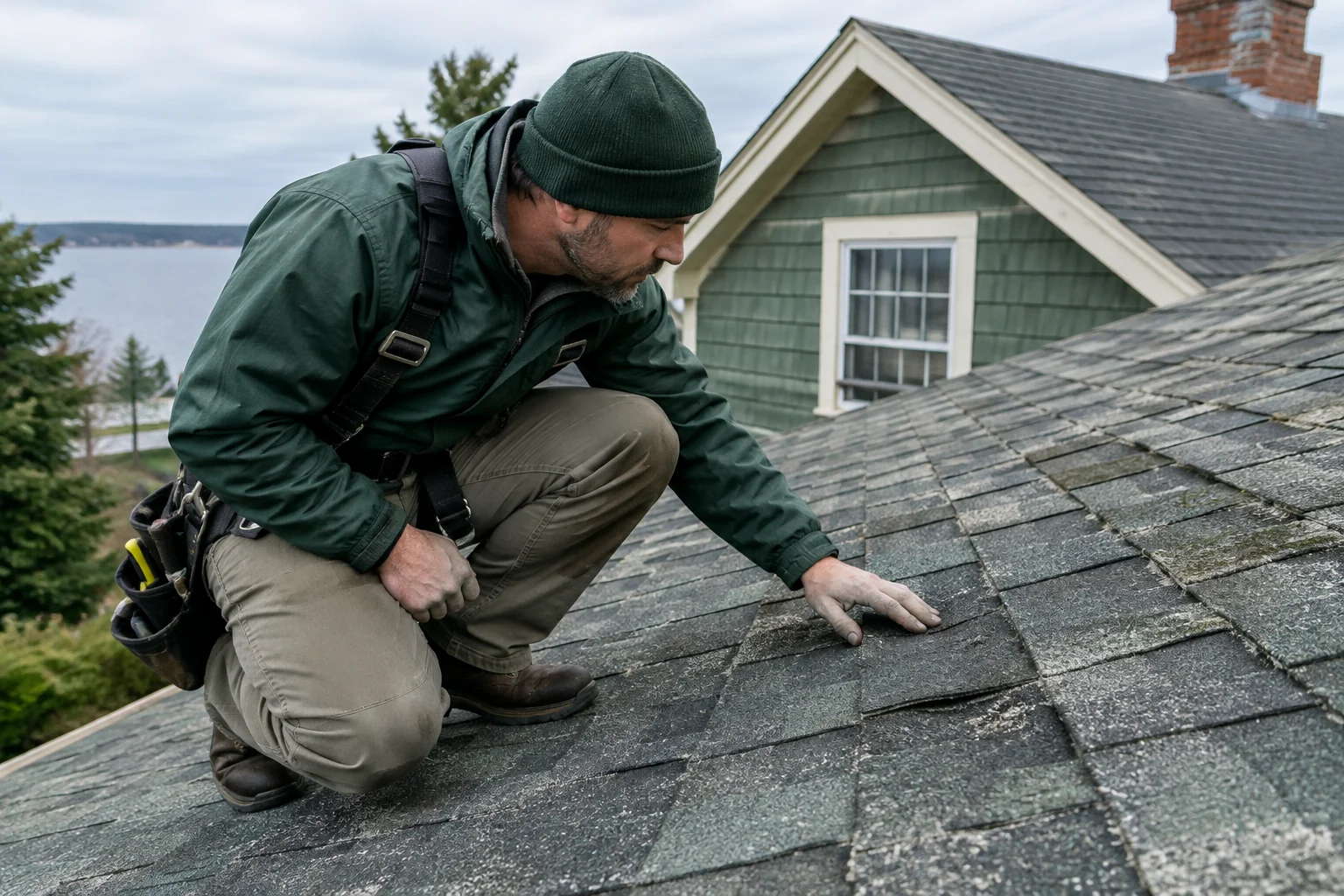
Age is the fastest screen. An asphalt shingle roof around 15 years old is usually a candidate for replacement before solar, because it likely has too little life left to match the panels.
There is no hard cutoff. One industry rule of thumb says a roof with fewer than 10 to 12 years left should be replaced first, while one with 15 or more years left can host panels, with a re-roof planned when panels come off around year 25 to 30. Treat these as guidance, not code.
Find your roof's age from the closing documents, a past invoice, or the town building permit file. If you cannot find it, have an installer inspect it.
2. Flashing Is Corroded or Failing
Flashing is the metal that seals joints around chimneys, vents, valleys and walls. Rust, gaps, lifted edges or dried sealant mean water has a path in, and solar mounts add many new penetrations nearby.
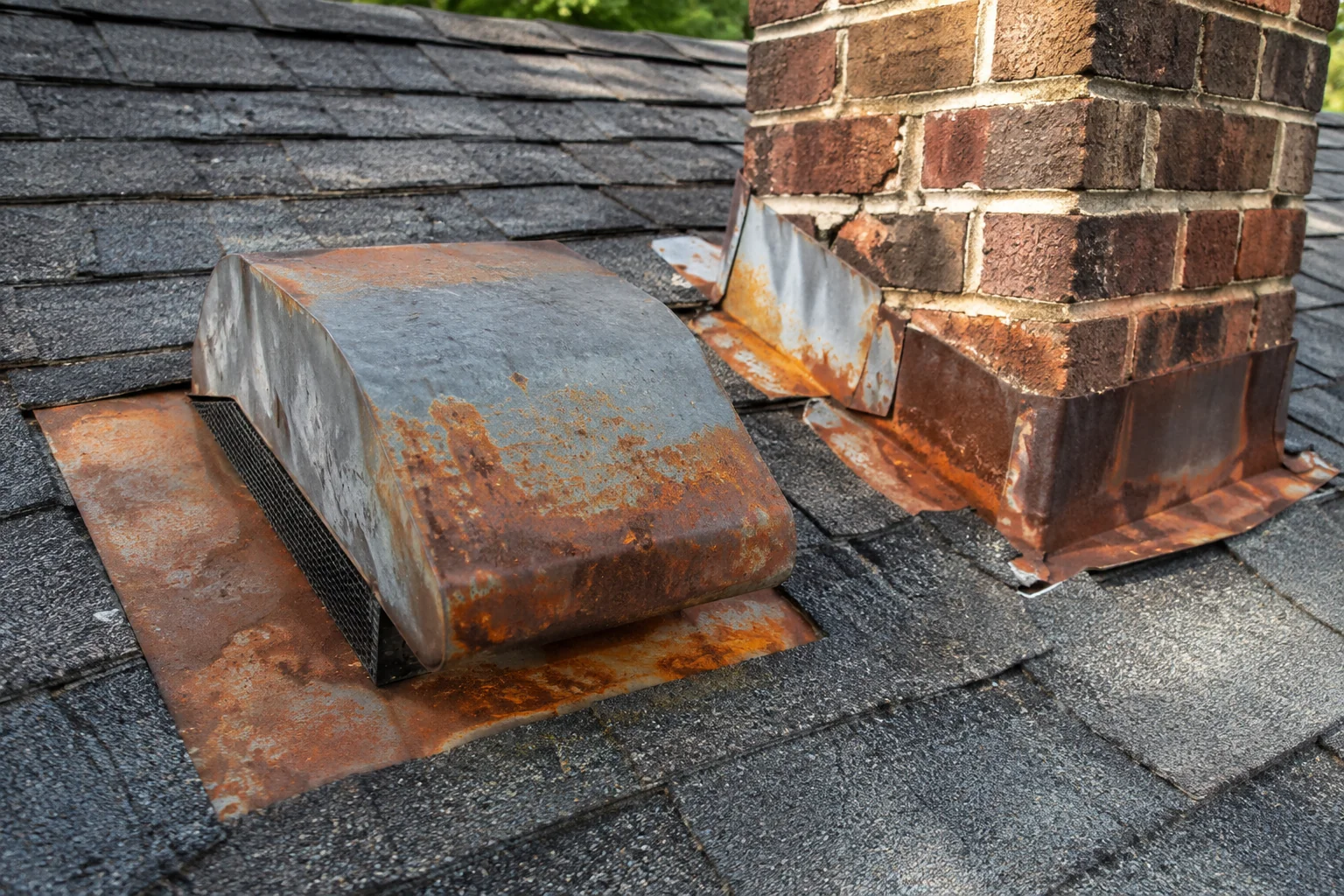
Isolated flashing can be repaired cheaply. Widespread failure on an older roof tells you the whole system is tired. Fixing it later means lifting panels, so settle it now.
Ask the installer how each mount is flashed and who warrants the seal. Our guide to questions to ask a solar installer covers that conversation.
3. Active Leaks or Water Stains
Brown ceiling stains, damp insulation, or daylight in the attic are blunt signals. Drilling more holes into a roof that already leaks is a bad idea.
Go into the attic after a rain or thaw with a flashlight. Look at the underside of the sheathing around chimneys and vents. Dark streaks, mold or rusted nail tips point to repeated moisture. Find and fix the source before any panel goes up.
4. Granule Loss, Curling or Cracked Shingles
Look at the shingle surface and at your gutters. A pile of grit in the downspout, bald patches, curled corners and cracked tabs all show the asphalt is breaking down.
A few damaged shingles can be swapped. Widespread wear, especially on the south-facing slopes where panels will go, argues for a full replacement. Those slopes also take the most sun, so they age fastest.
5. Sagging or Soft Decking
Stand back from the house and sight along the ridge and eaves. Dips, waves or a spongy feel underfoot suggest damaged decking or framing. New England snow loads make this a real concern.
Structural issues are not a cosmetic fix. Repair the framing, then re-roof, then mount the array. Panels add weight, and a questionable structure should be checked by a qualified professional first.
How Do You Decide: Replace or Install As-Is?
Use the remaining-life rule: if the roof has fewer than 10 to 12 years left, or shows any of the five signs widely, replace it first. If it has 15 or more good years left, install solar and re-roof later.
Here is a hypothetical example. A homeowner in Hartford has a 14-year-old roof with sound decking and healthy flashing. It likely has some years left, but not 25. Replacing now costs less than removing and resetting panels later, so we would lean toward re-roofing first. If the same roof were 6 years old, we would install as-is.
The gray zone is a roof at 10 to 14 years with no visible damage. Experts disagree on the exact call, so get a written inspection rather than guessing. Our related posts on solar on an old roof and adding panels without a full re-roof go deeper.
Quick checklist
- Do I know the roof's install year?
- Is flashing intact at every penetration?
- Is the attic dry with no stains?
- Are shingles flat, with granules intact?
- Is the roofline straight and the deck firm?
How Solar+Roofing Bundles Simplify Coordination
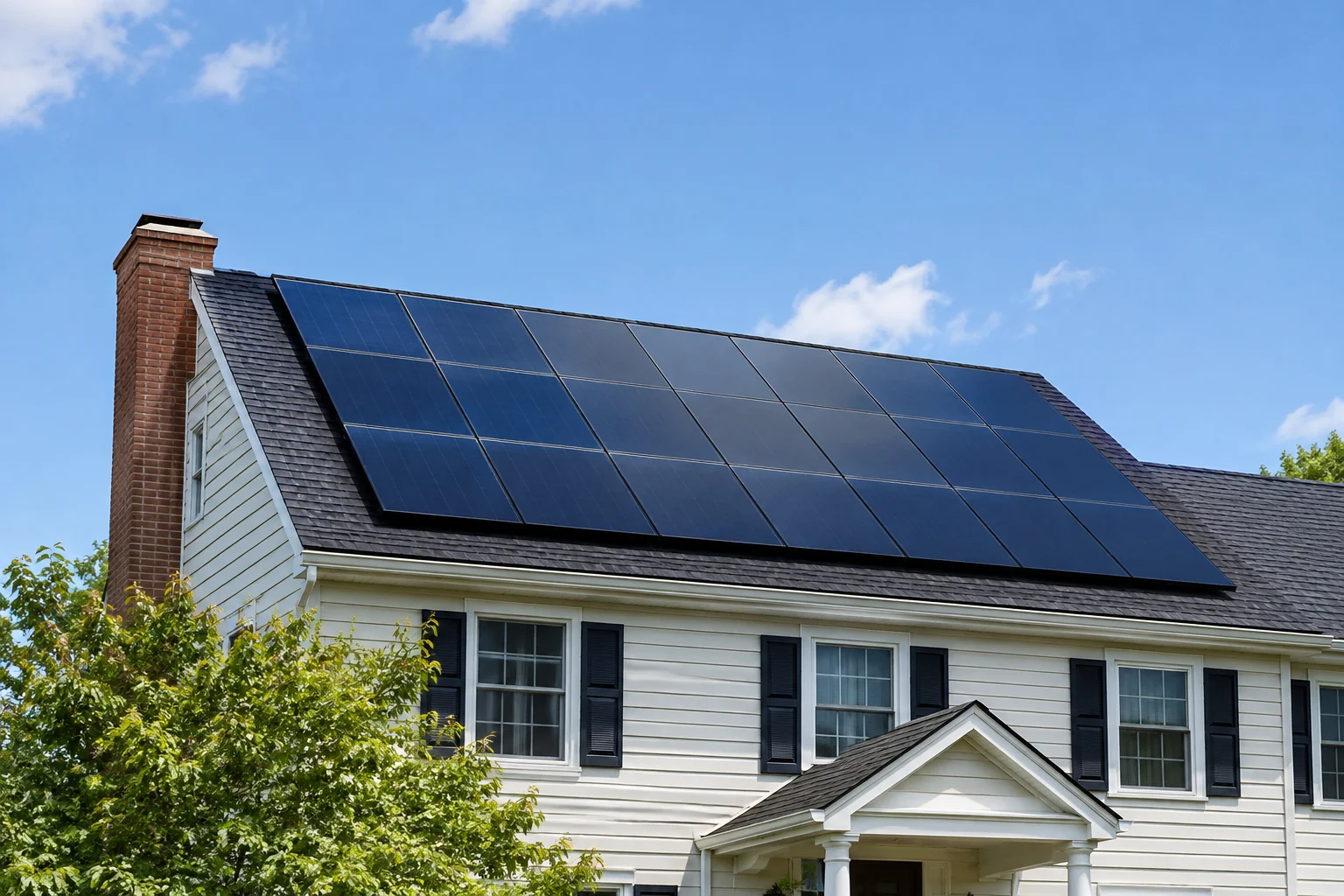
The usual headache is two contractors, two schedules and a gap where each blames the other for a leak. A bundle puts one company in charge of both, so the roof is finished and the mounts go on right after.
Teamsun uses in-house W-2 crews rather than subcontractors, and our average install timeline is 47 days. For pricing context, see our solar plus roofing bundle cost breakdown. We have not published a fixed price here because it depends on roof size and condition.
FAQ
Can I install solar on a roof with a few damaged shingles?
Yes, if the damage is limited and the rest of the roof has plenty of life. The damaged shingles should be replaced before mounting begins so the repair is not hidden under panels.
Does a new roof delay the solar project?
It adds a step, but a bundled project schedules both together. Our guide to solar installation timelines explains the stages.
Who should inspect my roof?
A roofer or solar installer who will put their name on the assessment. Ask for it in writing.
Get a Roof Check Before You Commit
If you saw even one of these signs, get answers before signing a solar contract. Request a free quote and we will assess your roof alongside the system design. You can also talk to a designer, explore our services, or call 203-903-4091.
Recommended Resources
Written by
Dan Katzman
Teamsun
Teamsun writes practical solar guidance to help property owners compare equipment, project scope, costs, and long-term service before making a decision.
Keep going.
Can I Add Solar Panels Without Replacing My Whole Roof?
Can I add solar panels without replacing my whole roof? Learn what inspectors check — shingle age, decking, flashing — to avoid costly mistakes.
Dan Katzman
Teamsun
Need a New Roof? When to Do It Before Solar
Learn when to replace your roof before solar installation, how to check roof age and condition, and how Teamsun bundles solar plus roofing with one crew.
Dan Katzman
Teamsun
Solar on an Old Roof? What to Do Before You Install
Thinking about solar panels for a home with poor roof condition? Learn how to check roof health first and avoid costly teardowns later.
Dan Katzman
Teamsun