Need a New Roof? When to Do It Before Solar
Learn when to replace your roof before solar installation, how to check roof age and condition, and how Teamsun bundles solar plus roofing with one crew.
Dan Katzman
Teamsun
Replace your roof before solar if it has less than 10-15 years of usable life left, since pulling panels off later to redo shingles typically costs $2,000-$5,000 in extra labor. Getting solar panels before roof replacement timing right the first time saves money and keeps your project on schedule instead of stalling it midway.
Key Takeaways
- 10-15 year rule: If your roof has less than 10-15 years of remaining life, replace it before solar goes on, not after.
- Removal costs add up: Taking panels down and reinstalling them for a later roof job typically runs $2,000-$5,000 depending on system size.
- One crew beats two: Coordinating a separate roofer and solar installer often adds weeks to a timeline and creates warranty finger-pointing over leaks.
- Bundled financing exists: Roof and solar costs can often be rolled into one loan or PPA instead of two separate bills.
- Teamsun's in-house model: Teamsun uses one W-2 crew for both trades, averaging a 47-day install timeline from contract to power-on.
At a Glance: Roof Replacement vs Solar Timing
| Roof Condition | Remaining Roof Life | Recommended Action | Estimated Added Cost If Skipped |
|---|---|---|---|
| New roof (0-5 years old) | 20+ years | Install solar directly | None |
| Mid-age roof (6-12 years) | 10-19 years | Inspect closely; often safe to proceed | None to minimal |
| Aging roof (13-18 years) | 5-10 years | Replace roof before solar install | $2,000-$5,000 later removal/reinstall |
| Old roof (19+ years, asphalt) | 0-5 years | Replace roof first, no exceptions | $3,000-$6,000+ plus lost production time |
| Metal roof (any age under 30 years) | Often 20-40 years | Usually fine to install solar directly | Rare |
| Roof with active leaks or sagging | Unknown, likely compromised | Replace or repair before any solar work | Water damage risk, voided warranties |
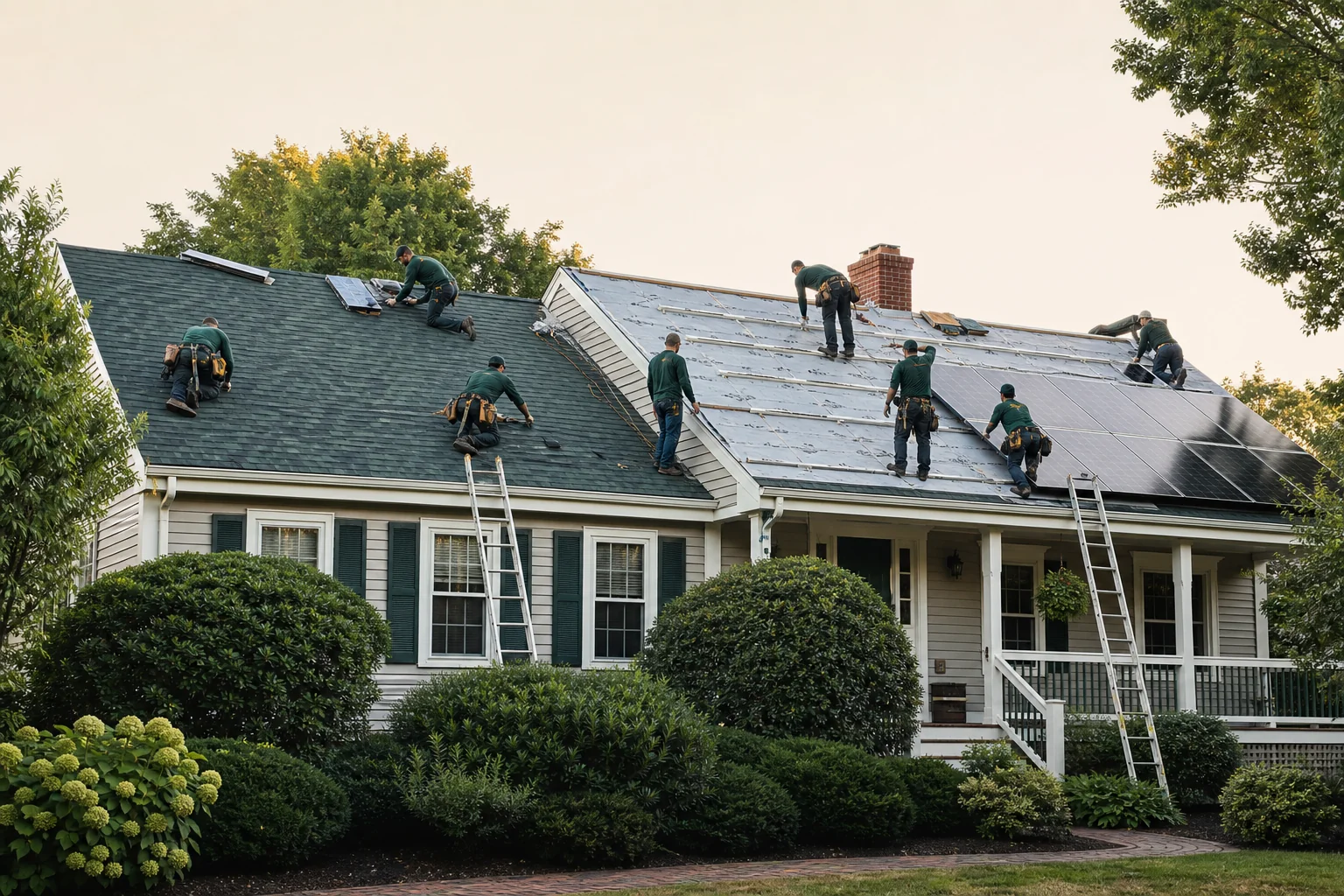
1. Why Roof Timing Matters Before You Go Solar
Solar panels are built to last 25 to 30 years. Asphalt shingles usually last 20 to 25 years. That mismatch is the whole problem. If you install solar on a roof that's already 15 years old, you're likely to need a roof replacement while the panels are still producing power, and that means paying someone to remove the array, replace the roof, and put everything back.
This isn't a rare edge case. It's one of the most common surprises homeowners run into a decade after going solar. A roof that looked fine at install time can develop problems well before the panels reach the end of their warranty. Planning the sequence correctly at the start avoids that headache entirely.
There's also a practical inspection issue. Most solar installers, including Teamsun, will flag roof condition during the site assessment. If your roof doesn't pass, the project can stall right there, sometimes for weeks, while you scramble to find a roofer and get a second timeline going.
2. Check These 5 Things on Your Roof Before Solar Goes On
Before signing a solar contract, walk your property and check these items, or ask your installer to document them during the site visit:
- Roof age versus material lifespan: Asphalt shingle roofs run 20-25 years, architectural shingles closer to 30, and metal roofs 40-70 years. Know which category yours falls into.
- Visible wear: Curling shingle edges, missing granules, or bald patches signal a roof nearing the end of its service life.
- Attic water stains or active leaks: Any sign of moisture intrusion should be addressed before panels go on, not after.
- Structural sagging: A roof deck that sags between rafters may need reinforcement before it can carry racking and panel weight.
- Local permitting rules: Connecticut, Massachusetts, and Rhode Island each have their own building code requirements for roof penetrations and structural load, and your municipality may require documentation of roof condition as part of the solar permit.
If two or more of these items raise concerns, it's worth getting a second opinion from a roofer, even if your solar company says the roof will "probably be fine." Probably isn't a warranty.
3. The Rule of Thumb: Remaining Roof Life vs Panel Warranty
Here's a simple way to think about it: compare your roof's remaining useful life to your solar panel warranty, which is typically 25 years. If your roof has at least 10-15 years left, most installers will move forward with solar directly. If it has less, the smarter move is to replace the roof first, even though it feels like an extra upfront cost.
Why 10-15 years and not 25? Because removing and reinstalling a solar array isn't something you're forced into the moment your roof warranty ends. Many homeowners get a few extra years out of an aging roof, and by the time it truly needs replacing, they've already gotten a decade of savings from their solar system. The math still works out in most cases, as long as you go in with eyes open about the eventual removal cost.
That removal-and-reinstall cost is the number most homeowners underestimate. Depending on system size, it can run $2,000 to $5,000, sometimes more for larger arrays or steep roof pitches. That's money spent purely on logistics, not on anything that improves your system's output. Avoiding it, or at least planning for it, is the entire point of getting the sequencing right.
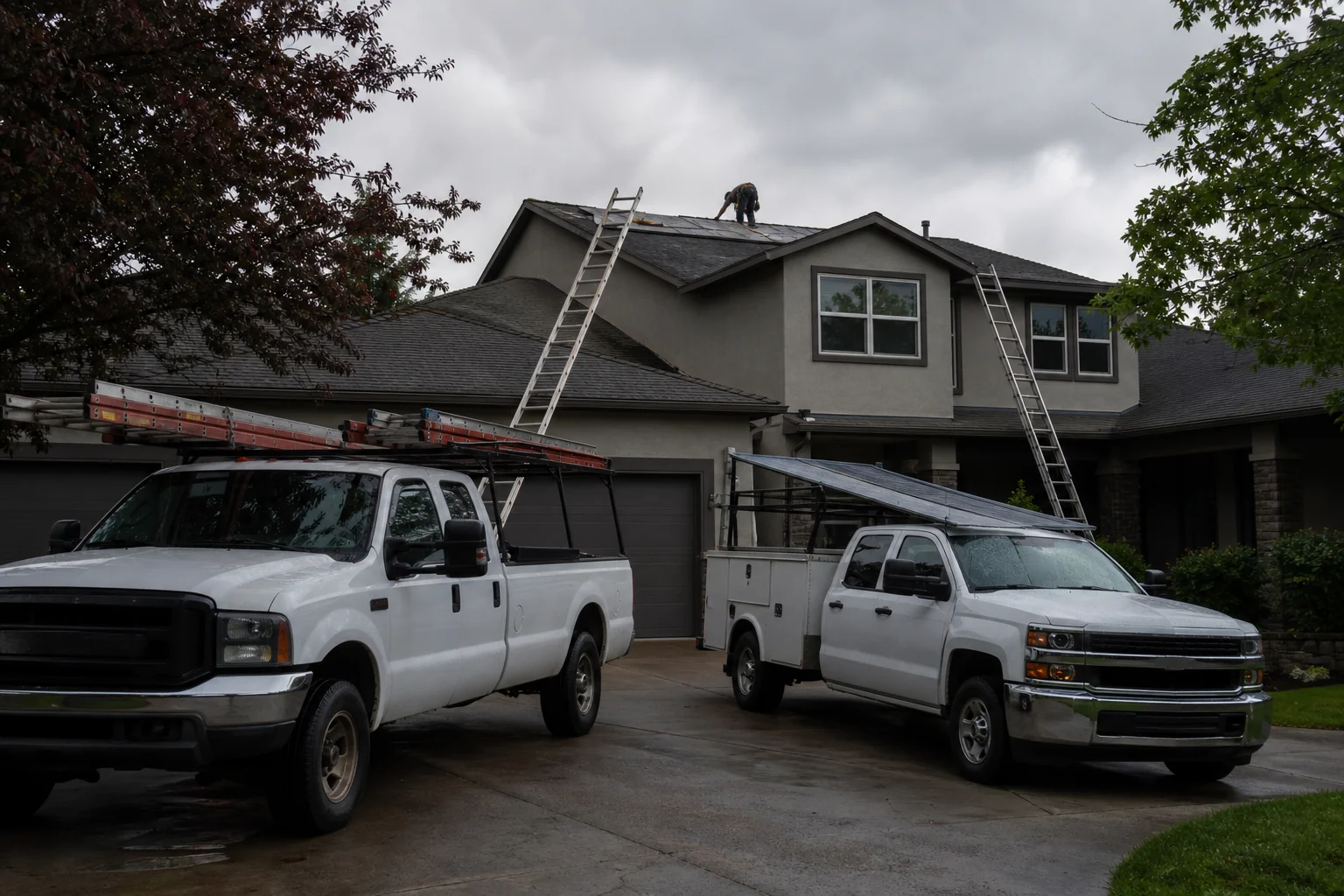
4. Why Juggling Two Separate Contractors Creates Delays and Finger-Pointing
Hiring a roofer and a solar installer as two separate companies sounds simple in theory. In practice, it creates three recurring problems.
First, scheduling. Roofers and solar crews rarely share a calendar. Coordinating so the roof gets finished right before the solar crew arrives, without weeks of dead time in between, takes constant back-and-forth phone calls that homeowners end up managing themselves.
Second, warranty disputes. If a leak shows up two years after installation, who's responsible: the roofer who installed the shingles, or the solar company that drilled mounting penetrations through them? With two separate companies, you can spend weeks getting each side to point at the other before anyone actually fixes the problem.
Third, accountability gaps. National solar companies frequently rely on subcontractor networks rather than direct employees, which multiplies the number of parties involved and dilutes who's actually on the hook when something goes wrong. If you want to understand how that structure compares to a direct-employment model, our guide on solar battery retrofits touches on similar accountability questions when it comes to servicing systems installed by someone else.
5. How Teamsun Bundles Solar and Roofing With One In-House Crew
Teamsun handles this differently. Instead of subcontracting roofing work out to a third party, Teamsun uses one in-house W-2 crew trained in both trades. That means the same team that replaces your shingles also installs your racking, panels, and electrical work, on one coordinated schedule, under one warranty, with one point of contact.
This matters for three practical reasons. There's no handoff between companies, so nothing gets lost in translation about where flashing needs to go or how many penetrations the roof can handle. There's no waiting for a second contractor's availability once the roof work wraps up. And if anything ever needs service, whether that's a leak around a mounting point or a question about your system years later, you're calling the same company that did the original install, not trying to figure out which of two contractors is responsible.
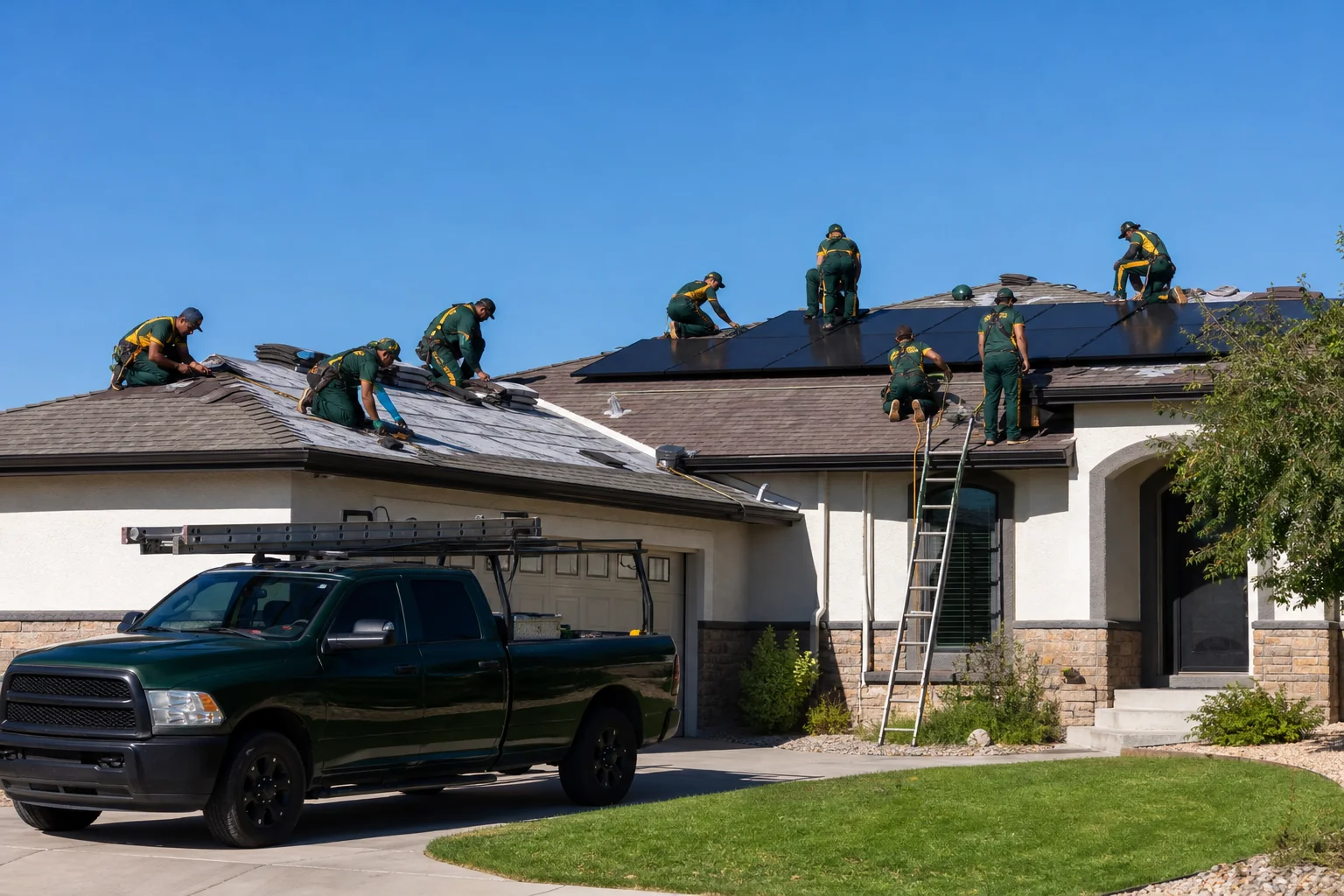
Teamsun's average timeline from signed contract to power-on is 47 days, a number that reflects the efficiency of not having to coordinate between separate companies. Compare that to national installers like Sunrun or dealer-network models like Trinity Solar, where subcontractor scheduling can stretch a combined roof-and-solar project out considerably longer. Local ownership also means decisions about scheduling and problem-solving happen without corporate layers slowing things down. You can explore Teamsun's full list of services to see how solar, roofing, battery, and EV charger installs fit together under one roof, literally.
6. What the Solar Plus Roofing Timeline Looks Like
A combined project generally follows this sequence:
- Site assessment and roof inspection: The crew evaluates roof age, material, structural condition, and shading before designing the system.
- Roof replacement, if needed: New shingles or roofing material go down first, sized and installed to accommodate future racking points.
- Permitting overlap: Because one company handles both trades, roofing and solar permits can often be filed together rather than sequentially, cutting down dead time waiting on municipal approvals.
- Panel installation: Racking, panels, inverters, and wiring go in once the new roof is ready.
- Utility interconnection and inspection: Final utility sign-off and inspection complete the process before the system is switched on.
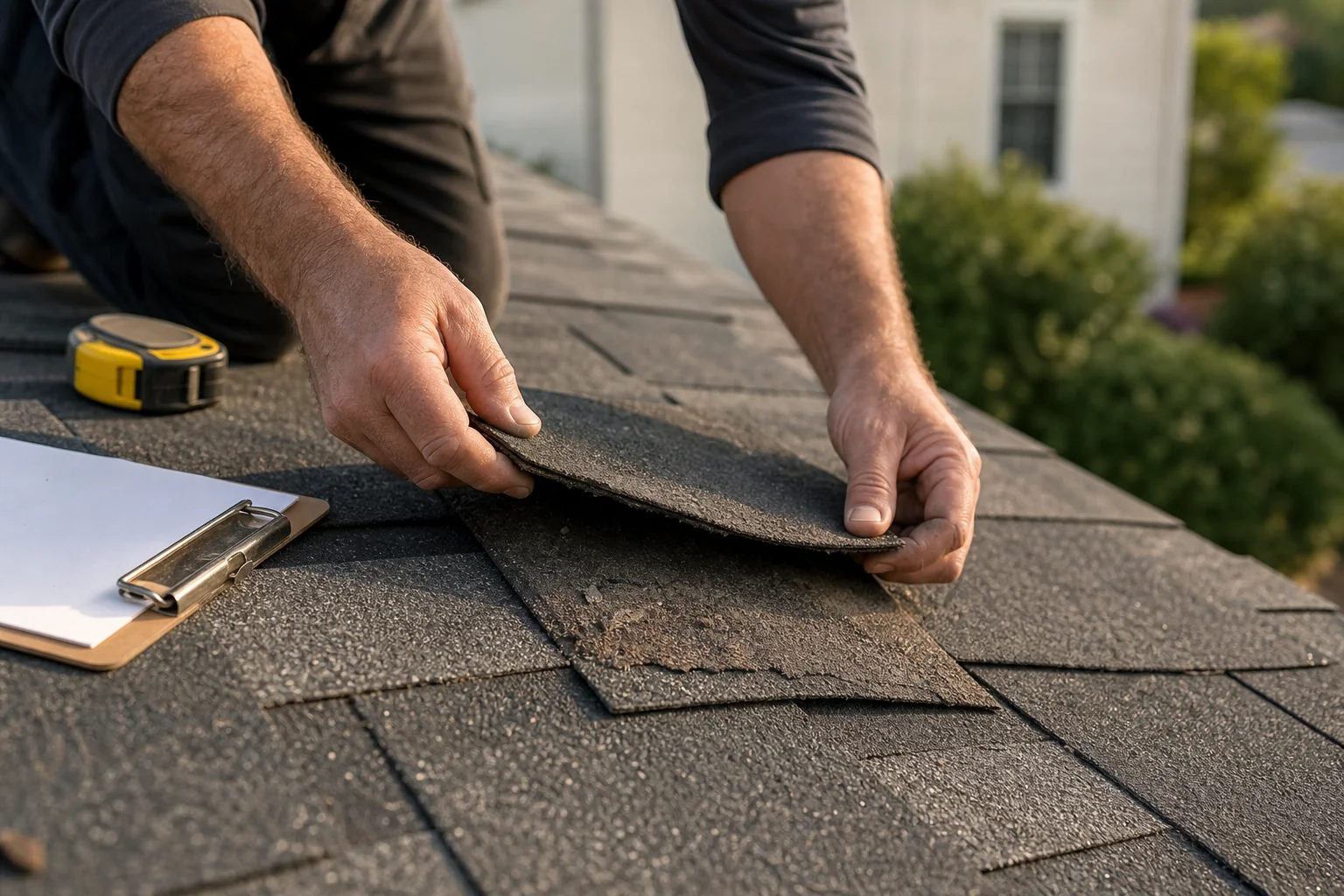
For homeowners who don't need a roof replacement, this timeline shortens considerably since it skips straight to panel design and permitting. If you're unsure whether your project needs to go through this full sequence, a conversation with a Teamsun designer during the site visit will tell you quickly, based on the actual condition of your roof rather than guesswork.
7. Financing Both Projects Together
One advantage of bundling roof and solar work under one company is that the financing can be bundled too. Rather than taking out a separate roofing loan and a separate solar loan, or paying cash for one and financing the other, homeowners can often roll both costs into a single loan, prepaid lease, or power purchase agreement.
Teamsun offers financing through cash purchase, solar loans, PPAs with a 620 FICO minimum, and prepaid leases, which opens the door for homeowners who might get turned away by lenders requiring higher credit scores. That underwriting flexibility matters even more when a roof replacement is part of the package, since it raises the total project cost. If you want specifics on how a combined project is priced, request a free quote and get a breakdown based on your actual roof condition and system size, not a generic estimate.
Frequently Asked Questions
Does solar installation void my roof warranty?
It can, depending on the roofing manufacturer and who performs the penetrations. Many roofing warranties require that any roof-related work, including flashing around solar mounts, be done by a licensed roofer. This is one reason having one company handle both trades reduces risk: there's no ambiguity about who installed what.
Can I just repair flashing instead of replacing the whole roof?
Sometimes, if the roof is otherwise in good shape and only has isolated wear near planned mounting points. But if the roof is within 5-10 years of the end of its expected life, a full replacement usually makes more financial sense than paying for solar removal and reinstallation later.
Does Teamsun handle permits for both the roof and the solar system?
Yes. Because Teamsun's in-house crew manages both trades, permitting for roofing and solar work can often be filed and processed together, which is one of the reasons the average project timeline runs around 47 days from contract to power-on.
What happens if my roof fails inspection after panels are already installed?
This is the exact scenario the 10-15 year rule is meant to prevent. If it happens, the panels typically need to be removed, the roof replaced, and the array reinstalled, adding both cost and time. Getting a thorough roof assessment before signing a solar contract is the best way to avoid this.
How do I know if my roof qualifies for direct solar installation?
A site visit and roof inspection will answer this definitively. Age, material, visible wear, and attic condition all factor in. If you're not sure where your roof stands, call 203-903-4091 to schedule an assessment.
Getting solar panels before roof replacement timing right isn't complicated once you know what to check: roof age, remaining life, visible wear, and whether one company or two is going to manage the work. Skipping that assessment is how homeowners end up paying twice. Teamsun's in-house crew handles both roofing and solar under one roof, one schedule, and one warranty, so you're not left coordinating between contractors or wondering who's responsible if something goes wrong. Request a free quote today and find out exactly where your roof stands before your solar project begins.
Written by
Dan Katzman
Teamsun
Teamsun writes practical solar guidance to help property owners compare equipment, project scope, costs, and long-term service before making a decision.
Keep going.
When Should You Upgrade an Older Solar System?
Signs it's time for a solar system upgrade for older panels, from declining output to inverter age. Learn what Teamsun checks before recommending changes.
Dan Katzman
Teamsun
Tesla Powerwall vs FranklinWH: Which Battery Wins in 2026?
Tesla Powerwall vs FranklinWH battery: compare capacity, backup power, warranty, and cost to find the right storage system for your CT, MA, or RI home.
Dan Katzman
Teamsun