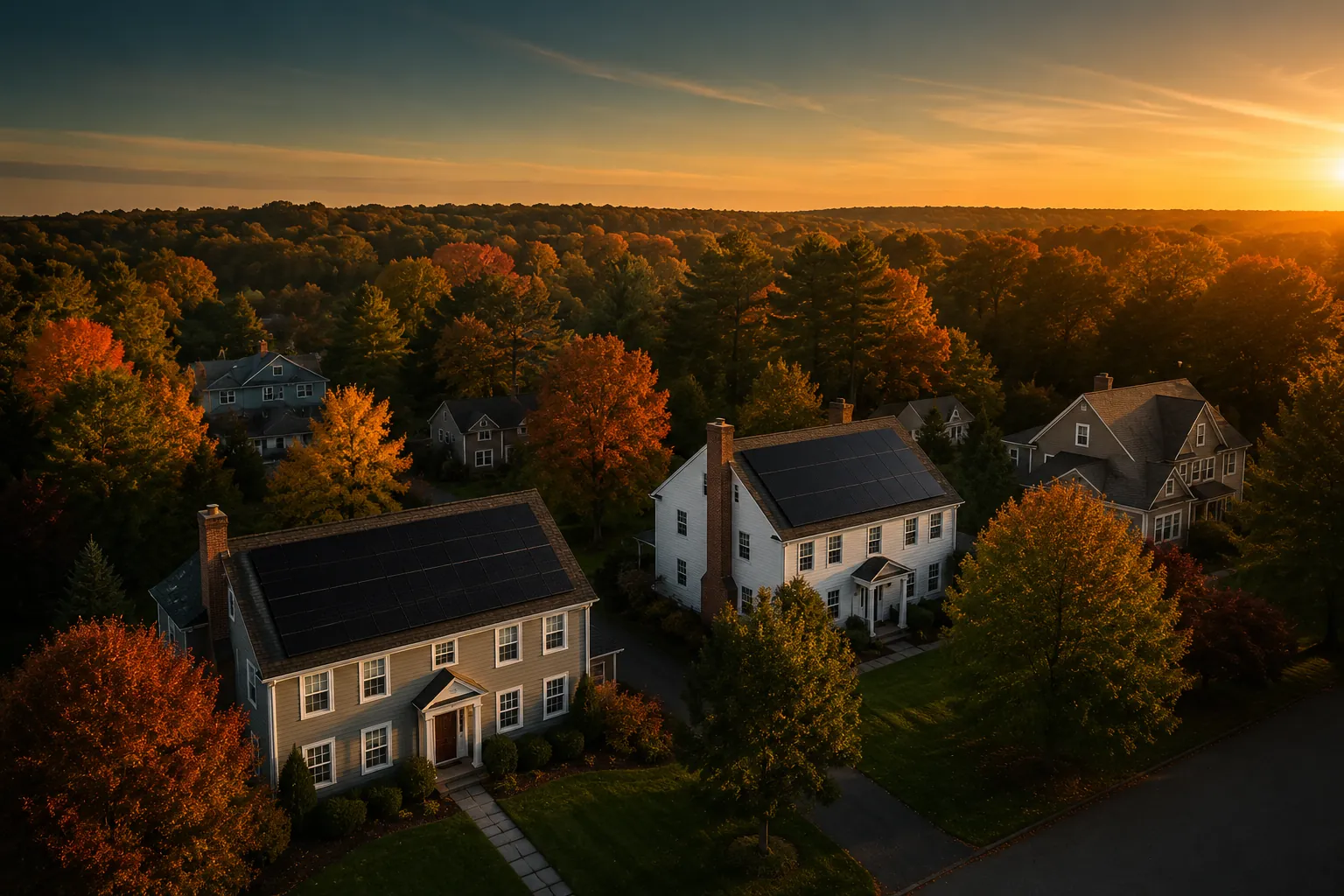
Can I Add Solar Panels Without Replacing My Whole Roof?
Can I add solar panels without replacing my whole roof? Learn what inspectors check — shingle age, decking, flashing — to avoid costly mistakes.
Dan Katzman
Teamsun
Most homeowners can add solar panels without replacing the whole roof, as long as the roof has at least 15 to 20 years of usable life left and the decking underneath is solid. The real test isn't shingle color or curb appeal. It's whether the roof will outlast the solar array sitting on top of it, which installers now expect to run 25 to 30 years.
Key Takeaways
- Age threshold: A roof within its last 5 to 10 years of service life should usually be replaced first, not after solar goes on.
- Decking matters more than shingles: Rotten or soft decking under a solar array fails an inspection even if the shingles look fine from the ground.
- Removal is expensive: A mid-life detach-and-reset to fix a roof under an existing array runs roughly $150 to $350 per panel, which can mean thousands of dollars on an 8kW system.
- Overclad and metal roofs can qualify: Solar can go on refurbished, overclad, or metal roofs when the structure handles the added load, but it requires a structural check first.
- Bundling saves a permit cycle: Replacing a roof and installing solar in one project avoids paying for labor twice and often moves faster than two separate jobs.
At a Glance: Roof Condition vs. Solar Readiness
| Roof Condition | Shingle Age | Solar Recommendation | Typical Next Step |
|---|---|---|---|
| New or recently replaced | 0-10 years | Install solar now | Standard mount, no roof work needed |
| Mid-life, good condition | 10-15 years | Inspect decking and flashing first | Minor repairs if flagged, then install |
| Aging, borderline | 15-20 years | Get a full roof inspection before quoting solar | Replace vulnerable sections or full roof |
| Near end of life | 20+ years | Replace roof before solar | Bundle roofing and solar into one project |
| Overclad or metal | Varies | Structural review required | Engineer sign-off, then install |
What Determines Whether You Need a New Roof Before Solar
An installer isn't guessing when they tell you a roof is or isn't ready for solar. They're checking three specific things: shingle age, decking condition, and flashing integrity. Each one answers a different question about how the roof will hold up once panels and mounting hardware are bolted into it.
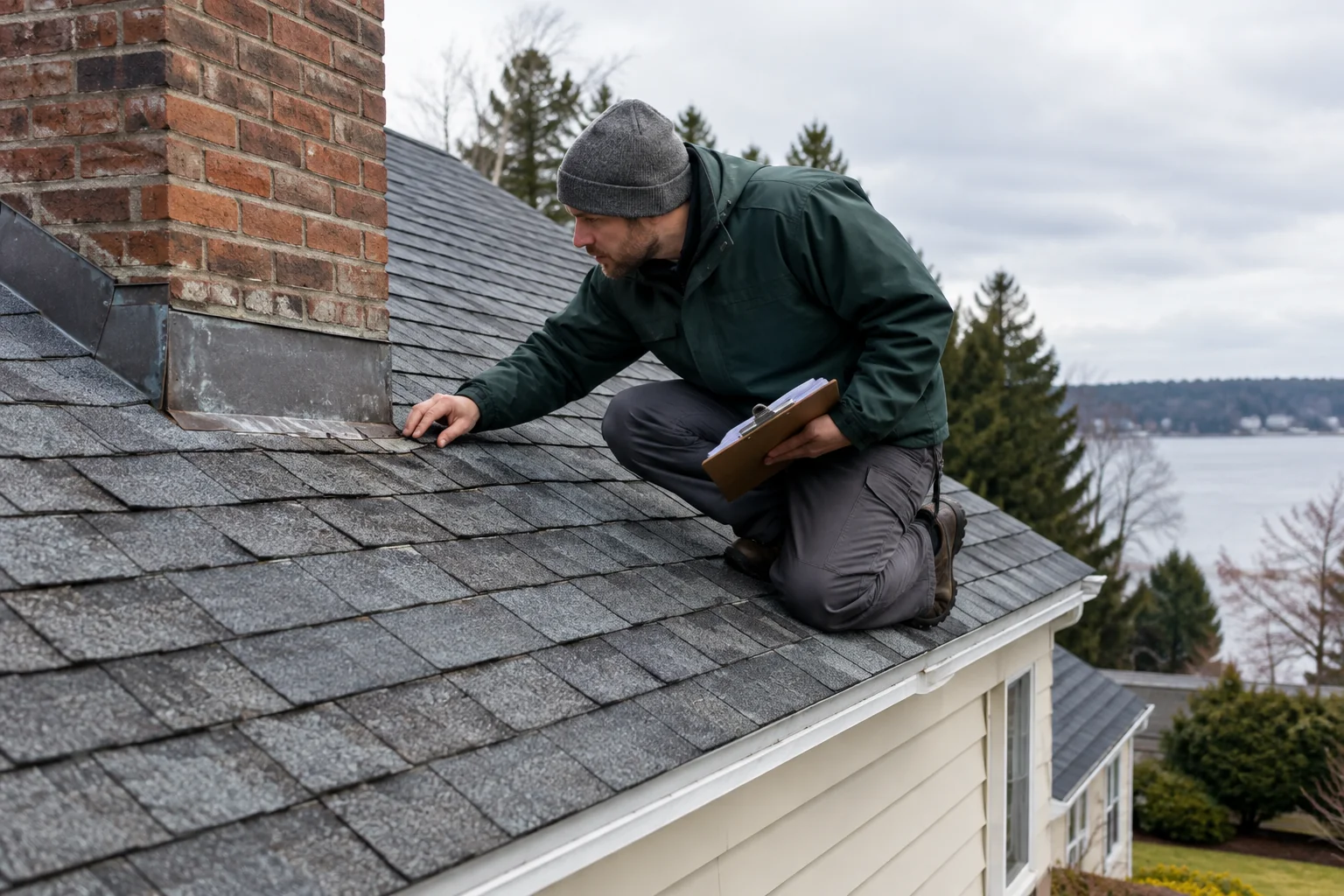
The underlying logic is simple. Solar panels are built to last 25 to 30 years, and the mounts that hold them penetrate the roofing membrane. If the roof underneath doesn't have that much life left, you're setting up a future project where panels have to come off, the roof gets fixed, and panels go back on. That's the scenario every inspector is trying to help you avoid.
There's no single law that sets a maximum roof age for solar. Every installer sets its own threshold based on the roofing material, the climate, and how the last reroof was documented. That's exactly why you need an actual inspection instead of guessing from the shingle brand or the year the house was built.
1. Check Your Shingle Age First
Shingle age is the fastest screening check, and it's where most roof-versus-solar conversations start. Asphalt shingles typically run a 20 to 30 year service life, and a roof already in its last 5 to 10 years of that window usually makes more sense to replace before solar goes on.
That rule of thumb holds up across multiple sources looking at this exact question. One roofing resource puts it plainly: a roof should generally be under about 15 years old to take solar without a replacement first. Another frames it the same way from the installer's side, flagging roofs older than 15 to 20 years as candidates for replacement before panels go on, especially if shingles or flashing look due within five years.
Shingle age alone doesn't tell the whole story, though. A 12-year-old roof in a shaded, mild climate can outperform an 8-year-old roof that's taken a beating from ice dams and wind-driven rain. That's why a physical inspection beats a calendar guess every time.
2. Have an Inspector Look at the Decking
Decking is the wood layer under your shingles, and it's where solar mounting lag bolts actually anchor. An inspector checks for soft spots, water staining, delamination, and sagging between rafters, because none of that shows up from the ground or in a drone photo.
Rotten decking is a dealbreaker regardless of how new the shingles on top look. A re-shingle job sometimes gets laid directly over old decking without anyone checking what's underneath, which means a roof can look brand new and still fail a structural check for solar mounts.
This is also the step homeowners skip most often when they try to save money on an inspection. Don't. A lag bolt driven into compromised decking is a leak waiting for the next heavy rain, and it's a much costlier fix once panels are already in place.
3. Check the Flashing Around Penetrations
Flashing is the metal barrier around chimneys, vents, skylights, and roof valleys that keeps water from working its way under the shingles. Inspectors pay close attention here because flashing failures are the most common source of roof leaks, solar or no solar.
Adding solar racking means adding more roof penetrations, each one needing its own flashing and sealant. If the existing flashing around other features is already failing, that's a signal the whole roof may be nearing the end of its service window, not just the areas solar will touch directly.
A good inspector will flag flashing issues even when shingles and decking pass. Fixing flashing is usually far cheaper than a full reroof, so this is often the difference between "install solar now" and "replace the whole roof first."
What Happens If You Install Solar on a Roof That Needs Work Soon
Installing solar on a roof that needs replacement within the next five years means paying for a detach-and-reset later, and that bill typically runs $150 to $350 per panel, pushing a standard 20-panel system into the thousands. That's money spent moving panels off, fixing the roof, and putting the same panels back on.
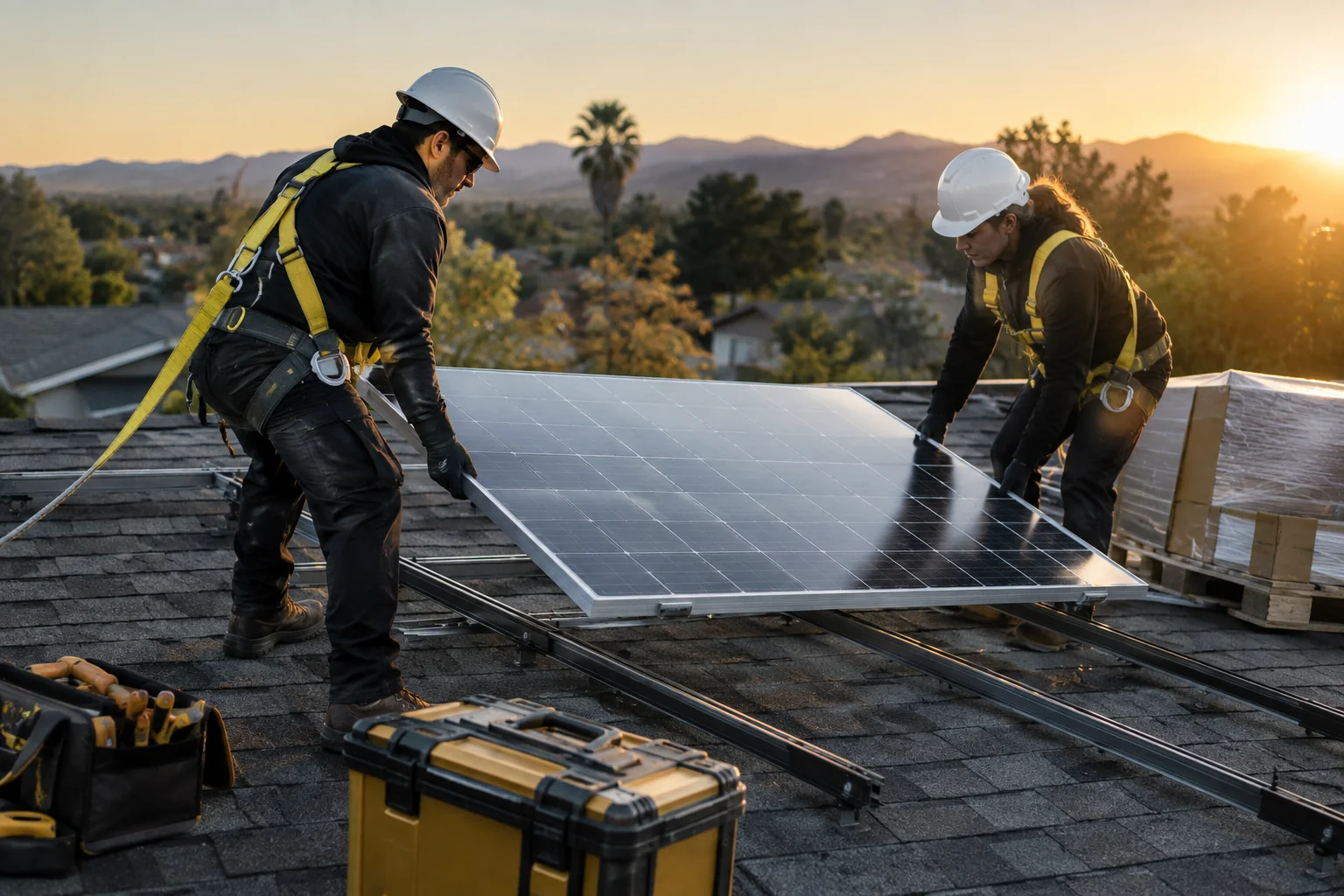
A detach-and-reset isn't quick, either. Crews typically need one day to remove panels and one to two more days to reinstall once the roof work is done, on top of whatever the roofer's timeline adds. For a homeowner who already paid once for mounting hardware and labor, that's a second invoice for work that could have been avoided.
The math gets worse the longer you wait. Removing and reinstalling an established system also risks damaged wiring, voided warranties on the racking, and a gap in production while the system is offline. None of that shows up on the original solar quote, which is exactly why the roof inspection has to happen before the contract, not after.
Can You Install Solar on an Overclad or Repaired Roof?
Yes, solar can go on an overclad, repaired, or metal roof, but the structure has to handle the added load from panels and racking. Overclad roofs, whether metal, fiber-cement, or composite, can accept solar when a structural review confirms the deck and framing can carry the extra weight and wind load.
This matters more in New England than many homeowners realize. Snow load adds weight to a roof that's already carrying panels and racking, so an overclad or older repaired roof needs that structural sign-off before anyone schedules an install date.
If your home has a metal roof or one that's been patched or overclad in the past, say so during your first conversation with an installer. It changes which mounting hardware gets used and whether an engineer needs to review the plan before permits get pulled.
Roof-Only Repair vs. Full Replacement vs. Solar+Roofing Bundle
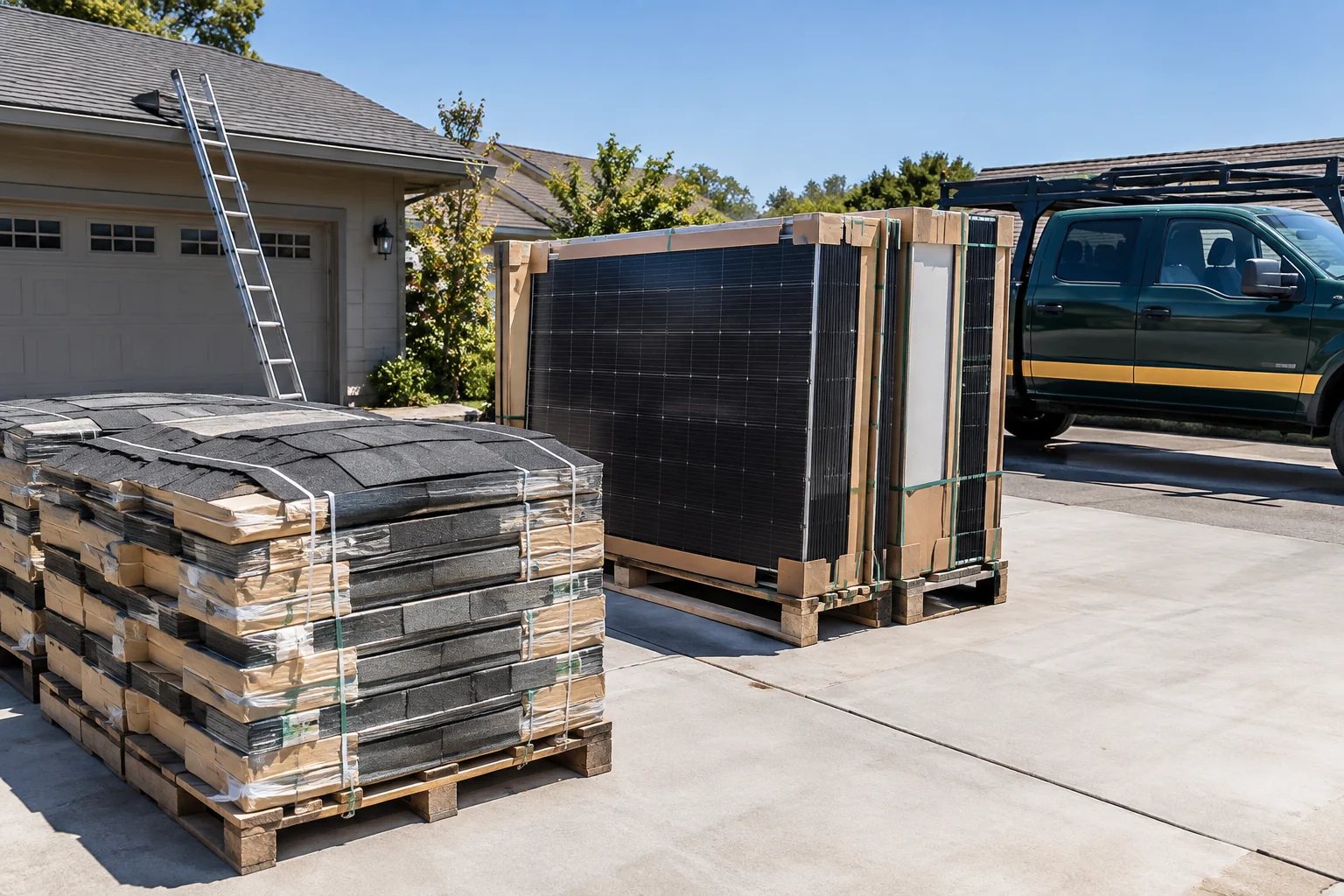
Once an inspection flags issues, homeowners generally face three paths: fix specific problem areas, replace the whole roof, or bundle a full reroof with the solar install. Each one trades cost against long-term risk differently.
| Path | Best For | Cost Pattern | Timeline Impact |
|---|---|---|---|
| Targeted repair (flashing, decking patch) | Roofs with 15+ years of life left and isolated issues | Lowest upfront cost | Adds days, not weeks, to the solar timeline |
| Full roof replacement, done separately first | Roofs near end of service life, homeowner wants to space out spending | Highest combined cost if solar comes later | Two separate permit and labor cycles |
| Solar + roofing bundle | Roofs that clearly need replacement before solar anyway | Avoids paying for labor twice | One permit plan set, one mobilization |
Bundling tends to be the more cost-effective route specifically because it avoids paying for labor twice and skips the cost of removing panels that were installed before the roof was ready. It also means one crew coordinates both jobs instead of two separate contractors trying to schedule around each other.
If your inspection points toward a full replacement anyway, ask your installer about a combined project before you sign anything separately with a roofer. You can review what a bundled project typically involves on our solar plus roofing bundle guide, and compare that against doing a standalone reroof using our breakdown of when to replace a roof before solar.
How Does Teamsun Assess Your Roof Before a Solar Quote?
Teamsun sends the same in-house crew that will eventually install your system to inspect shingle age, decking, and flashing before issuing a quote, not a subcontractor who disappears after the sale. That single detail avoids the finger-pointing that happens when a roofing problem surfaces mid-install under a different company's crew.
Because the inspection and the install come from the same team, there's no guesswork about who's responsible if a flashing issue gets missed. If your roof checks out, you move straight to design and permitting. If it doesn't, you get a straight answer about repair versus replacement, not a sales pitch dressed up as a technical finding.
Homeowners who've already had solar installed by another company and are now dealing with a roofing question can also get an honest read from Teamsun on whether a roof under an existing array needs attention before it becomes a leak.
Frequently Asked Questions
How old can a roof be and still qualify for solar?
There's no legal age limit, but most installers want at least 15 years of remaining life on the roof before mounting panels. A roof already 15 to 20 years into a typical 20 to 30 year asphalt shingle lifespan usually needs a closer look before anyone commits to a solar contract.
Will adding solar panels void my roof warranty?
It depends on the manufacturer and how the mounts penetrate the roof. Many roofing warranties stay intact when a licensed installer uses proper flashing and sealing techniques, but it's worth confirming directly with your roofer and asking your solar installer how they handle penetrations.
Can I install solar now and replace the roof later?
You can, but it's rarely the cheaper path. Removing an installed array to fix or replace a roof mid-life means paying a detach-and-reset fee on top of whatever the roof work costs, which typically adds thousands of dollars that a pre-install inspection could have avoided.
Does a metal roof need special solar mounting?
Yes. Metal roofs generally use standing-seam clamps instead of penetrating lag bolts, which can actually make installation faster and reduce leak risk compared to asphalt shingles, as long as the structure can handle the added weight.
Get a Straight Answer on Your Roof Before You Sign Anything
The question "can I add solar panels without replacing my whole roof" has a different answer for every house, and the only way to know yours is a physical inspection of shingle age, decking, and flashing before a contract gets signed. Guessing from the ground, or trusting a quote that skipped the roof entirely, is how homeowners end up paying for a detach-and-reset two years later.
Teamsun's in-house crews across Connecticut, Massachusetts, and Rhode Island check your roof as part of the design process, not as an afterthought, and they'll give you a direct answer on repair, replacement, or a bundled project. Request a free quote to get that roof assessment scheduled, or talk to a designer about your specific roof situation first. You can also call 203-903-4091 to ask questions before committing to anything.
Recommended Resources
Written by
Dan Katzman
Teamsun
Teamsun writes practical solar guidance to help property owners compare equipment, project scope, costs, and long-term service before making a decision.
Keep going.
Can Solar Panels Work With Your Home Generator?
Learn how a solar panel system with existing home generator setups can work together, what transfer switch changes are needed, and when a battery skips the generator.
Dan Katzman
Teamsun
How Many Solar Panels Does a Small Business Need?
Learn how many solar panels for small business use based on kWh usage, roof size, and budget, plus the 25kW-500kW range Teamsun installs across CT, MA, RI.
Dan Katzman
Teamsun
How to Combine Solar Panels With Battery Backup (2026)
Learn how solar panel installation with home battery backup works, from wiring to outage performance to sizing a battery for true energy independence.
Dan Katzman
Teamsun