What to Do When Your Solar Installer Goes Out of Business
Your solar installer went out of business? Here's what still works, what to check first, and how to find a local company that services any brand.
Dan Katzman
Teamsun
Your panels don't stop generating power the day your installer's website goes dark. What actually breaks is the workmanship warranty and the phone number you used to call, not the electricity flowing off your roof. The fix is a documentation gathering step first, then a call to a local company that services any brand.
Key Takeaways
- Your system keeps running: panels, inverter, and net metering credits all continue on their own, since a company shutting down is a financial event, not a physical one.
- Manufacturer warranties usually survive: the panel, inverter, racking, and battery warranties belong to the manufacturers, not the installer, so they generally hold.
- The workmanship warranty is the casualty: that's the installer's own promise to fix labor-related issues, and it typically dies with the company.
- Loans and leases are separate contracts: your finance agreement doesn't dissolve because the installer did, and a PPA or lease is usually purchased by another company that keeps servicing it.
- Documentation is the first move: your contract, permit records, warranty certificates, and equipment serial numbers are what a new servicer needs to pick up where the old one left off.
At a Glance: Your Solar System After an Installer Shutdown
| Item | What Happens | Your Move |
|---|---|---|
| Panel/inverter production | Keeps running normally | Confirm output in your monitoring app |
| Net metering credits | Continue flowing from your utility | Check your bill matches usual production |
| Manufacturer warranty | Generally survives | File claims directly with the manufacturer |
| Workmanship warranty | Usually voided | Budget for a new local servicer |
| Owned system (cash/loan) | Loan payments continue as normal | Find a new company for service and repairs |
| Leased system or PPA | Contract often bought by another provider | Confirm who now holds the agreement |
| Monitoring app access | May go dark if tied to installer's platform | Locate login or ask new servicer to re-link |
Does Your Solar System Still Work if the Installer Is Gone?
Yes. Your panels keep converting sunlight, your inverter keeps running, and your safety systems, including rapid shutdown and ground-fault protection, keep functioning exactly as they did the day before your installer closed. A company shutting down is a financial and legal event; it doesn't reach your roof.
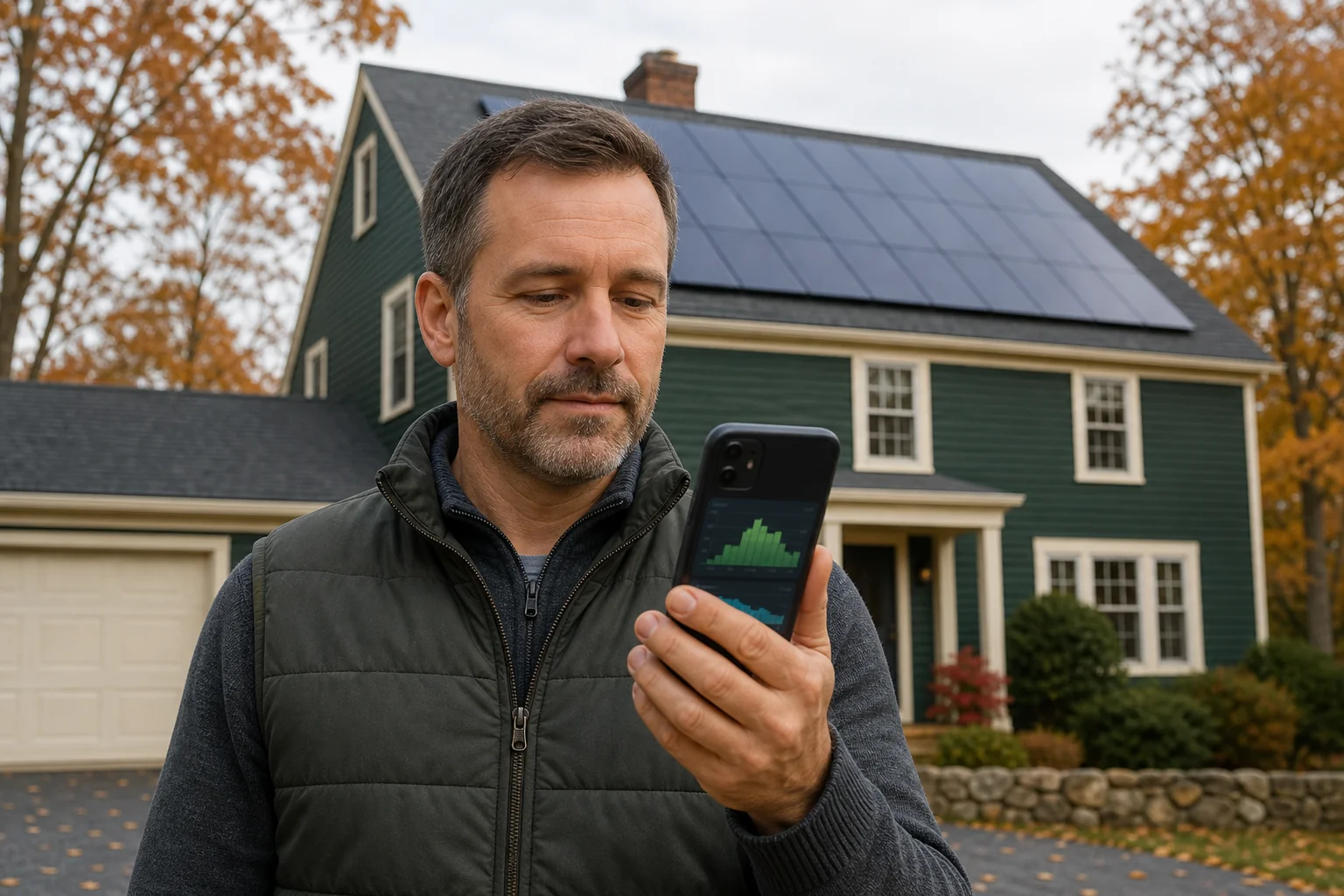
That's the part most owners get wrong when they hear their installer folded. A business closing changes who answers the phone, not whether the sun still hits your roof. Your panels keep generating and your net metering credits keep flowing, because those systems are wired to the utility grid and your production meter, not to your installer's payroll.
Where things do change is on the paperwork side. Your interconnection agreement with the utility runs independent of the installer, so your net metering arrangement is unaffected by who installed the system. What's actually at risk is repair support, warranty processing, and any part of the install that was never fully commissioned.
1. Confirm Your System Is Still Producing
Before you worry about warranties or paperwork, open your monitoring app and check today's output against a recent sunny day. A quick sanity check tells you whether you're dealing with a business problem or an equipment problem.
If the app itself has gone dark because it was hosted on the installer's proprietary platform, don't assume the system stopped working. Check your inverter's physical display for status lights, or compare your last two utility bills for a production swing. Our guide on how to read your solar monitoring app data walks through what normal seasonal variation looks like versus an actual fault.
2. Gather Your Documentation Before You Do Anything Else
Every step after this one depends on paperwork you may not have looked at since your install day. Pull together your signed contract, permit and interconnection approval, warranty certificates for the panels, inverter, and battery, and any login credentials for the monitoring platform.
Write down the equipment brand and model numbers if you can find them on the paperwork or on the inverter's nameplate. A new servicing company will ask for exactly this information before they'll quote a repair or take over your monitoring, so having it ready shortens the whole process by days.
3. Figure Out What You Own vs What You're Financing
How your installer's closure affects you depends heavily on whether you own the system outright, financed it with a loan, or signed a lease or power purchase agreement. Owners need to find a new company for service. Lease and PPA holders usually see their contract change hands.
If you paid cash or took a solar loan, you own the hardware, and your loan payments continue regardless of who installed the system, since the lender is a separate party from the installer. If you signed a lease or PPA, that contract is typically purchased by another third-party company, similar to how a mortgage gets sold to a new bank.
Compare the tradeoffs of each path in our solar loan vs PPA vs lease breakdown, and if you're weighing a PPA specifically, our guide on how solar PPA financing works explains what happens when the servicing party changes.
4. Check Which Warranties Survive and Which Don't
Manufacturer warranties on your panels, inverter, racking, and battery generally survive an installer's closure, because they're contractual obligations of the equipment manufacturer, not the company that bolted the panels down. Your workmanship warranty is the one that usually dies with the installer.
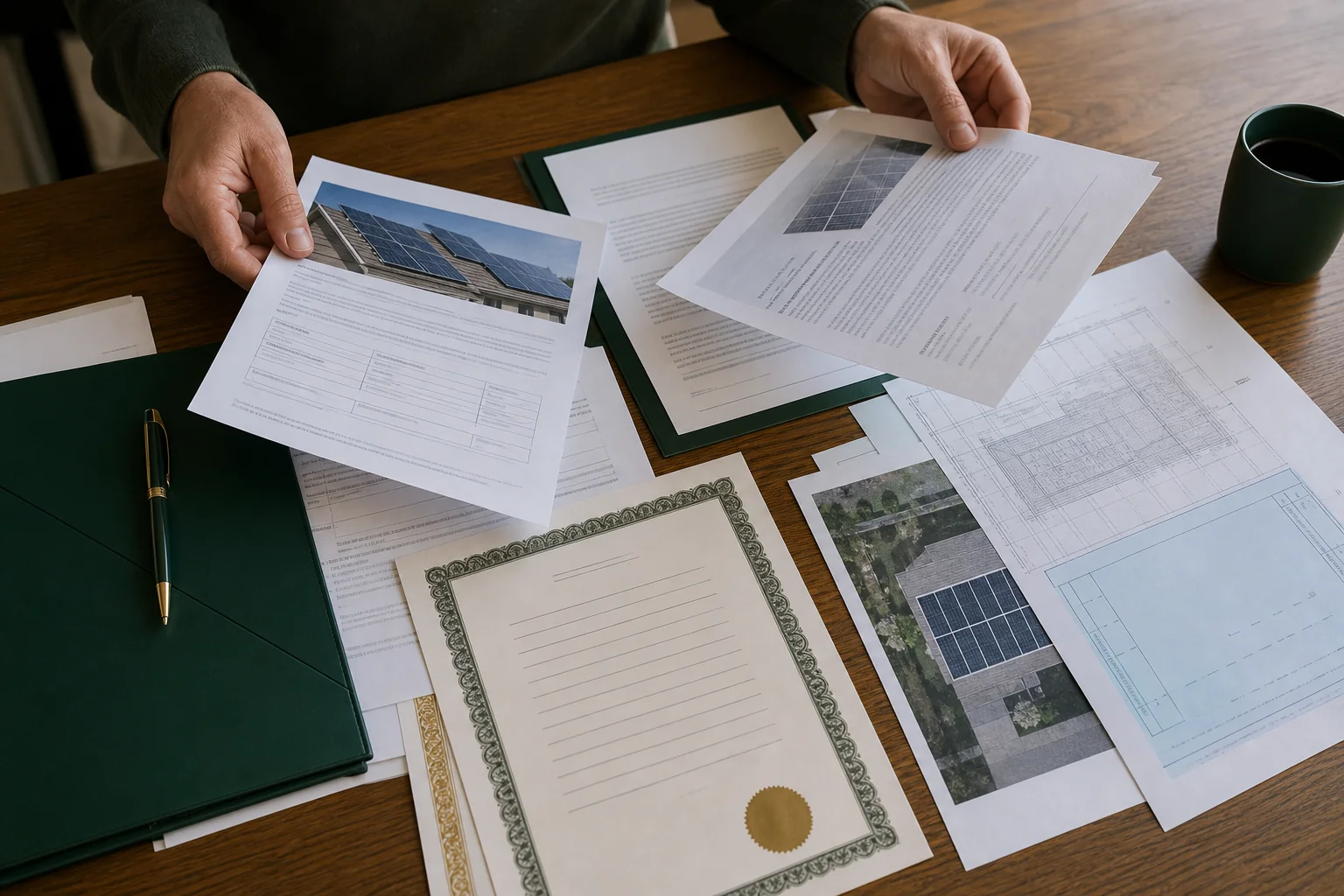
The distinction matters because these are legally separate promises. A workmanship warranty is a promise from the installer to fix labor-related problems, roof penetrations, mounting hardware, wiring errors, and it typically doesn't transfer to a successor company automatically. Manufacturer warranties, by contrast, are backed by companies like the panel or inverter maker directly, so filing a claim is still possible; it just gets harder without an installer to process the paperwork for you.
Identify your equipment manufacturer from your documentation and check whether they offer a homeowner-direct claims process. Some do. Others require a certified installer to file on your behalf, which is exactly why lining up a new local servicer early matters.
Can Another Company Take Over Your Orphaned Solar System?
Yes. A local installer can take over maintenance, monitoring, and repairs on a system you own, even if they didn't install it originally. For leased systems or PPAs, another company frequently buys the underlying contract and continues servicing it under the same terms.
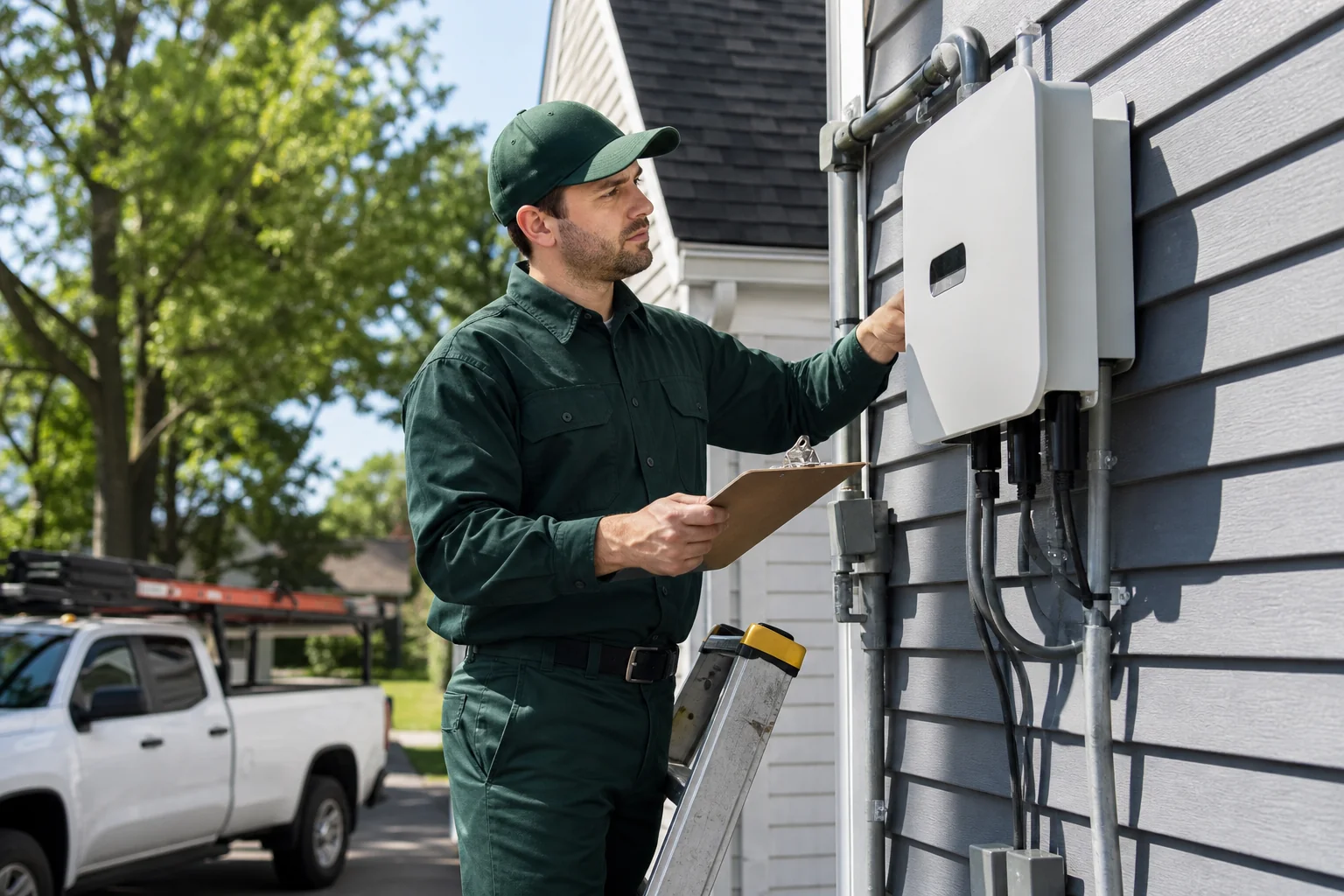
Not every company is willing to touch an install they didn't do. Some installers only service their own work, and some national brands route everything through a dealer network that has no local presence once the original dealer disappears. If you want to understand that structural difference before you sign with anyone new, read our comparison of a solar installer vs dealer network model.
5. Find a Local Company Willing to Service Any Brand
Ask directly whether a prospective servicer works on other companies' installs, or only their own. Ask who's physically on the roof, an employee or a subcontractor, since a subcontracted crew with high turnover means less accountability if something goes wrong again.
Teamsun services solar and battery systems of any brand across Connecticut, Massachusetts, and Rhode Island, regardless of who did the original install. If your system needs a battery added after the fact, our page on how a solar battery retrofit works covers what's involved in adding storage to an existing array, orphaned or not.
Bring your documentation to the first call. A company that knows your panel model, inverter brand, and install date within the first five minutes can quote you faster and more accurately than one working from a photo of your roof.
6. Watch for These Red Flags Before You Sign With a New Company
Some companies will promise you a full warranty transfer they can't actually deliver. If a servicer tells you your workmanship warranty is fully intact with no installer of record, ask them to show you exactly which document supports that claim.
Watch for vague answers about who's actually doing the labor. A company that can't tell you plainly whether their crew is W-2 employees or subcontracted labor is the same structural risk that got you into this situation the first time. Our breakdown of questions to ask a solar installer before you sign applies just as much to a repair or retrofit contract as it does to a new install.
A Checklist for Owners of an Orphaned Solar System
- Check your monitoring app or inverter display to confirm production is normal.
- Locate your contract, permit paperwork, and equipment serial numbers.
- Determine whether you own the system, have a loan, or hold a lease/PPA.
- Identify your panel, inverter, and battery manufacturers for direct warranty claims.
- Call a local installer that explicitly services other brands' systems.
- Ask any new servicer for their crew structure and typical response time.
Frequently Asked Questions
Will my net metering credits disappear if my installer goes out of business?
No. Net metering is an agreement between you and your utility, unaffected by your installer's status, so your credits keep flowing under the terms you originally set up.
Your net metering credits keep flowing exactly as before, since the utility interconnection is a separate legal relationship from your installer contract. Confirm this by comparing a recent bill to one from before your installer's closure. If you want a deeper primer on how the underlying arrangement works, see our guide on how solar net metering works with your utility.
Do I still owe payments on my solar loan or lease?
Yes, in almost every case. Your loan or lease is a separate contract from your installer's business, so payments continue on schedule regardless of whether the original company still exists.
If you have a loan, your lender is a bank or financing company, not the installer, so the loan simply keeps running. If you have a lease or PPA, the contract usually gets sold to a new operator who continues billing and servicing under the same terms, similar to a mortgage changing hands to a new servicer.
How do I find my equipment manufacturer if I lost my install paperwork?
Check the nameplate on your inverter, usually mounted on an exterior wall or in a garage or basement, for the brand and model number. Panel manufacturer information is often etched on a small label on the back of one panel, though that's harder to access without climbing on the roof yourself.
A local servicing company can usually identify your equipment from a few photos if the labels are worn or missing, since experienced crews recognize panel and inverter housings on sight. That's often faster than trying to track down a manufacturer name from memory.
An orphaned solar system isn't a dead system, but it does need a new point of contact who'll actually show up. If your original installer is gone and you're not sure where your warranty stands or who's supposed to answer your next service call, talk to a designer at Teamsun about taking over monitoring, repairs, or a battery retrofit on your existing array.
You can also request a free quote to see what it costs to bring your system back under local, in-house service, or call 203-903-4091 to talk through your specific setup today.
Recommended Resources
Written by
Dan Katzman
Teamsun
Teamsun writes practical solar guidance to help property owners compare equipment, project scope, costs, and long-term service before making a decision.
Keep going.
Solar Installer vs Dealer Network: What's the Difference?
Solar installer vs solar dealer network: learn how national brands subcontract installs, why that affects warranty service, and how to spot the difference.
Dan Katzman
Teamsun
Commercial Solar for Small Business Roofs: 2026 Guide
Commercial solar for small business roofs: roof suitability, permitting, interconnection, and financing options for 25kW-500kW rooftop systems in CT, MA, RI.
Dan Katzman
Teamsun
Ground Mount vs Rooftop Solar: Best for Your Business?
Ground mount vs rooftop solar for commercial properties: compare costs, permitting, and ROI to find the right fit for your 25kW-500kW system.
Dan Katzman
Teamsun