Solar Plus Roofing Bundle: What Does It Cost in 2026?
Learn what a solar plus roofing bundle cost looks like in 2026, what drives the price, and how one contractor for both jobs saves money versus two.
Dan Katzman
Teamsun
A bundled solar plus roofing project typically runs 10-20% less than hiring a roofer and a solar installer separately, mainly because you avoid paying twice for scaffolding, permitting, and labor mobilization. The solar plus roofing bundle cost for a typical 2,000-square-foot Connecticut home with an asphalt shingle tear-off and a 7kW system usually lands between $28,000 and $42,000 before incentives, depending on roof condition and system size.
Key Takeaways
- Bundling saves 10-20%: combining roof replacement and solar installation into one contract cuts duplicate mobilization, permitting, and racking removal costs.
- Roof condition drives price more than panel count: tear-off scope, decking repair, and roofing material matter as much as the size of the solar array.
- One contractor means one warranty: when the same crew installs the roof and the panels, there's a single point of accountability if a leak shows up under the array later.
- Financing covers both jobs: loans, PPAs (620 FICO minimum), and prepaid leases can be structured to fold roofing costs in with the solar system.
- Timing matters: a roof with under 10-15 years of remaining life should be replaced before or during the solar install, not after, to avoid a $2,000-$5,000 rework penalty.
Solar Plus Roofing Bundle Cost at a Glance
| Project Element | Typical Range or Detail |
|---|---|
| Roof size (average CT home) | 1,800-2,400 sq ft |
| Roofing material | Asphalt shingle (most common), metal, tile |
| Solar system size | 6kW-10kW residential |
| Bundled project cost (before incentives) | $28,000-$42,000 |
| Savings vs two separate contracts | 10-20% |
| Financing minimum credit for PPA | 620 FICO |
| Average install timeline | 47 days, contract to power-on |
| Rework cost if roof done after solar | $2,000-$5,000 extra |
1. Understand What a Solar Plus Roofing Bundle Actually Includes
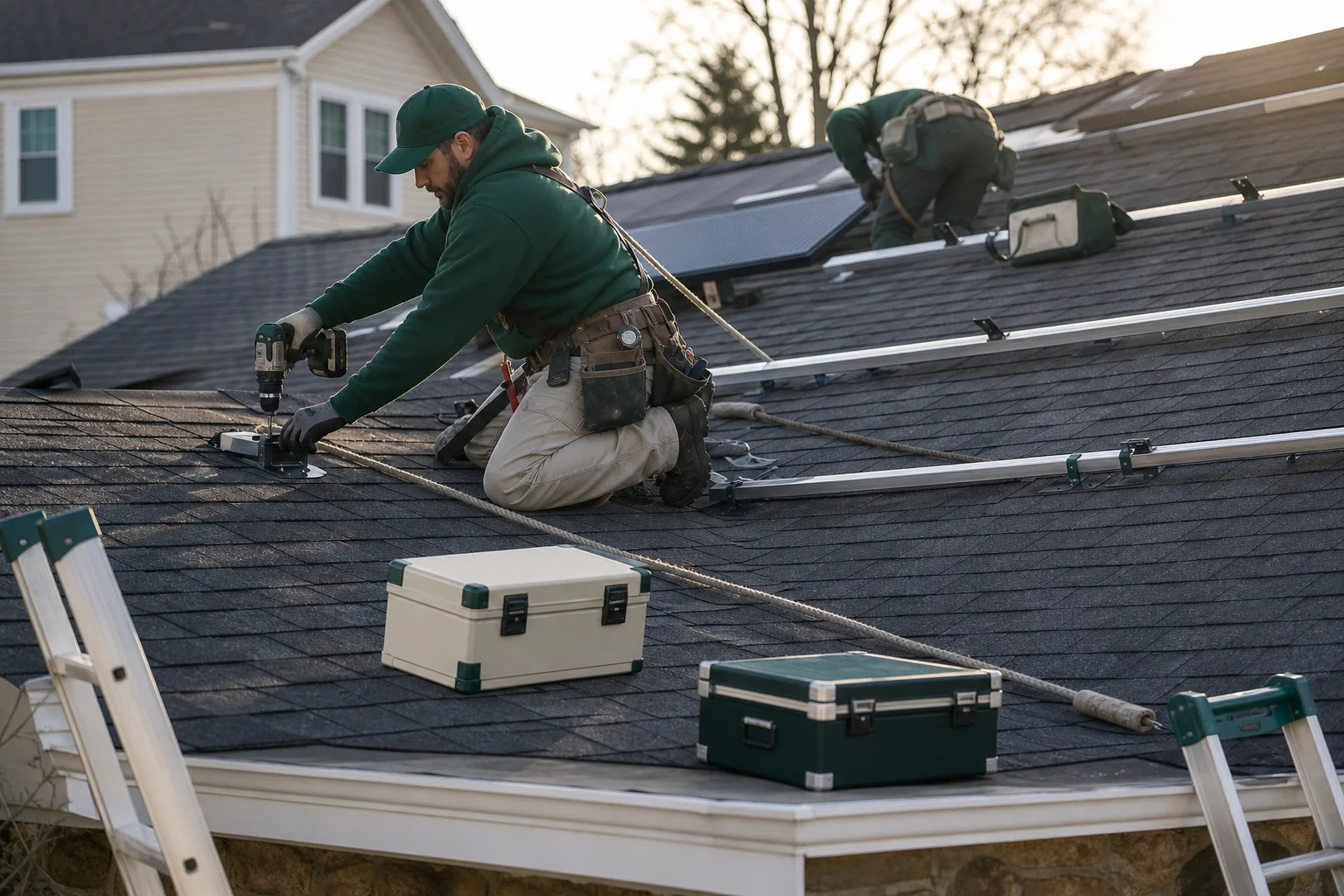
A true bundle is one scope of work, not two invoices stapled together. It covers the tear-off of your old roofing material, replacement of damaged decking, installation of new shingles or metal panels, then racking, wiring, and panel mounting on the fresh roof surface. The electrical work, including interconnection with your utility, happens after the roof is watertight.
The difference between a bundle and simply hiring a roofer, then later calling a solar company, is coordination. In a bundle, the same project manager sequences both trades so the racking goes down on brand-new decking, not old plywood that a separate roofer patched around existing solar mounts. That sequencing is where a lot of the cost savings actually come from.
2. What Drives Solar Plus Roofing Bundle Cost
Several variables push the price up or down, and most homeowners are surprised which ones matter most.
- Roof size and pitch: steep or complex rooflines take longer to tear off and re-shingle, and they add labor hours for both trades.
- Roofing material: asphalt shingle is the baseline; metal roofing and slate or tile cost more but often last 40-50 years, which matters if you plan to keep the panels on that roof for two or three decades.
- Tear-off layers and decking repair: a roof with two layers of old shingles or rotted decking underneath costs more to remove and rebuild than a clean single-layer tear-off.
- Solar system size: a 10kW system costs more in equipment and labor than a 6kW system, though larger systems often produce a lower cost per watt.
- Racking type: flush-mount rail systems are the standard cost baseline; specialty low-profile or ballasted racking for flat commercial roofs runs higher.
- Local permitting fees: every town in Connecticut, Massachusetts, and Rhode Island sets its own building and electrical permit fees, which typically add a few hundred to over a thousand dollars depending on jurisdiction.
If your electric bills have been climbing along with your roof's age, it's worth reviewing how a larger system size affects both the roofing scope and your long-term savings. Homeowners dealing with unusually high electric bills often need a bigger array, which changes the racking layout and, in turn, the roofing coordination.
3. Why Bundling Beats Hiring Two Separate Contractors
Here's the math most homeowners miss. If you hire a roofer first, then a solar company months later, the solar crew has to remove nothing extra, but you've paid for two separate mobilizations, two dumpster rentals, two sets of scaffolding, and two project management fees. If you install solar first and need a roof replacement later, the roofer has to pay a crew to unbolt and reinstall the entire array around the new shingles, which is where that $2,000-$5,000 rework charge comes from.
A single contractor running both trades in one sequence eliminates that duplicate cost structure entirely. Teamsun runs bundled jobs with its own W-2 crews rather than subcontracting the roofing portion out to a separate company, which keeps scheduling tight and keeps one team accountable for the whole job. If you're weighing whether that structure matters, our breakdown of in-house crews versus subcontractors covers why accountability tends to fall apart when multiple companies touch the same roof.
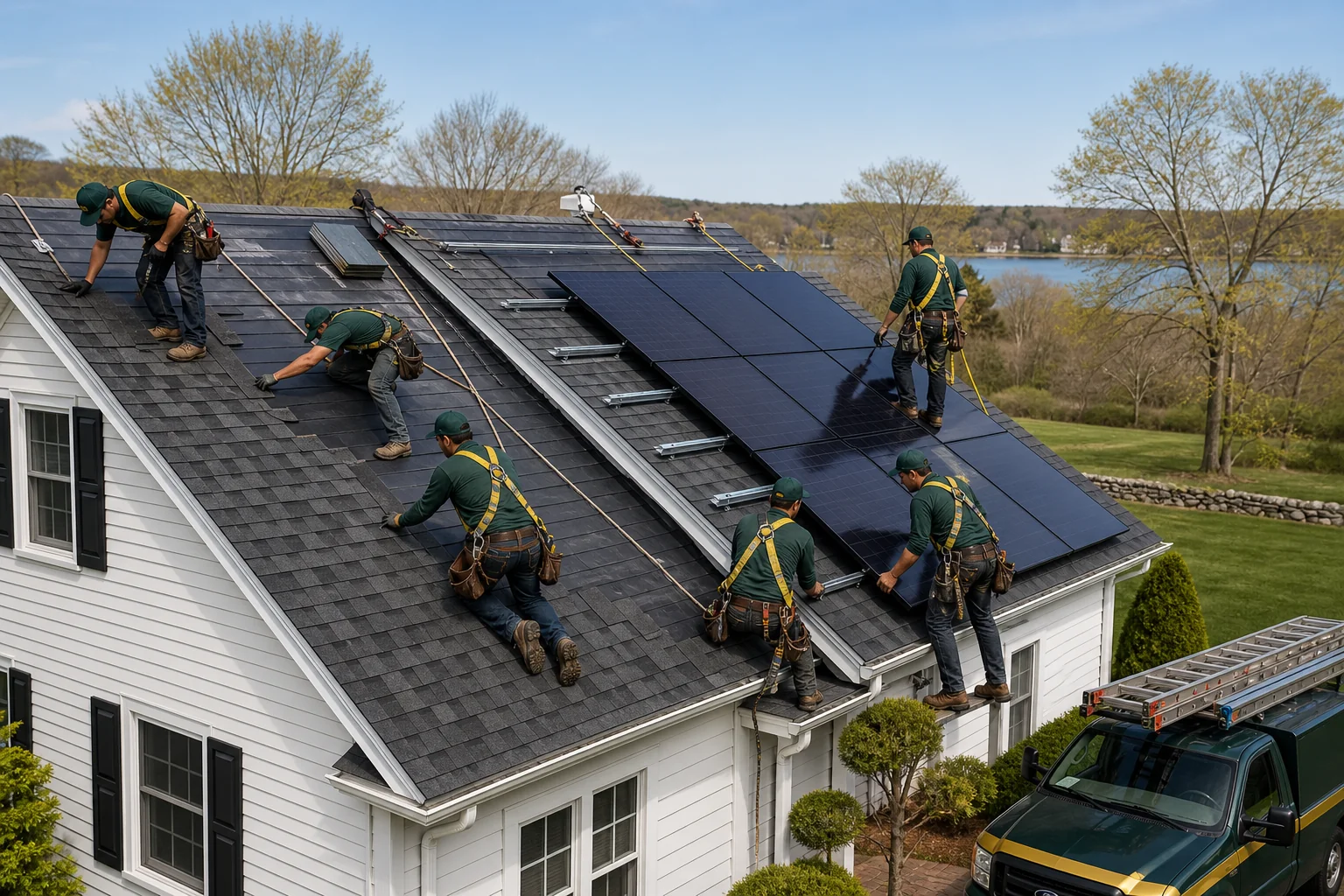
There's also a warranty argument. Most roofing warranties get voided or complicated the moment a separate solar company drills into your shingles for racking bolts. When one contractor installs both, the roof warranty and the solar warranty are written to work together instead of against each other, so a leak that shows up two years later doesn't turn into a finger-pointing exercise between two companies.
4. Solar Panels Before Roof Replacement: Getting the Timing Right
The single biggest mistake homeowners make is installing solar on a roof that has 10 years of life left, then discovering they need a full re-roof five years later, with panels bolted down on top. As a rule, if your roof has less than 10-15 years of remaining life, replace it before or alongside the solar install, not after.
Roof age isn't always obvious from the ground. Curling shingle edges, granule loss in the gutters, and soft spots near vents are signs worth having assessed before signing a solar contract. We cover this decision in more depth in our guide on when to replace your roof before solar, including how to read your roof's remaining lifespan against your solar system's 25-year warranty period.
Getting the solar panels before roof replacement timing right the first time is really the whole point of a bundle: it removes the guesswork and the sequencing risk in one contract instead of leaving it to chance across two separate companies.
5. Financing a Combined Solar and Roofing Project
Most homeowners don't pay cash for a bundled project, and lenders have caught up to that reality. Four structures are common:
- Cash purchase: lowest total cost over time, full ownership of both the roof and the system from day one, and full eligibility for the federal solar tax credit on the solar-related portion of the project.
- Solar loan: many lenders will finance the roofing cost as part of the total solar loan amount when the two are bundled into a single project, spreading payments over 10-25 years.
- Power Purchase Agreement (PPA): Teamsun underwrites PPAs with a 620 FICO minimum, which opens financing to homeowners that other installers turn away. Roofing costs on a PPA-financed bundle are often handled as a separate line item since the PPA structure applies specifically to solar energy production, not roofing materials.
- Prepaid lease: a lump-sum lease payment upfront in exchange for system use over a set term, which can sometimes be structured alongside roofing costs depending on the lender.
If your credit history has kept you out of solar financing before, it's worth knowing PPA underwriting standards have shifted. Our guide on how solar PPA financing works explains the mechanics in detail, and homeowners with credit challenges may also want to review options for solar financing with less-than-perfect credit.
One clarification worth making up front: the federal solar Investment Tax Credit applies to solar equipment and directly related installation costs, not general roofing materials. Some roof prep work tied directly to the solar racking may qualify in specific cases, so it's worth having a tax professional review your specific invoice breakdown. The U.S. Department of Energy's homeowner guide to the federal solar tax credit is a solid starting reference. For a full walkthrough of the paperwork itself, see our solar tax credit and rebate paperwork guide.
6. How to Evaluate a Bundled Quote
A bundled quote should be transparent enough that you can see exactly what you're paying for in each trade. Ask for a line-item breakdown separating roofing material and labor, solar equipment and labor, permitting fees, and any electrical panel upgrade costs. If a contractor won't break it down, that's a red flag worth pressing on.

Beyond price, check these details before signing:
- Who actually installs the roof. Ask directly whether the roofing crew is company employees or a subcontracted third party. This affects both quality control and who you call if something goes wrong.
- Roofing material and manufacturer warranty terms. Confirm the shingle or metal roofing brand, warranty length, and whether solar racking penetrations are covered under that warranty.
- Panel and inverter brand, plus workmanship warranty. Tier-1 equipment brands and a workmanship warranty that covers labor, not just parts, matter more than a slightly lower sticker price.
- A firm installation timeline. Ask for a specific start-to-power-on estimate in writing. Teamsun's average across Connecticut, Massachusetts, and Rhode Island runs about 47 days; if a quote gives a vague "several months" answer, that's worth questioning. Our detailed breakdown of the solar installation timeline from contract to power-on shows what a realistic schedule looks like.
- Interconnection and permitting handling. Confirm the contractor files utility interconnection paperwork and local permits directly rather than leaving that to you.
It also helps to ask a few questions before you even request a quote. Our list of 15 questions to ask a solar installer before you sign applies just as much to a bundled roofing and solar contract as it does to solar alone.
7. Comparing Bundled vs Separate Contractor Approach
Laid side by side, the tradeoffs between a single bundled contract and hiring a roofer and solar company separately become clear:
| Factor | Bundled (One Contractor) | Separate Roofer + Solar Company |
|---|---|---|
| Total project cost | 10-20% lower typically | Higher due to duplicate mobilization and fees |
| Timeline coordination | Single sequenced schedule | Two schedules to align yourself |
| Warranty structure | Unified, roof and solar coordinated | Separate warranties, potential conflicts |
| Accountability for leaks | One company responsible | Risk of finger-pointing between companies |
| Risk of panel removal rework | Eliminated by sequencing | Possible $2,000-$5,000 rework cost later |
| Project management | Single point of contact | Homeowner manages two vendors |
Frequently Asked Questions
Does bundling always cost less than hiring two contractors?
In most cases, yes, because you avoid paying for duplicate mobilization, scaffolding, and permitting. The exception is a roof that's already newer than 10 years old with plenty of remaining life; in that case, there's often no roofing work needed at all, so bundling isn't relevant.
Will installing solar void my roof warranty?
It depends on the manufacturer and who does the installation. When the same contractor handles both the roofing and the solar racking, warranty terms are typically written to account for the racking penetrations, which avoids the conflict that can happen when two unrelated companies work on the same roof.
How long does a bundled roofing and solar project take?
Roofing typically adds a few days to a couple of weeks to the front end of a standard solar timeline, depending on roof size and material. A well-sequenced bundle can still land close to a standard 47-day contract-to-power-on window when both trades are scheduled together.
Does the federal tax credit cover the roofing portion of the bundle?
The federal solar tax credit generally applies to the solar equipment and directly related installation costs, not general roofing materials. Some roof prep tied specifically to solar racking may qualify in certain cases; a tax professional should review your itemized invoice to confirm what applies to your situation.
If you're weighing a roof replacement against a solar install and don't want to manage two separate contractors, request a free quote and get a line-item breakdown of what a bundled project would actually cost on your roof. You can also talk to a designer about sequencing the roofing and solar work together, browse the full list of services Teamsun offers across Connecticut, Massachusetts, and Rhode Island, or call 203-903-4091 to ask questions before you commit to anything in writing.
Recommended Resources
Written by
Dan Katzman
Teamsun
Teamsun writes practical solar guidance to help property owners compare equipment, project scope, costs, and long-term service before making a decision.
Keep going.
How Does Solar PPA Financing Work in 2026?
Learn how solar PPA financing works in 2026, from rate calculations to 620 FICO underwriting, and see how it stacks up against loans and cash purchases.
Dan Katzman
Teamsun
Solar Panel Installation Cost Breakdown for 2026
See the real 2026 solar panel installation cost breakdown: equipment, labor, permits, and financing, line by line, so you can compare quotes with confidence.
Dan Katzman
Teamsun
Commercial Solar for Small Business Roofs: 2026 Guide
Commercial solar for small business roofs: roof suitability, permitting, interconnection, and financing options for 25kW-500kW rooftop systems in CT, MA, RI.
Dan Katzman
Teamsun