Solar Panel Installation Delays: What Actually Causes Them
Solar panel installation delays in CT, MA and RI come from permits, utility interconnection and equipment supply. See where weeks go and how to avoid them.
Dan Katzman
Teamsun
Solar panel installation delays almost never start on the roof. The panels usually go up in a few days of crew work at home scale (up to 1 to 4 weeks depending on size), but permits, utility interconnection and equipment availability can stretch the full timeline to months. For Connecticut, Massachusetts and Rhode Island homeowners, the wait is mostly paperwork and approvals. Our average install runs 47 days.
How the Solar Panel Installation Process Works
- Site visit and design: the installer measures the roof, checks the main electrical panel and designs the system.
- Permit application: your town building department reviews the plan set.
- Equipment delivery: panels, inverter and any battery arrive from the distributor.
- Physical install: the crew mounts the panels and wires the system.
- Inspection: the local inspector approves the work.
- Utility interconnection and PTO: the utility grants permission to operate, and you switch on.
Key Takeaways
- The roof is the short part: physical installation is a small slice of the schedule; engineering, permits and utility approval fill the rest.
- Permits swing widely: a town can approve in a day or take six weeks or more, and an incomplete plan set restarts the clock.
- Power-on waits on the utility: your system cannot legally switch on until the utility grants permission to operate, even if every panel is up.
- Who does the paperwork matters: a local team with in-house crews and no subcontractor handoffs gives fewer places for a file to sit.
- Ask before you sign: get the installer's actual average timeline, stock position and permit process in writing.
Solar Panel Installation Delays at a Glance
| Stage | Typical time | Who controls it | How to cut the delay |
|---|---|---|---|
| Site visit and design | Days to a couple of weeks | Installer and homeowner | Share your electric bills and sign design approval fast |
| Permit review | Same day to 6+ weeks; 1-2 weeks is common | Your town building department | Submit a complete package the first time |
| Equipment delivery | Depends on stock and model | Distributor and installer | Ask what is in stock and what happens if a model is short |
| Physical install | 1-4 weeks depending on size; often a few days at home scale | Installer crew | Settle roof and electrical-panel work before design is final |
| Inspection | Depends on the town's scheduling | Local inspector | Book as soon as the install wraps |
| Utility interconnection and PTO | Around 15 business days for standard review up to 25 kW in Connecticut, then PTO timing varies | Your electric utility | File early and file clean |
Why Do Solar Installs Stall After Contract Signing?
Installs stall after signing because the work that follows is approval work, not construction. Engineering, town permits, inspections and utility sign-off each depend on a different office, and each has its own queue. A missing document or an incomplete site picture at the sale can push a project back by weeks.
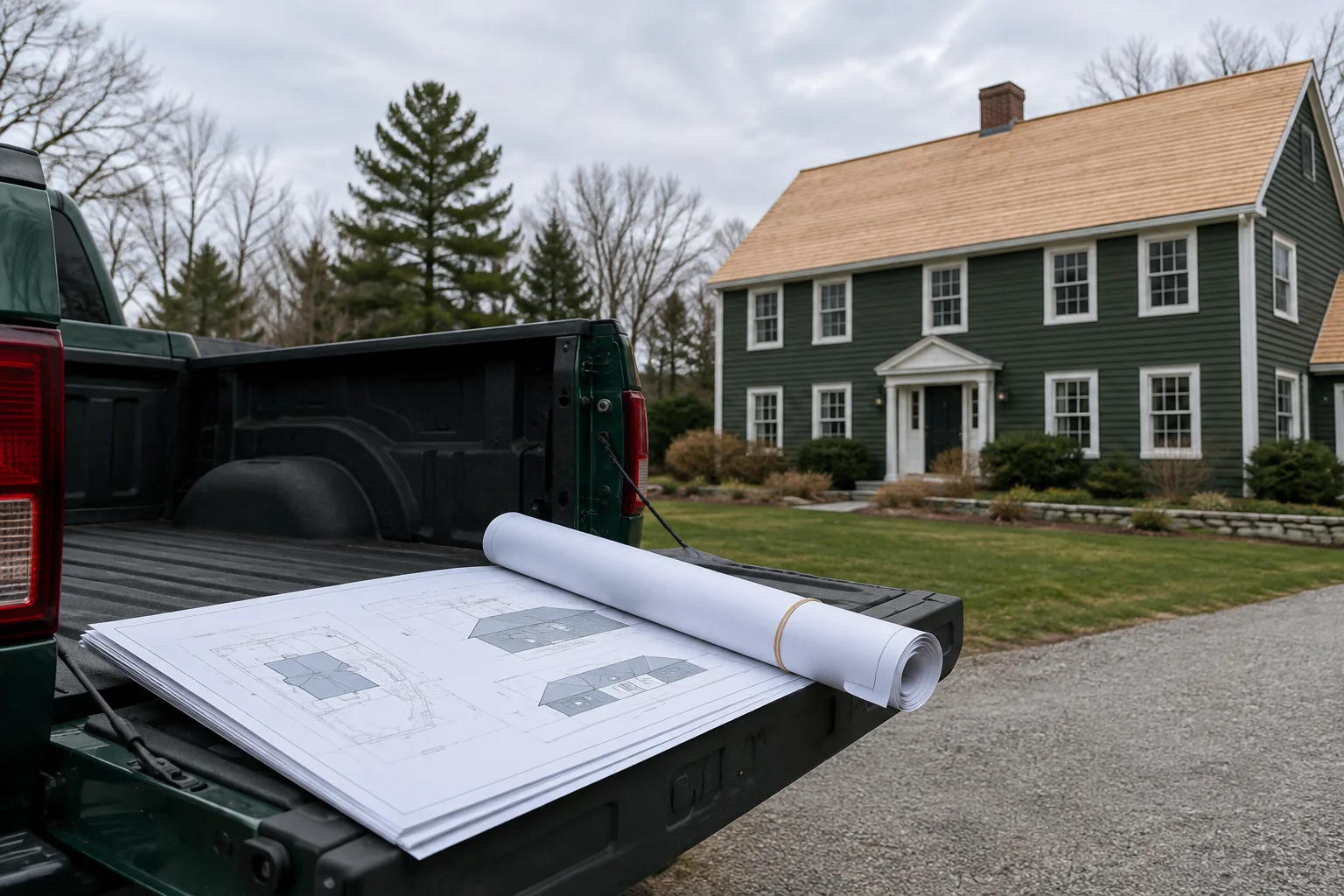
A New York City housing guidance document notes that for most solar projects the majority of the timeline goes to engineering, permitting and interconnection, while installation itself usually takes 1 to 4 weeks, depending on size. Homeowners often picture the reverse.
That mismatch creates frustration. You see nothing happening at the house for a month and assume the installer dropped the job. In many cases a file is sitting in a review queue, and nobody on your street can see it.
The recurring causes are consistent. The site or usage picture was incomplete when the contract was signed. A plan set had to be reworked before it could be submitted. A permit or interconnection application went in with an error and came back. None of these are exotic. They are all avoidable with a careful first visit and a team that owns the paperwork.
Permitting Backlogs: Where Installs Lose Weeks
Permitting is the stage with the widest swing. Researchers at the National Laboratory of the Rockies (formerly NREL) note that review and approval across roughly 20,000 jurisdictions and 3,000 utilities can add significant time and cost to rooftop solar. No two towns work exactly the same way.
A Department of Energy-hosted review of 2017 to 2023 data found that a typical solar permit might take 1 to 2 weeks for review, ranging from same-day approval to 6 weeks or more. That is the range you are rolling the dice on when you sign.
Why one town takes a day and the next takes a month
Some towns accept online submissions and approve standard residential systems quickly. Others still work from paper, have one reviewer, or batch applications weekly. Staffing, season and workload all matter. Spring and summer, when everyone wants solar, tend to be busier.
Connecticut, Massachusetts and Rhode Island are made up of many small municipalities, each with its own building department. A crew that works across all three states learns which towns move fast and which need extra lead time. That local knowledge is hard to fake and easy to ask about.
Rework is the silent killer
A permit reviewer who finds a missing spec sheet, an unsigned form or a roof detail that does not match the drawing will send the package back. You then restart the review, often at the back of the line. A single correction can cost a week or more.
This is why we prepare plan sets from a real site visit, with measured roof dimensions, a photographed main panel and framing details confirmed. A drawing built on guesses is the most common source of rework we see on other contractors' jobs.
Inspection scheduling
After the install, the town inspector has to approve the work. Some inspectors book within days; others have a backlog. The inspection also has to pass before the utility will move forward, so a failed or late inspection pushes power-on out with it.
Utility Interconnection Queues and Delayed Power-On
Interconnection is the step that surprises people most. Your panels can be installed, inspected and fully wired, and still sit idle. The utility has to review the application and issue permission to operate, known as PTO, before you can switch on. Running early risks safety problems and your net metering credits.
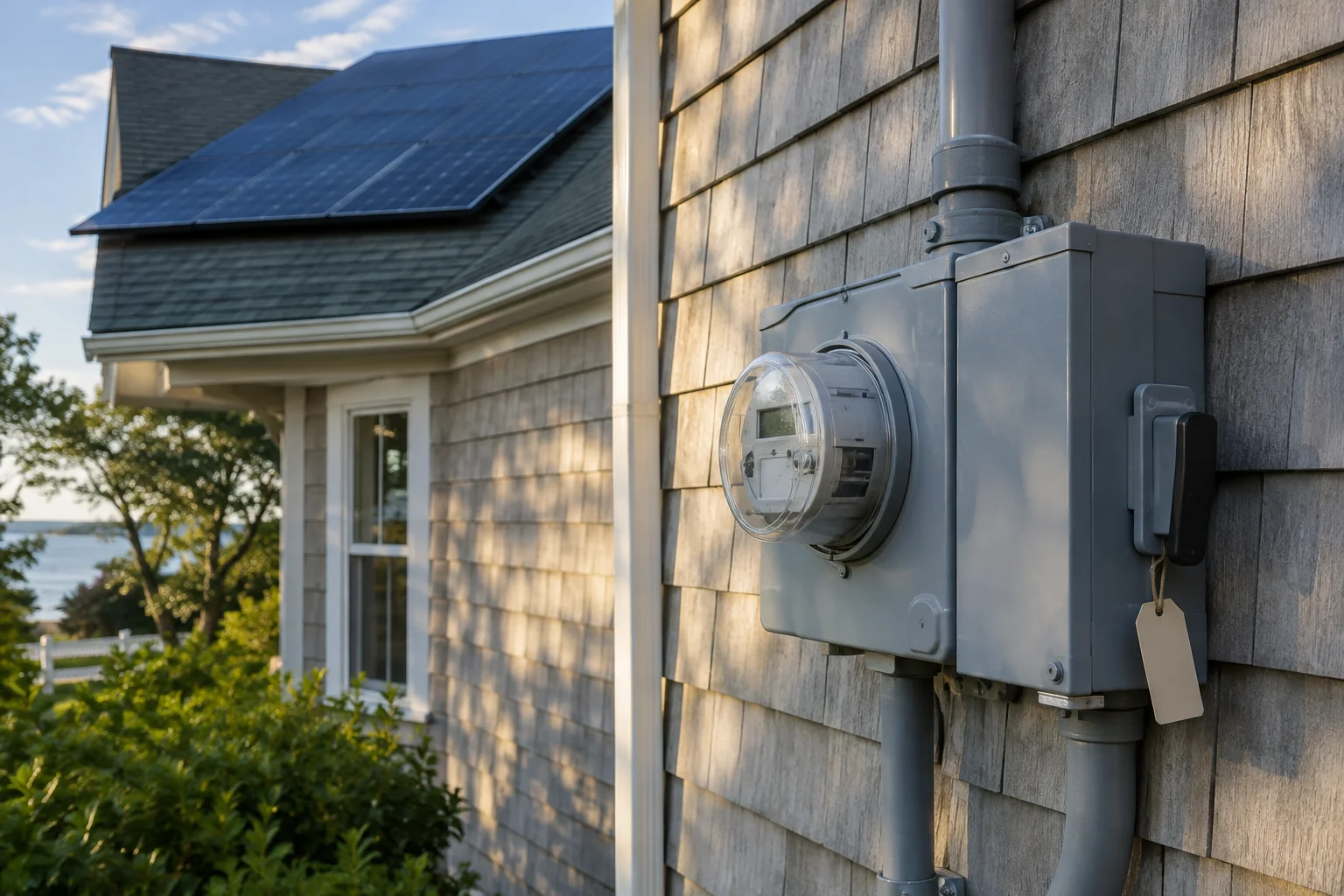
Timing varies by utility, state, system type and local requirements. In Connecticut, published utility tables show roughly 15 business days for standard review of small inverter-based systems up to 25 kW, though the full path through PTO often runs longer. Some Connecticut utilities describe three to four months for the whole process on typical residential projects.
Why queues form
Utilities process thousands of applications from many installers at once. Larger projects need engineering studies. A Maine state financing study found that large-scale projects in the ISO-NE region face interconnection studies and queues that grew from about 10 GW to more than 35 GW by 2023. That queue is mostly for big projects, but it shows the system is stretched.
For a typical home, you are in the simplified track, not the big-project queue. Even so, a larger commercial system in the 25kW to 500kW range may need additional review. If you own a small business, plan for more lead time than a homeowner would.
How a paperwork error resets the clock
The utility will reject an application with a wrong meter number, a mismatched account name or an equipment model that is not on its approved list. Each rejection can send you back to the queue. The best defense is an installer who files the application at the same time as the permit and checks every field twice.
If you want the full mechanics of credits once you are connected, our guide on how solar net metering works with your utility explains what starts and when.
Equipment Supply Issues and How to Ask About Them
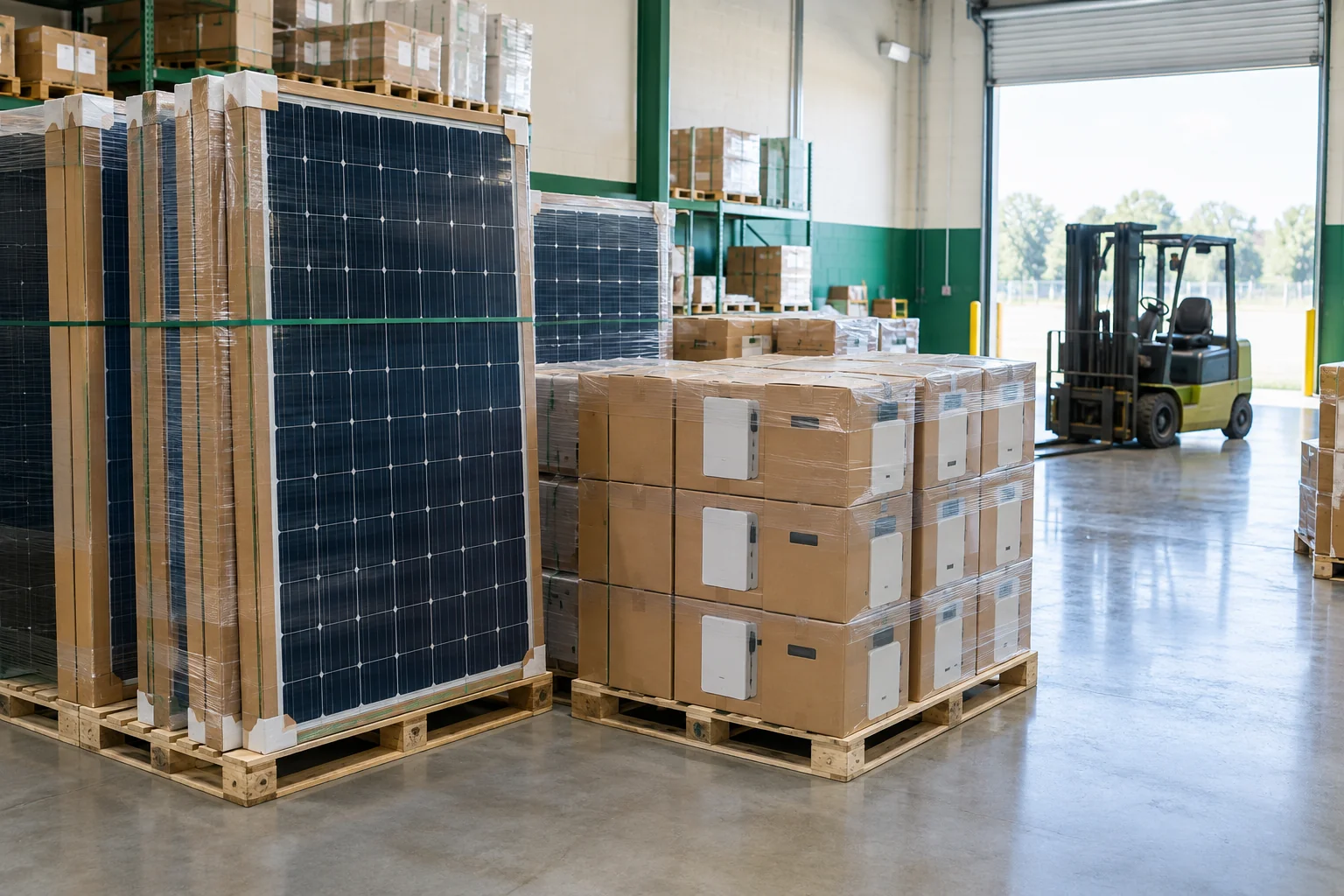
Supply is the least predictable delay, and the one installers are least likely to bring up. A panel, inverter, battery or racking part that is back-ordered can hold a crew for weeks. A model swap may also require a revised permit set and a new utility submission, which adds another round of waiting.
Why a substitution is not a small thing
Permit plans and utility applications name specific equipment. If the installer swaps an inverter for a different model because the first is out of stock, the drawings and the utility file may need to be revised. That can cost days or weeks, so the supposedly quick fix is often slower than the wait.
What to ask about equipment
- Is the equipment on your quote in stock or on order? A good answer names the distributor or warehouse and the expected ship date. Walk away from "we'll see."
- What is your substitution policy? A good answer: you approve any swap in writing before it happens, and the swap does not change the price.
- Which tier is the equipment? We install Tier-1 equipment, which is also easier to source through established distributors.
- If you add a battery, is that stocked too? Battery lead times can differ from panels. Ask separately for FranklinWH, Tesla Powerwall or Enphase IQ units.
Delays You Cause Without Knowing It
Not every delay sits with a town or a utility. Some come from decisions made before design is final. They are the easiest to prevent, because they are on your side of the fence, and a good installer will flag them at the site visit.
- An old roof. If the roof needs replacing, that work has to come first, or the panels have to come off and go back on later. Read when to replace your roof before solar before you sign.
- An undersized main electrical panel. A panel upgrade needs its own permit and can add days or weeks if it is discovered late.
- Slow signatures and documents. Utility and permit forms need your signature. A week in your inbox is a week of delay.
- Financing paperwork. Loan, PPA and lease approvals have their own steps. Submitting income and ID documents early keeps them from blocking the schedule.
- Late design changes. Moving the array, adding a battery or changing system size after permits are filed can mean refiling everything.
How Does Teamsun Keep Installs Moving at a 47-Day Average?
Teamsun's average install runs 47 days because the same local team handles design, permits, utility filings and installation. Our crews are in-house W-2 employees, not subcontractors. Fewer handoffs mean fewer places for an application to sit or an error to go unnoticed.
That 47-day figure is an average, not a promise for your house. A town with a slow reviewer or a utility with a long queue can push any project past it. What the average tells you is how often a team gets the process right the first time.
We also file permit and interconnection applications as early as the design allows, rather than waiting for one to finish before starting the other. Our team works the three states every week, so we know which towns need extra lead time. For a longer look at each stage, see how long solar installation takes from contract.
One thing remains outside anyone's control: the utility's pace. We can file a perfect application, and PTO still arrives when the utility issues it. Any installer who promises an exact power-on date is guessing.
Questions to Ask Your Installer Before Signing
These questions expose how an installer actually manages the stalled stages. Use the pass marks below. If you want a longer list covering price, warranty and financing, our solar services page shows what we handle in-house.
- What is your average time from signed contract to PTO? Pass: a specific number from recent jobs in my town or state. Walk away: "usually a few weeks" with no data.
- Who files the permit and utility applications? Pass: the installer's own employees, who also answer my calls. Walk away: "you'll need to submit that."
- Do you use in-house crews or subcontractors? Pass: in-house, with one team responsible. A subcontractor handoff adds a scheduling step, so ask who is accountable if it slips.
- How many projects have you permitted in my town? Pass: named towns and typical review times. Walk away: no local experience.
- Is my equipment in stock, and what is your substitution policy? Pass: confirmed stock or a ship date, and written approval before any swap.
- Do you file the permit and the utility application at the same time? Pass: yes, in parallel. Doing them in sequence can add weeks.
- What could delay my specific job? Pass: a real list covering my roof, my main panel and my utility. Walk away: "nothing, we're fast."
What to Do When Your Install Is Already Stuck
Start by asking your installer which stage the project is in: design, permit, equipment, install, inspection or utility. Then ask for the filing date and a reference number for the pending application. A named stage with dates tells you who holds the file and who to call.
- Ask for a status by stage. You should get a plain answer in a day or two. Vague answers are a warning sign.
- Get the reference numbers. Your permit number and utility application number let you check status yourself with the town or utility.
- Check for rework. Ask whether anything was rejected or sent back, and when it was resubmitted.
- Check your own side. Confirm you have signed every form and sent every financing document.
- Escalate in writing. If nothing has moved for a few weeks with no explanation, send a written request for a dated plan. Review your contract for any timeline language.
If your installer has gone quiet, a second opinion on where the file stands can help. Our local team will take a look and tell you what we see; you can talk to a designer about your project.
FAQ
How long should solar panel installation take in Connecticut?
Plan on roughly one to four months from contract to permission to operate. Crew work takes days to a few weeks, while permits, inspection and utility approval fill the rest. Town and utility speed set the final number, which is why local experience matters more than any national average.
Does a delay cost me my solar savings?
Mostly no, but it pushes back when savings begin. Net metering credits generally start only after the utility grants permission to operate, so each week of delay is a week of bills you still pay in full. Delay near an incentive deadline deserves a direct conversation with your installer.
Can solar panel installation happen during winter?
Yes. Crews install through New England winters, and the roof work is brief. The longer steps, such as engineering, permits and utility approval, happen at desks and do not depend on weather. Snow or ice can move a roof day, but rarely changes the overall timeline much.
Do solar panel removal and reinstall jobs add delay?
They add a coordination step. When panels must come off for a new roof, the roofer and the solar crew have to schedule back to back, and a reinstall may need its own inspection. Planning both jobs together before the roof is opened keeps the gap short. Our guide to roof timing before solar covers the order of work.
Get a Timeline You Can Hold Us To
If you want solar panel installation in Connecticut, Massachusetts or Rhode Island without watching weeks disappear into queues, start with a team that owns the paperwork. Request a free quote and we will walk you through the permit and interconnection steps for your town and utility. You can also call us at 203-903-4091.
Recommended Resources
Written by
Dan Katzman
Teamsun
Teamsun writes practical solar guidance to help property owners compare equipment, project scope, costs, and long-term service before making a decision.
Keep going.
FranklinWH Battery Cost: What Goes Into an aPower 2
FranklinWH battery cost explained line by line: aPower 2, aGate, labor, permits, and CT incentives. A guide for CT, MA and RI homeowners reading a quote.
Dan Katzman
Teamsun
Solar Panel Hail Damage: How Panels Hold Up and What to Do
Solar panel hail damage explained for CT, MA and RI homeowners: how panels are tested, signs to check from the ground, safety steps, insurance and repairs.
Dan Katzman
Teamsun
Solar Panel Installation Cost Breakdown for 2026
See the real 2026 solar panel installation cost breakdown: equipment, labor, permits, and financing, line by line, so you can compare quotes with confidence.
Dan Katzman
Teamsun