Solar for High Electric Bills: How Much Can You Save?
See real bill-reduction numbers from CT, MA, and RI homeowners who sized solar panels for high electric bill homes, including battery add-on payoffs.
Dan Katzman
Teamsun
A homeowner with an $80 electric bill doesn't need a case study. A homeowner paying $400 a month does, because the sizing math changes once usage climbs that high. Solar panels for high electric bill homeowners work best when the system is sized to 12 months of actual usage data, not a rough estimate, and the real-world results below show savings ranging from 60% to full bill elimination once battery add-ons and roof constraints are factored in.
Key Takeaways
- Bill size drives system size: A home averaging 2,800 kWh/month typically needs an 8-10kW array, while all-electric or multi-EV homes often need 12-15kW to cut bills meaningfully.
- Roof space caps the math: A shaded or undersized roof can force a smaller system than the bill justifies, which is when ground mounts or partial offset plans come into play.
- Battery add-ons shift the timeline: Pairing storage with solar can add 2-4 years to payback but protects savings from time-of-use rate hikes and outages.
- 47 days is the real install average: Teamsun's own tracked installs across CT, MA, and RI run 47 days from signed contract to power-on, not a marketing estimate.
- Net metering makes or breaks winter savings: Homes with heat pumps or EVs rely on banked summer credits to offset winter draw, so utility program rules matter as much as panel count.
At a Glance: Bill Reduction by System Size
| Home Profile | Pre-Solar Monthly Bill | System Size | Post-Solar Monthly Bill | Est. Payback |
|---|---|---|---|---|
| Standard colonial, no EV/heat pump | $410 | 8.6kW | $45-$60 | 7-8 years |
| All-electric with heat pump | $460 (winter avg) | 11.2kW + battery | $90-$120 | 8-9 years |
| Two-EV household | $520 | 14.5kW | $60-$80 | 7-9 years |
| Small ranch, moderate usage | $220 | 6kW | $25-$40 | 6-7 years |
| Battery retrofit only (existing solar) | Varies | +13.5-15kWh storage | Reduces peak/TOU charges | Depends on rate plan |
Why High Electric Bills Are a Sizing Problem, Not a Panel Problem
Most homeowners assume a bigger bill just means more panels. That's only half right. The real driver is your 12-month usage history, pulled directly from your utility account, broken down by month. A home that spikes in July from central AC and again in January from a heat pump has a very different load curve than a home with flat usage year-round.
Undersizing a system leaves part of the bill on the table every month. Oversizing wastes money on panels that never get used, since most CT, MA, and RI utilities cap net metering credit rollover or pay a reduced rate for excess generation. The right number sits right at, or slightly under, your annual consumption, adjusted for roof orientation and shading.
Rate hikes make this math more urgent every year. Eversource and National Grid customers across the region have seen delivery and supply rate increases stack on top of each other, and a system sized two years ago on old rate data may now be undersized relative to today's bill. Anyone tracking how solar net metering works with your utility should revisit that math annually, not just at signing.
Case Study 1: A 2,800 kWh/Month Colonial in Fairfield, CT
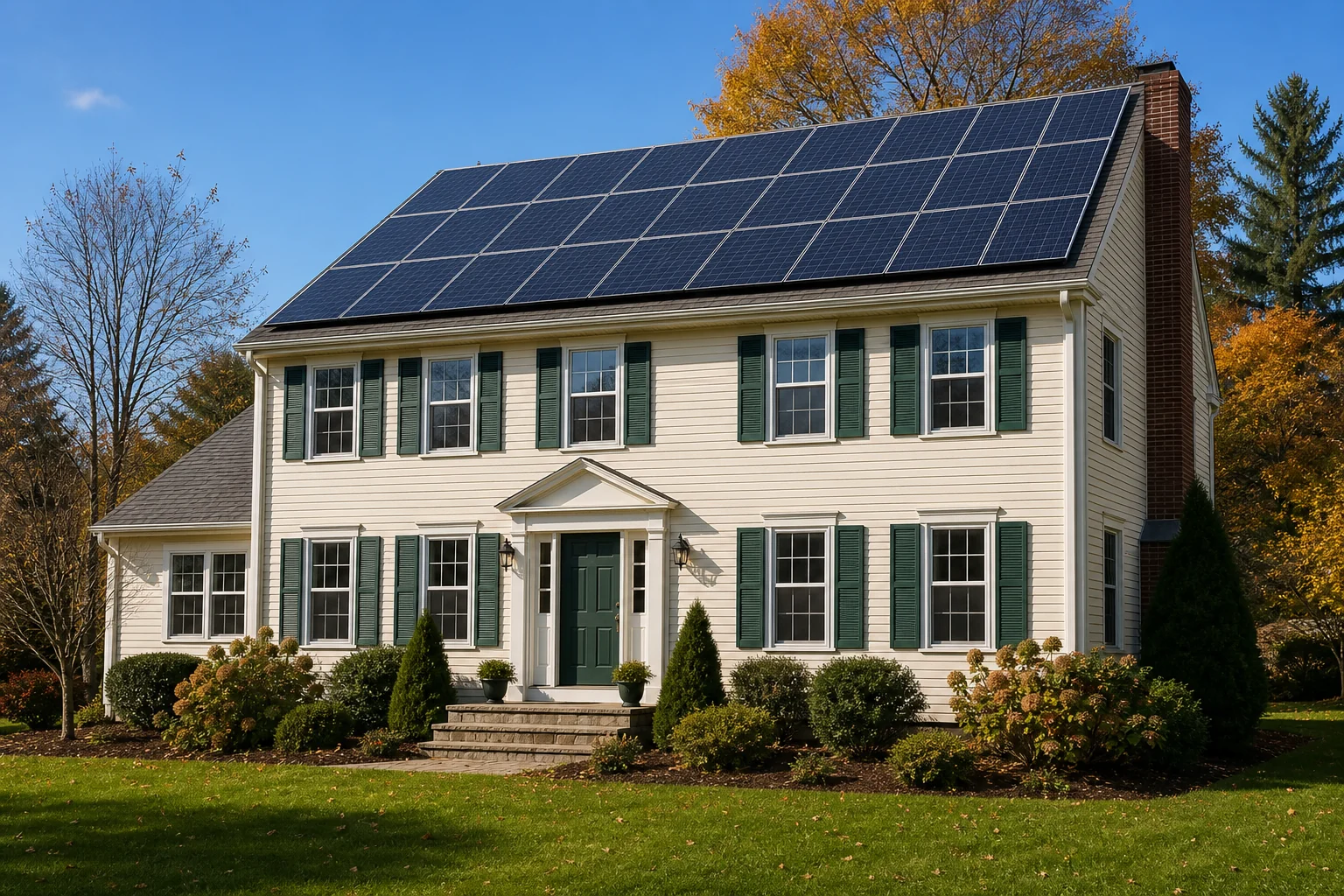
This Fairfield homeowner ran central AC through summer and electric baseboard backup in a few rooms during winter, landing at a $410 average monthly bill. Their roof had good south exposure but one dormer casting partial shade over two panel rows in late afternoon.
Teamsun's design team sized an 8.6kW system, 22 panels, working around the shaded section rather than forcing panels into a low-production zone. Post-install, the bill dropped to $45-$60 in summer months and near zero in peak-production months once net metering credits banked. Payback landed around 7-8 years, in line with typical Connecticut incentives once the federal tax credit was applied.
The homeowner initially assumed she'd need to redo her roof first. She didn't; the roof had 18 years of remaining life, well past the threshold covered in Need a New Roof? When to Do It Before Solar.
Case Study 2: An All-Electric Heat Pump Home in Worcester, MA
Heat pump homes tell a different story. This Worcester household heats and cools entirely with a ducted heat pump system, pushing winter bills as high as $460 despite modest summer usage. Solar alone doesn't fully solve this, because production drops in December and January exactly when heating load peaks.
The fix combined an 11.2kW array with a FranklinWH battery for peak shaving on the utility's time-of-use rate. Instead of pulling grid power during 4pm-9pm peak pricing, the home draws from the battery, then recharges overnight and off excess solar. Post-solar winter bills sit at $90-$120, down from $460, and summer bills run close to zero with credits carrying into shoulder months.
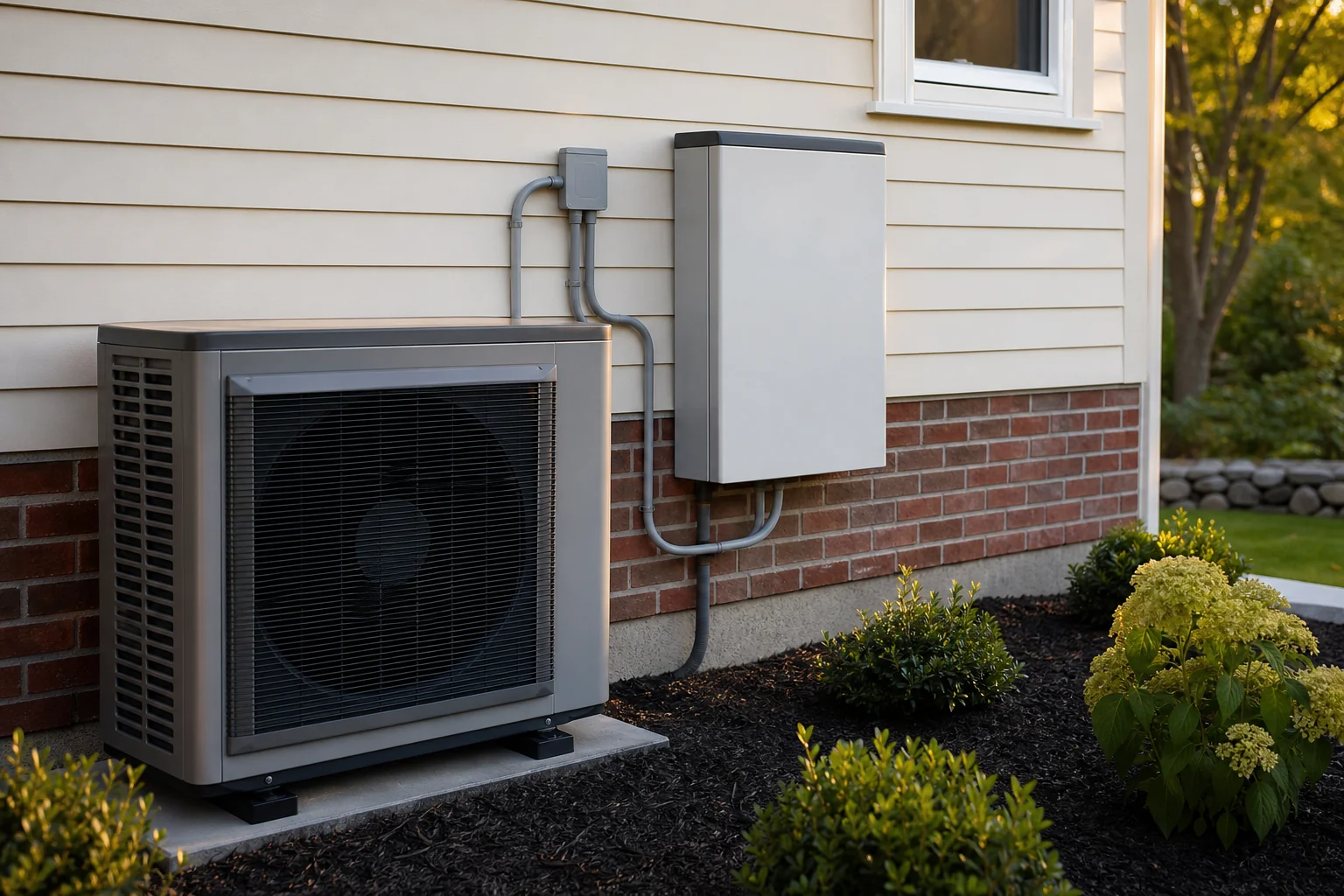
Homeowners weighing FranklinWH against other storage options should see the side-by-side breakdown in Tesla Powerwall vs FranklinWH: Which Battery Wins in 2026? before deciding which fits a heat-pump load profile.
Case Study 3: A Multi-EV Household in Providence, RI
Two EVs charging overnight, plus central air in summer, pushed this Providence family's bill above $520 a month before solar. Their roof had ample south and west-facing space, so the design called for a 14.5kW system, larger than average for a residential install in Rhode Island.
The project bundled a hardwired Level 2 EV charger with the solar install, letting both vehicles charge directly off daytime production on weekends and off banked credits on weekdays. Combined, the household's bill dropped to $60-$80 a month, with payback tracking 7-9 years depending on RI's REG incentive payments that year.
Anyone charging multiple EVs at home should read How to Install a Hardwired EV Charger at Home (2026) before assuming a standard outlet charger will keep pace with a larger solar-fed household load.
How Roof Space and Shading Change the Math
South and west-facing roof sections produce the most usable power in the region's climate. A roof with strong south exposure but limited square footage may cap out at a system smaller than the bill would justify, forcing a choice between partial offset or exploring ground-mount space if the property has it.
Shading from mature trees, dormers, or neighboring structures cuts production on affected panels by 20-40% depending on severity and time of day. Design teams route around shaded zones rather than filling every available slot, since a panel producing at 60% capacity still counts against total system output on paper but underdelivers in practice.
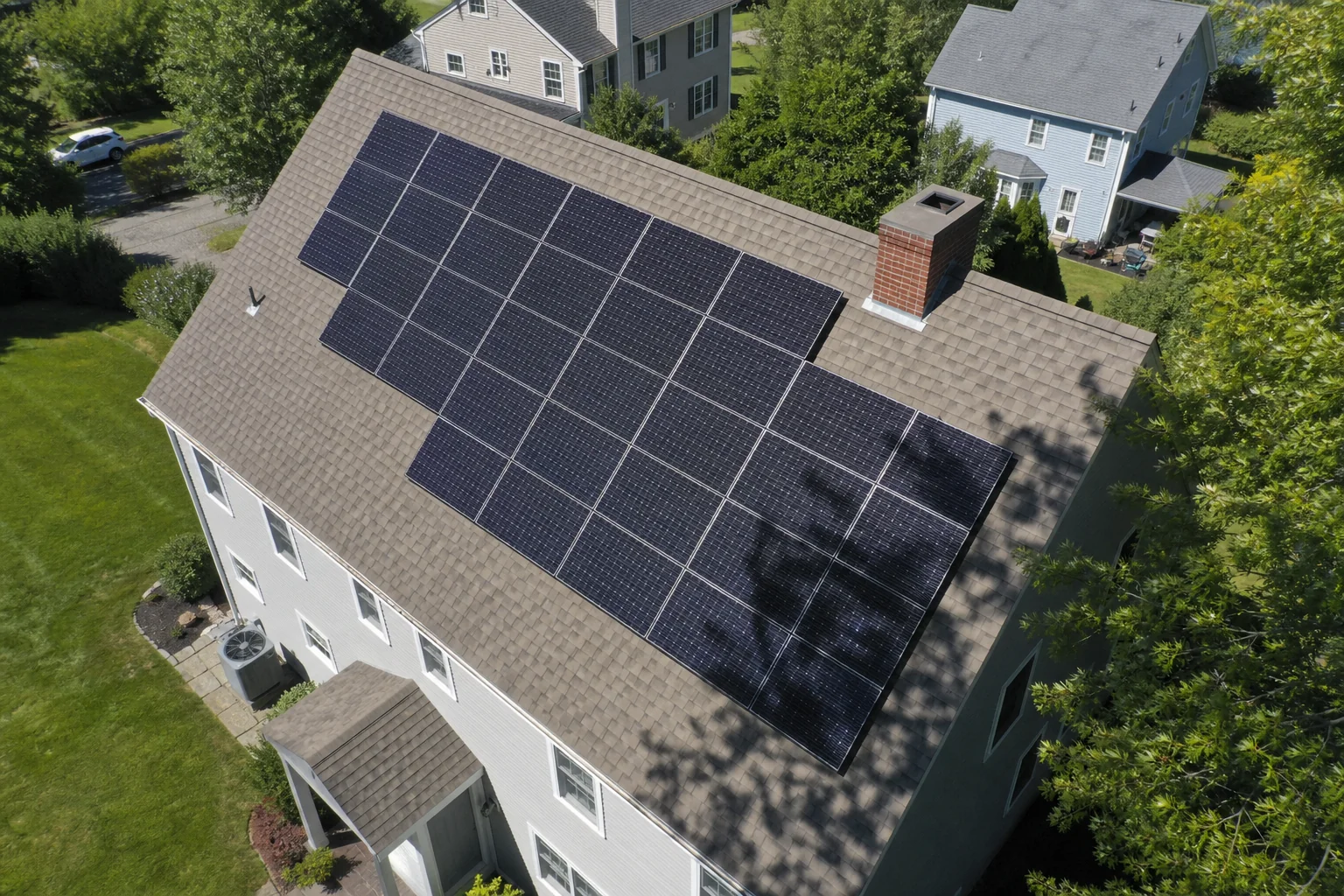
Panel wattage matters too. Higher-efficiency Tier-1 panels let a smaller roof host more capacity per square foot, which matters most for high-bill homes with limited usable roof area. Homes needing a full roof replacement before installation should plan for both projects together; see Solar Plus Roofing Bundle: What Does It Cost in 2026? for how bundling affects both cost and timeline.
Where Battery Storage Fits the Payoff Timeline
Battery storage doesn't usually shorten payback on its own. It protects savings against two specific risks: time-of-use rate structures that penalize evening grid draw, and outages that would otherwise force a return to full utility dependence. For homes already spending $400+ a month, both risks carry real dollar weight.
Peak shaving works by discharging stored solar power during the utility's highest-priced hours instead of pulling from the grid. On a typical Massachusetts time-of-use plan, that alone can trim $30-$60 a month beyond what solar production covers.
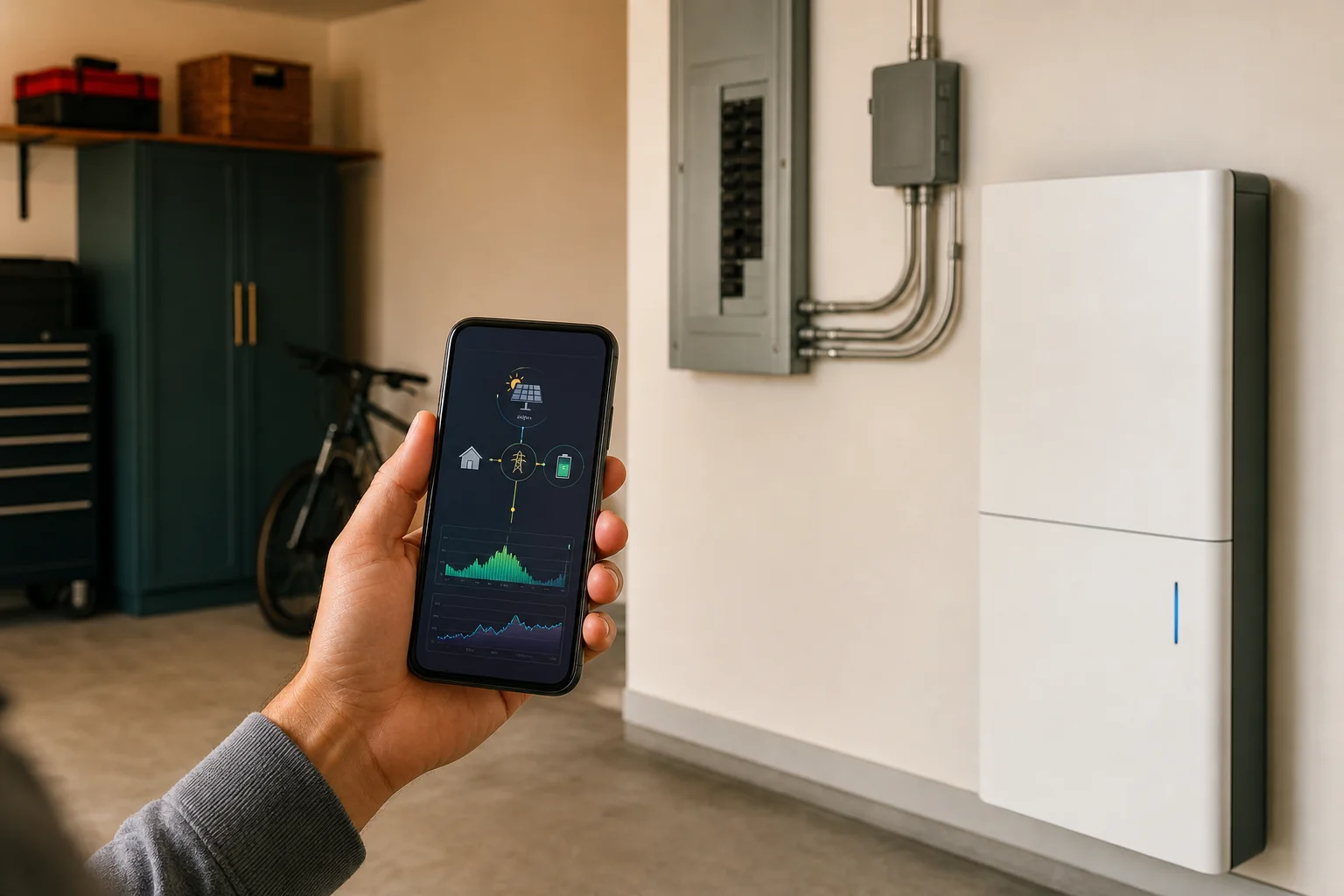
Homeowners with an existing system from another installer can add storage without touching the panels themselves. The process is covered step-by-step in How Does a Solar Battery Retrofit Work? 2026 Guide, and it's one of the more common calls Teamsun gets from owners whose original installer no longer answers the phone.
Financing and Timeline: Getting From Bill Shock to Bill Relief
Teamsun tracks every install from signed contract to power-on, and the average across Connecticut, Massachusetts, and Rhode Island projects sits at 47 days. That number reflects in-house W-2 crews handling design, permitting, and installation directly, rather than routing work through subcontractors who may prioritize other jobs. Homeowners frustrated by slow national-brand timelines can compare the process in How Long Does Solar Installation Take From Contract?.
Financing paths exist for a range of credit profiles, from cash purchase to loans to PPAs underwritten with a 620 FICO minimum. The federal tax credit paperwork intimidates a lot of homeowners unnecessarily; Teamsun walks clients through the documentation directly rather than leaving it to guesswork.
Homeowners comparing a national provider against a regional installer before signing anything should read Sunrun vs Local Solar Installer: Which Is Better in 2026?, since crew accountability and service response after install matter as much as the upfront quote.
Frequently Asked Questions
How many solar panels do I need for a high electric bill?
It depends on your 12-month usage total divided by your roof's production potential per panel, but most homes averaging $300-$500 a month land in the 20-35 panel range, roughly 8-14kW depending on panel wattage and roof exposure.
Will a battery lower my bill or just provide backup power?
Both, but the bill reduction from a battery is smaller than solar's contribution. Batteries mainly shift when you draw stored power to avoid peak utility pricing, and they preserve your solar independence during grid outages.
How fast is payback for a high-usage home?
Most high-usage homes in this region see payback between 6 and 9 years, faster than average low-usage homes because the dollar savings per month are larger relative to the system cost.
What if my roof needs shading trimmed or isn't large enough?
Design teams can work around shaded sections or recommend ground-mount alternatives if roof space falls short of what your usage requires. A site visit settles this quickly rather than guessing from satellite imagery alone.
If your monthly bill has you dreading the mail, the fix starts with real usage data, not guesswork. Request a free quote to get a system sized against your actual 12 months of billing, or talk to a designer about how roof space, battery add-ons, and financing fit your specific home. You can also browse the full range of options, including battery retrofits and EV charger bundles, on the services page, or call 203-903-4091 to start the conversation today.
Recommended Resources
Written by
Dan Katzman
Teamsun
Teamsun writes practical solar guidance to help property owners compare equipment, project scope, costs, and long-term service before making a decision.
Keep going.
Can I Add Solar Panels Without Replacing My Whole Roof?
Can I add solar panels without replacing my whole roof? Learn what inspectors check — shingle age, decking, flashing — to avoid costly mistakes.
Dan Katzman
Teamsun
Solar and Home Backup Generator: Can You Have Both?
Learn how a solar panel system with home generator setups coordinate safely, from transfer switches to automatic switchover, for CT, MA, and RI homes.
Dan Katzman
Teamsun
Can Solar Panels Work With Your Home Generator?
Learn how a solar panel system with existing home generator setups can work together, what transfer switch changes are needed, and when a battery skips the generator.
Dan Katzman
Teamsun