Battery retrofit cost for old solar system
Battery retrofit cost for old solar system owners in CT, MA & RI: real 2026 price ranges by inverter type, battery brand, and panel condition.
Dan Katzman
Teamsun
A battery retrofit on an existing solar system typically runs $10,000 to $18,000 installed for AC coupling, or $14,000 to $22,000 for DC coupling, before any incentives, according to SurgePV's 2026 retrofit cost data. The number that applies to your roof depends on your inverter type, panel age, and whether your electrical panel needs an upgrade.
Key Takeaways
- Coupling type sets the floor: AC coupling keeps your existing inverter and costs less; DC coupling swaps in a hybrid inverter and costs more.
- Panel age rarely blocks a retrofit: most systems installed in the last 15 years can accept a battery, but older strings may need a production check first.
- Electrical panel condition is the hidden cost driver: a 100-amp panel or full breaker box can add $1,500 to $3,500 to the job.
- Incentives change the math: federal and state credits can cut net cost significantly, but eligibility depends on capacity and labor requirements.
- Not every installer will touch a system they didn't sell: ask this question first, before you request quotes.
At a Glance: Battery Retrofit Cost Ranges
| Scenario | Typical Installed Cost | Timeline |
|---|---|---|
| AC-coupled single battery (10-13.5 kWh), compatible inverter | $10,000-$18,000 | 1-2 days on site |
| DC-coupled hybrid inverter swap, single battery | $14,000-$22,000 | 2-3 days on site |
| Electrical panel upgrade (100A to 200A) | +$1,500-$3,500 | Adds 1-2 weeks for permitting |
| Whole-home backup (two or more batteries) | $22,000 and up | 3-4 days on site |
| Permitting and interconnection amendment | Usually included in quote | 2-6 weeks depending on utility |
| Federal tax credit on qualifying standalone storage | Up to 30% of project cost | Claimed at tax filing |
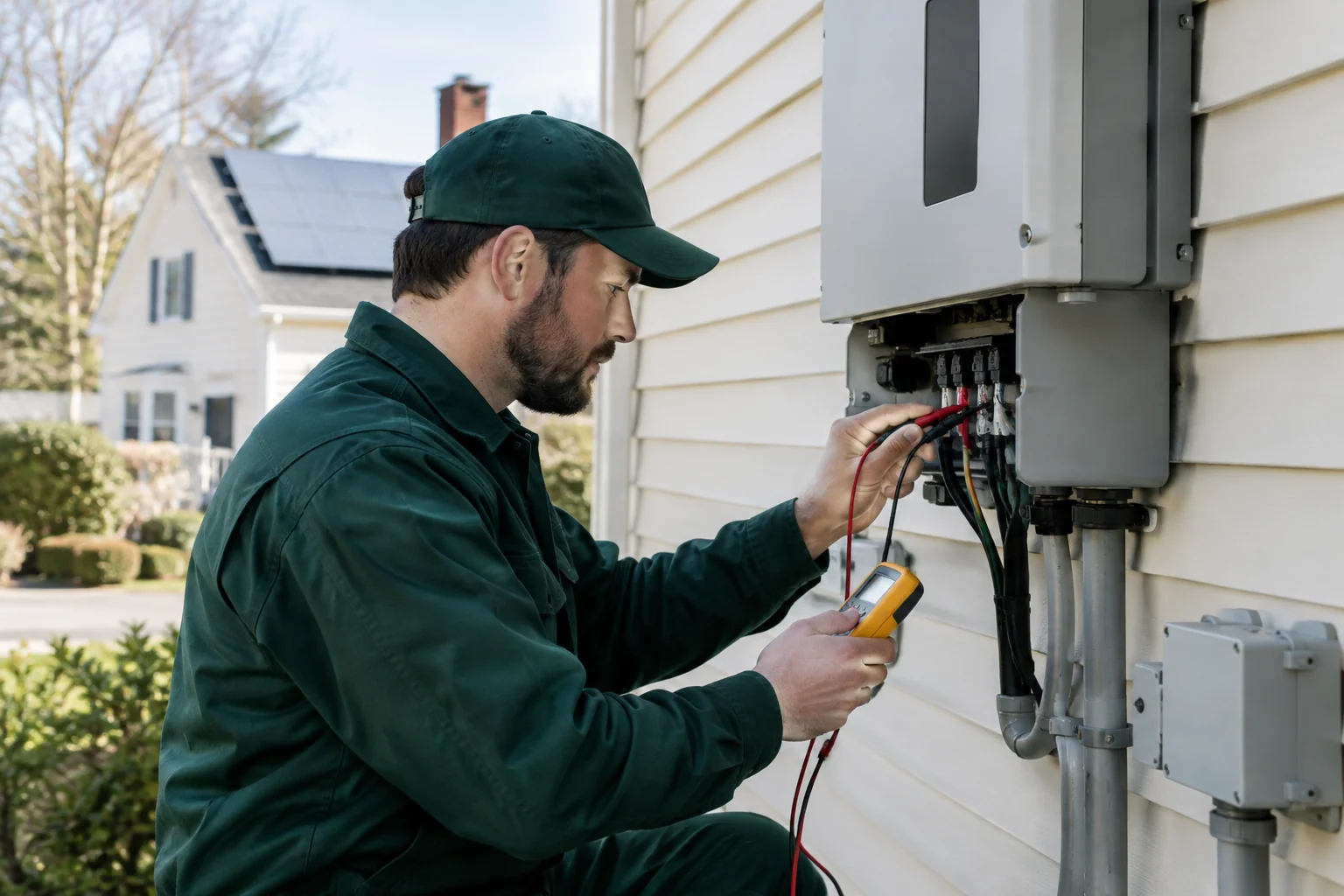
What Drives Battery Retrofit Cost for an Old Solar System
Four variables decide what you'll actually pay: how your existing inverter talks to a new battery, how many kilowatt-hours you need, what your electrical panel can handle, and which brand you choose. Skip any one of these in a quote and the number you're handed is a guess, not a bid.
The national averages quoted online are a starting point, not a quote. A 2026 LegalClarity analysis puts the national average fully installed around $15,228 for a standard 13.5 kWh system, but that figure assumes a compatible inverter and a panel with spare capacity. Change either assumption and the price moves.
1. Check Your Inverter Before You Price Anything
Your inverter type determines whether a retrofit is a bolt-on job or a swap-out job, and that single fact separates the cheap quotes from the expensive ones more than any other variable.
If you have a standard string inverter or microinverters already feeding your panels, an AC-coupled battery like an Enphase IQ Battery or a Tesla Powerwall can usually sit alongside your existing setup without touching it. WattBarn's retrofit guide lays out this as a defined, sequential project: confirm the job's purpose, size the battery, check the inverter, pick a coupling method, price it, permit it, then install.
DC coupling means replacing your current inverter with a hybrid inverter that handles both solar and battery charging on the DC side. It's more efficient on paper, but for a retrofit it means paying for hardware you already own a working version of. Most installers reserve DC coupling for systems where the existing inverter is near end-of-life anyway.
Want the mechanics spelled out in full before you call anyone? Our guide to how a solar battery retrofit actually works walks through the wiring differences in plain language.
2. Size the Battery to What You Actually Want to Run
A battery sized for backup-only power (refrigerator, well pump, a few lights) can be smaller and cheaper than one sized to shift your whole home off peak-rate electricity. Decide which job you're buying before you compare quotes, because the two jobs produce very different kWh numbers and very different prices.
- Critical-loads backup: typically 5-10 kWh covers a sub-panel of essentials during an outage.
- Partial whole-home backup: 10-13.5 kWh, the most common single-battery retrofit size.
- Full whole-home or bill-shifting: 20+ kWh, often requiring two battery units stacked together.
If you're weighing whether a battery should pair with a generator you already own instead of replacing it, our piece on solar panels working alongside a home generator covers that decision directly.
3. Budget for Electrical Panel Upgrades
Homes built or last rewired more than 20 years ago often carry a 100-amp main panel. A battery, especially one aimed at whole-home backup, usually needs headroom that an old 100-amp panel doesn't have.
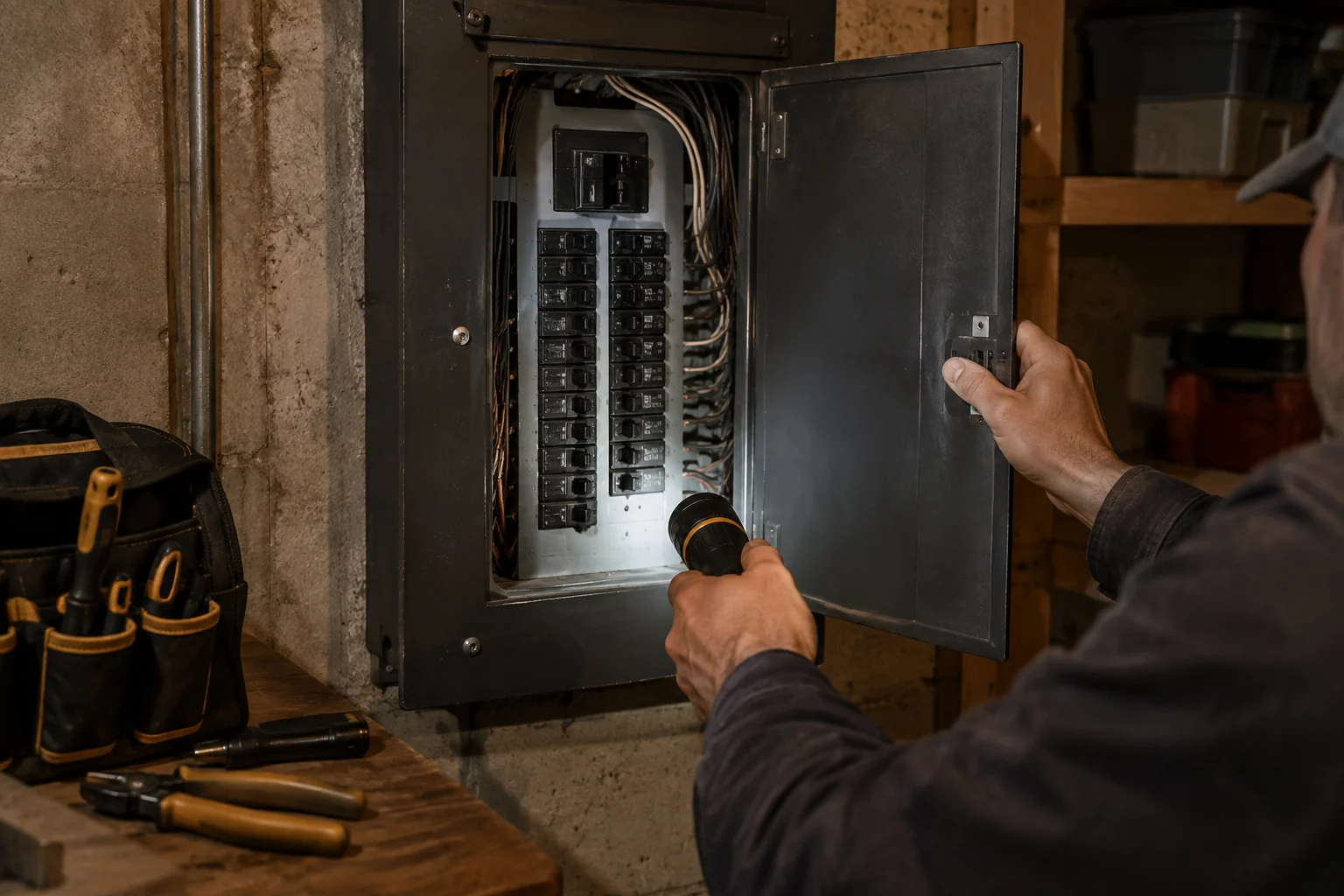
An upgrade to 200 amps, plus a dedicated backup sub-panel for critical circuits, is the single most common surprise line item on a retrofit quote. It's not a sign the installer is padding the bill. It's the difference between a battery that trips breakers under load and one that runs the house quietly during an outage.
This is also where roof and system age intersect with timing. If your roof is nearing the end of its service life, it's worth sequencing the panel upgrade, the roof work, and the battery install together rather than three separate projects. Our guide on what to do before installing solar on an old roof walks through that sequencing question.
How Panel Age Affects Retrofit Cost
Solar panels degrade slowly, typically under 1% of output per year, so a 10-year-old array is still producing most of its original capacity. The bigger cost factor isn't the panels themselves, it's whether your string inverter from that era is still supported by the manufacturer and whether its communication protocol can talk to a modern battery's management system at all.
An installer who services equipment across brands and ages, rather than only the systems they sold new, can usually confirm this in one site visit.
Tesla Powerwall vs FranklinWH vs Enphase IQ: Retrofit Price Differences
Brand choice shifts both price and what the battery is built to do. Here's how the three most common retrofit options compare on paper.
| Battery | Coupling Type | Best Fit For |
|---|---|---|
| Tesla Powerwall | Powerwall 3 includes an integrated solar inverter; earlier versions pair AC or DC depending on install | Homeowners wanting whole-home backup with app-based monitoring |
| FranklinWH | AC-coupled, integrates solar, grid, generator, and EV inputs into one system | Homes wanting a single unit to manage multiple power sources at once |
| Enphase IQ Battery | AC-coupled, built-in grid-forming microinverters per unit (IQ Battery 3 rated at 3.36 kWh usable) | Homes already running Enphase microinverters, for the simplest retrofit path |
For a side-by-side on performance and New England-specific durability, our comparison of pairing solar panels with battery backup goes deeper on how each brand handles winter load and outage duration.
A Worked Example: Retrofitting a 7-Year-Old System
Consider a hypothetical Connecticut homeowner with a 7-year-old, 7 kW string-inverter solar system and a 150-amp panel. The homeowner wants backup for the refrigerator, well pump, and a few circuits during storm outages, not full whole-home coverage.
An AC-coupled single battery sized around 10-13.5 kWh fits that goal without replacing the existing inverter, landing near the lower half of the $10,000 to $18,000 AC-coupled range reported for 2026. Because the panel already has spare capacity, no panel upgrade is needed, which keeps this hypothetical project toward the lower end.
4. Factor in Incentives That Lower the Net Cost
Standalone battery retrofits can qualify for the federal Section 48E investment tax credit. National Tax Group's 2026 guidance states the base credit is 6% of qualified investment, rising to 30% when prevailing wage and apprenticeship requirements are met, for storage placed in service after December 31, 2024.
That's a meaningfully different number than the flat 30% some marketing pages still quote, so ask your installer which tier your project actually qualifies for before you build a budget around it. Paperwork mistakes here are common enough that we wrote a full walkthrough: Solar Tax Credit & Rebate Paperwork: 2026 Guide.
State-level rebates in Connecticut, Massachusetts, and Rhode Island add another layer on top of the federal credit, and they change often enough that a current quote from a local installer is more reliable than any article's snapshot.
5. Get Quotes From an Installer Who Services Any Brand
Many solar companies will only retrofit batteries onto systems they originally installed. That's a real problem if your original installer went out of business, subcontracted the original job, or simply doesn't want the liability of a system they didn't design.
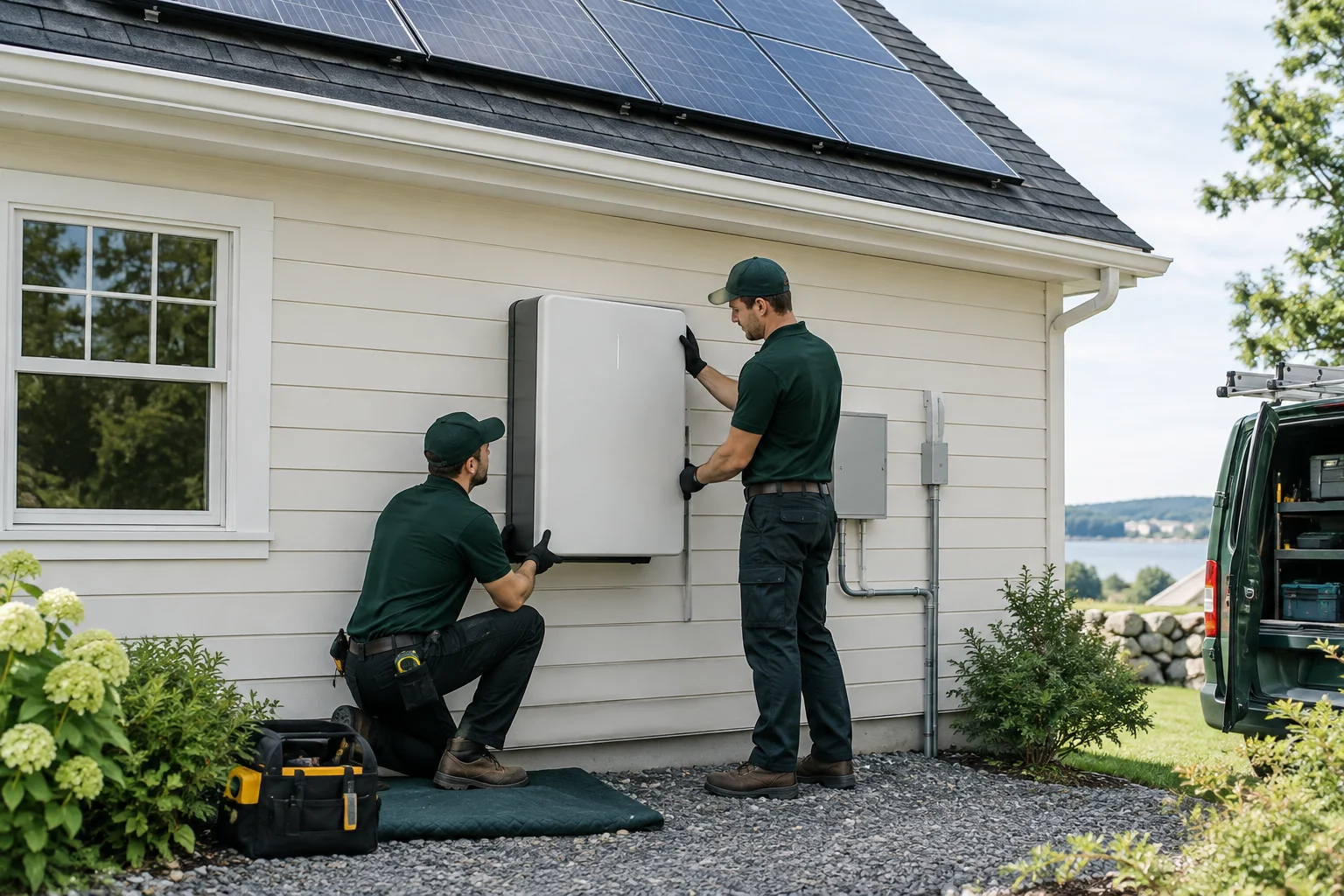
Teamsun retrofits batteries onto systems of any brand and any age, using in-house W-2 crews rather than subcontractors, across Connecticut, Massachusetts, and Rhode Island. That matters for accountability: the crew that shows up to size your panel upgrade is the same crew that comes back if something needs adjusting six months later.
If you're not sure whether your current setup is even a good candidate, our breakdown of when to upgrade an older solar system is a useful first stop before you request quotes.
FAQ: Battery Retrofit Cost for Old Solar Systems
Can any solar system get a battery retrofit?
Nearly every existing residential solar system can accept a battery retrofit, regardless of age or original brand, as long as the inverter is still functional or gets replaced as part of the job. The main exceptions are systems with severely outdated or discontinued inverters that no battery management system can communicate with.
Does a retrofit cost more than installing solar and a battery together?
Yes, typically. Pairing a battery with a new solar installation lets the installer size the inverter and wiring for both from day one, avoiding the extra labor of adapting an existing setup. A retrofit adds the cost of integration work that a new build never incurs.
How long does a battery retrofit take from quote to power-on?
Physical installation usually takes one to four days depending on coupling type and whether a panel upgrade is needed. Add two to six weeks for permitting and utility interconnection approval, similar to the timeline covered in our guide on how long solar installation takes from contract.
Will a battery retrofit void my existing solar warranty?
It shouldn't, if the work is done by a licensed installer following manufacturer specifications, but always ask your installer to confirm in writing before work begins. This is one of several questions worth asking any installer before signing; see our list of 15 questions to ask a solar installer before you sign.
Battery retrofit cost for an old solar system isn't a single number; it's a range that narrows fast once an installer actually looks at your inverter, panel, and goals. The fastest way to turn a national estimate into a real figure is a site visit from a crew that works on any brand, not just the ones they sold.
If you're ready to find out what your specific retrofit will cost, request a free quote and Teamsun will assess your inverter, panel, and backup goals directly. You can also talk to a designer about sizing the right battery for your home, explore the full range of solar and battery services Teamsun offers across New England, or call 203-903-4091 to get a straight answer on your specific system.
Recommended Resources
Written by
Dan Katzman
Teamsun
Teamsun writes practical solar guidance to help property owners compare equipment, project scope, costs, and long-term service before making a decision.
Keep going.
Solar System Not Working? Find a Repair Company for Any
Solar not producing power? Learn how to find a solar company that services any brand, plus what Teamsun checks before repairing or upgrading your system.
Dan Katzman
Teamsun
Solar panels for Florida hurricane season durability
Solar panels for Florida hurricane season durability explained: wind ratings, racking, UL/IEC certs, and what actually fails when hurricanes hit.
Dan Katzman
Teamsun
Why is my solar quote so different from my neighbors
Why is my solar quote so different from my neighbors? Compare kW, equipment, crew type, and financing to spot what's really driving the price gap.
Dan Katzman
Teamsun